A heavy-duty camping tent for winter should match your conditions and camping style: a hot tent with a stove jack suits extended cold-weather stays, while a compact four-season dome is easier to carry. I rank the OneTigris Raven NEST as the best overall for its balance of hot-tent capability and practical shelter design. The Clostnature 2-Person is a more packable choice for backpackers, while the Naturehike Ranch Fire Teepee gives groups room to camp around a stove. The main tradeoff is between carrying weight and interior space, with stove compatibility adding setup and safety demands. Read on for how all eight options compare and which type of winter camper each one suits.

Get kitchen gear delivered free with Prime
- Fast, free delivery on millions of items
- Prime Video, Amazon Music and more included
- Member-only deals all year
Complete the kit
Key Takeaways
- Hot-tent designs dominate the roomy end of this lineup: the Raven NEST, Ranch Fire Teepee, bell tent, inflatable tent, and Dune offer stove-jack setups, but a jack alone does not supply a stove or remove the need for safe ventilation.
- Backpacking and group comfort pull in different directions: the Clostnature, BISINNA, and Stella are two-person shelters, while the teepee, bell, and inflatable designs prioritize shared floor space over a compact carry.
- The Raven NEST is the most balanced starting point: it combines a four-season hot-tent format with a more moderate group scale than the large-capacity shelters.
- Capacity claims need a winter-specific reality check: sleeping bags, cold-weather clothing, and gear take up space, so a tent rated for several people may feel much smaller when everyone is inside during a storm.
- Stove compatibility changes the whole camping routine: stove-ready models can support warmth and cooking, but backpackers who want simpler shelter setup may prefer a conventional dome such as the Clostnature or BISINNA.
| OneTigris Raven NEST 4-Season Hot Tent with Stove Jack |  | Best for a Spacious Two-Person Hot-Tent Base | Capacity: 2 persons | Type: 4-season tunnel tent | Dimensions: 14 ft × 8.4 ft × 4.8 ft | VIEW ON AMAZON | See Our Full Breakdown |
| Clostnature 4-Season Backpacking Tent for 2 People |  | Best for Quick Freestanding Setup | Occupancy: 2 people | Interior dimensions: 7 ft 3 in × 4 ft 11 in × 3 ft 10 in | Weight: 6.28 lb (2.85 kg) | VIEW ON AMAZON | See Our Full Breakdown |
| BISINNA 4-Season 2-Person Backpacking Tent |  | Best for Ventilation and Snow-Skirt Versatility | Occupancy: 2 people | Dimensions: 82.6 × 59 × 43.3 in | Weight: 6.4 lb (2.9 kg) | VIEW ON AMAZON | See Our Full Breakdown |
| OneTigris Stella 4-Season Camping Tent – Waterproof Lightweight Backpacking Dome | 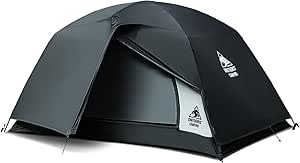 | Best Lightweight Backpacking Pick | Occupancy: 2 people | Weight: 4.4 lb (2 kg) | Floor area: 28.29 sq ft | VIEW ON AMAZON | See Our Full Breakdown |
| Naturehike Ranch Fire Teepee Hot Tent with Stove Jack – 4-6 Person, Waterproof, 4-Season |  | Best Group Hot Tent | Occupancy: 4–6 people | Dimensions: 157.5 × 98.4 × 157.5 in | Weight: 11.9 lb | VIEW ON AMAZON | See Our Full Breakdown |
| Bell Tent with Stove Jack, 6-10 Person 4-Season Glamping Tent |  | Best for Large Winter Groups | Occupancy: Up to 10 people | Water resistance: 3000 mm PU coating | Fabric: 400D Oxford polyester with polyurethane coating | VIEW ON AMAZON | See Our Full Breakdown |
| 4–6 Person Inflatable 4-Season Camping Tent with Stove Jack and Removable Awning |  | Best for Fast Family Setup | Capacity: Listed as 4–6 people | Dimensions: 118 × 87 × 79 in | Weight: 27.1 lb | VIEW ON AMAZON | See Our Full Breakdown |
| Naturehike Dune 4-Season Hot Tent with Stove Jack |  | Best Compact Stove-Compatible Shelter | Occupancy: 2 people | Fly water resistance: 3000 mm | Floor water resistance: 4000 mm | VIEW ON AMAZON | See Our Full Breakdown |
| heavy duty camping tent winter | Weight | Occupancy | Dimensions | Fabric |
|---|---|---|---|---|
| OneTigris Raven NEST 4-Season | 4.2 kg | — | 14 ft × 8.4 ft × 4.8 ft | 70D silicone- and PU-coated nylon |
| Clostnature 4-Season Backpacki | 6.28 lb (2.85 kg) | 2 people | — | — |
| BISINNA 4-Season 2-Person Back | 6.4 lb (2.9 kg) | 2 people | 82.6 × 59 × 43.3 in | 210T polyester |
| OneTigris Stella 4-Season Camp | 4.4 lb (2 kg) | 2 people | — | — |
| Naturehike Ranch Fire Teepee H | 11.9 lb | 4–6 people | 157.5 × 98.4 × 157.5 in | 68D 210T polyester flame-retardant cloth |
| Bell Tent with Stove Jack | 49.8 lb | Up to 10 people | — | 400D Oxford polyester with polyurethane coating |
| 4–6 Person Inflatable 4-Season | 27.1 lb | — | 118 × 87 × 79 in | — |
| Naturehike Dune 4-Season Hot T | 16.5 lb (7.5 kg) | 2 people | — | — |
More Details on Our Top Picks
OneTigris Raven NEST 4-Season Hot Tent with Stove Jack
The Raven NEST is the roomiest choice here for two campers who want more than a sleeping shell: its tunnel layout separates sleeping zones from a central living area, leaving space for furniture and camp routines. The integrated stove jack makes it a stronger fit for stove-based winter camping than the Clostnature or BISINNA, which focus on conventional backpacking shelter rather than an interior heating setup. Its 70D coated nylon, taped seams, and reinforced frame support weather protection, while two doors and windows add access and ventilation. The tradeoff is weight: at 4.2 kg, it is a poor match for long carries compared with the lighter OneTigris Stella. A compatible wood stove is also not included, so buyers need to plan for that separately.
Pros:- Separate sleeping zones and central living area provide more usable space than compact two-person domes.
- Integrated stove jack supports use with a compatible wood stove.
- 70D coated nylon, taped seams, and 3000 mm waterproof rating support wet-weather protection.
- Reinforced frame, tie-out points, two doors, and two windows add practical weather and ventilation features.
Cons:- At 4.2 kg, it is heavier to carry than the OneTigris Stella and other compact backpacking tents.
- Wood stove and compatible accessories may need to be purchased separately.
- The spacious tunnel footprint is less suited to small campsites than compact dome tents.
Best for: Two campers who want a winter base camp with separate sleeping space, room to sit, and the option to use a compatible wood stove.
Not ideal for: Backpackers prioritizing low carry weight or buyers seeking a ready-to-heat package that includes a stove.
- Capacity:2 persons
- Type:4-season tunnel tent
- Dimensions:14 ft × 8.4 ft × 4.8 ft
- Weight:4.2 kg
- Fabric:70D silicone- and PU-coated nylon
- Frame:Aluminum
- Doors and windows:2 doors; 2 windows
Our verdict“Choose the Raven NEST for a roomy, stove-ready two-person winter base camp, not for weight-conscious backpacking.”
Clostnature 4-Season Backpacking Tent for 2 People
The Clostnature suits winter backpackers who want a conventional freestanding tent with two doors and vestibules, rather than the stove-centered living space of the OneTigris Raven NEST. Its snow flaps, factory-sealed seams, and two aluminum poles make it a practical cold-weather shelter, while the vestibules keep some gear outside the sleeping area. The listed three-minute setup and freestanding design are useful when site conditions make staking awkward, though the supplied data does not establish how it performs in severe winter storms. Waterproofing claims also conflict: the description states PU 5000, while the specs list 1500 mm, so I would not treat the higher figure as settled. At 2.85 kg, it is lighter than the Raven NEST but heavier than the OneTigris Stella.
Pros:- Freestanding design and two-pole setup offer a practical pitch on varied campsites.
- Two doors and two vestibules provide separate access and sheltered gear storage.
- Snow flaps and factory-sealed seams are useful cold-weather details.
- Packed size of 16.5 × 5.9 × 5.9 inches is suited to backpacking loads.
Cons:- The stated waterproofing conflicts between PU 5000 in the description and 1500 mm in the specs.
- At 2.85 kg, it is heavier than the OneTigris Stella for weight-focused trips.
- It has no stove jack or dedicated heated living area like the Raven NEST.
Best for: Two-person backpackers who want a freestanding cold-weather tent with separate gear vestibules and straightforward pitching.
Not ideal for: Campers who need a stove jack, a roomy winter living area, or a clearly consistent waterproofing specification.
- Occupancy:2 people
- Interior dimensions:7 ft 3 in × 4 ft 11 in × 3 ft 10 in
- Weight:6.28 lb (2.85 kg)
- Minimum trail weight:5.33 lb (2.42 kg)
- Packed size:16.5 × 5.9 × 5.9 in
- Material:Polyester with PU coating
- Doors and vestibules:2 doors; 2 vestibules
- Poles and stakes:2 aluminum poles; 14 aluminum stakes
- Setup:Freestanding; listed assembly time is 3 minutes
Our verdict“Pick the Clostnature for a freestanding two-person shelter with vestibules, provided its conflicting waterproofing figures do not rule it out.”
BISINNA 4-Season 2-Person Backpacking Tent
The BISINNA is a straightforward double-layer option for two people who want a freestanding four-season tent with useful ventilation controls. Its rollable snow skirt, two doors, and two windows make it more adaptable to changing weather than the single-door OneTigris Stella, while its 2.9 kg weight sits close to the Clostnature. The 210T polyester shell with PU 3000 mm coating gives it a stated waterproof rating that is clearer than the Clostnature’s conflicting figures. Still, the interior measures only 82.6 × 59 inches, so two campers with winter bags and bulky layers may find gear space tight. Unlike the Raven NEST or Naturehike Ranch Fire, it has no stove jack or separate heated living zone; its appeal is a conventional shelter, not a hot-tent setup.
Pros:- Rollable snow skirt can be adjusted for cold-weather conditions.
- Two doors and two windows give campers multiple access and ventilation options.
- PU 3000 mm coating and double-layer construction support wet-weather use.
- Freestanding design and aluminum poles simplify pitching.
Cons:- At 2.9 kg, it is not the lightest option in this group.
- Two-person interior can feel tight when winter gear is stored inside.
- No stove jack or dedicated living area for stove-based camping.
Best for: Two-person campers seeking a freestanding shelter with a snow skirt, multiple ventilation openings, and a stated 3000 mm coating.
Not ideal for: Winter pairs who need room for bulky gear inside or want to heat the tent with a compatible stove.
- Occupancy:2 people
- Dimensions:82.6 × 59 × 43.3 in
- Weight:6.4 lb (2.9 kg)
- Packed size:18 × 7 × 7 in
- Fabric:210T polyester
- Waterproof coating:PU 3000 mm
- Poles:2 aluminum alloy poles
- Doors and windows:2 doors; 2 windows
Our verdict“Choose the BISINNA for a conventional two-person winter tent with flexible ventilation, but skip it if you need generous gear space or a stove setup.”
OneTigris Stella 4-Season Camping Tent – Waterproof Lightweight Backpacking Dome
At 4.4 lb (2 kg), the OneTigris Stella is the clearest choice here for campers who must carry their shelter over distance. Its compact dome and cross-pole setup prioritize a manageable pack and uncomplicated pitching, unlike the larger Raven NEST, which trades portability for a central living area and stove jack. The Stella’s 20D silicone-coated nylon shell has a stated 3000 mm waterproof rating, and the mesh inner tent supports airflow. That ventilation is useful across changing conditions, but it also means this is not a hot tent and offers no stove jack for heating. Its 28.29-square-foot floor and single door are less flexible for two people with winter gear than the Clostnature’s two-door, two-vestibule layout. The low weight comes with limited room and modest headroom.
Pros:- At 2 kg, it is the lightest listed tent in this batch.
- 3000 mm-rated silicone-coated nylon shell provides stated rain and snow protection.
- Cross-pole design and included stakes and guylines support a simple setup.
- Mesh inner tent allows airflow.
Cons:- Single door gives less access flexibility than the Clostnature or BISINNA.
- 28.29-square-foot floor and modest dome height limit room for two campers and winter gear.
- No stove jack or separate living area for heated camp use.
Best for: Backpackers who need a light two-person four-season tent and are willing to keep winter gear compact.
Not ideal for: Groups wanting a heated base camp, multiple doors, a spacious interior, or ample standing room.
- Occupancy:2 people
- Weight:4.4 lb (2 kg)
- Floor area:28.29 sq ft
- Setup dimensions:6.9 ft × 4.1 ft × 3.7 ft
- Outer material:20D nylon with silicone coating
- Floor material:40D nylon
- Poles and stakes:4 7001 aluminum poles; 10 stakes
- Doors:1
Our verdict“Choose the Stella when low carry weight matters most; choose the Raven NEST or Naturehike Ranch Fire for a stove-heated winter base camp.”
Naturehike Ranch Fire Teepee Hot Tent with Stove Jack – 4-6 Person, Waterproof, 4-Season
The Naturehike Ranch Fire is the group-sized hot tent in this selection: its listed 4–6-person capacity and octagonal footprint give it a different job from the two-person backpacking shelters. A built-in stove jack, fire-retardant fabric, and snow skirt make it the more natural choice than the BISINNA or Clostnature for a shared cold-weather base camp where campers want stove heat. The 3000 mm water-resistance rating and aluminum-alloy poles add weather and structure details, while two doors and two windows help with access and ventilation. Its 11.9 lb weight is substantial beside the Stella, and the multiple supplied parts may take more time to organize and pitch than a compact dome. Buyers should also plan carefully around safe stove use and compatible equipment.
Pros:- Listed 4–6-person capacity offers substantially more group space than the two-person tents.
- Built-in stove jack and fire-retardant fabric suit stove-based cold-weather camping.
- Snow skirt and 3000 mm water-resistance rating add useful winter-weather features.
- Two doors, two windows, and aluminum-alloy poles support access, ventilation, and structure.
Cons:- At 11.9 lb, it is much heavier to carry than the Stella or two-person backpacking tents.
- Multiple poles, pegs, ropes, and other components can make setup more involved for first-time users.
- Large footprint is less suited to tight campsites or trips that require frequent relocation.
Best for: Groups of four to six campers setting up a winter base camp who want a stove jack, snow skirt, and shared interior space.
Not ideal for: Solo backpackers, small campsites, or buyers seeking a minimal-component shelter for fast, frequent moves.
- Occupancy:4–6 people
- Dimensions:157.5 × 98.4 × 157.5 in
- Weight:11.9 lb
- Fabric:68D 210T polyester flame-retardant cloth
- Pole material:Aluminum alloy
- Doors and windows:2 doors; 2 windows
- Included pegs:19
Our verdict“Choose the Ranch Fire for a group winter base camp with stove heating, not for lightweight travel or quick overnight stops.”
Bell Tent with Stove Jack, 6-10 Person 4-Season Glamping Tent
For a winter base camp shared by a family or group, this 16.4-foot octagonal interior offers far more room than the two-person Naturehike Dune. Its stove jack supports a wood-stove setup, while the waterproof 400D Oxford fabric and 3000 mm coating are aimed at wet, cold-weather use. Eight doors and eight windows create plenty of ventilation options, useful when managing condensation in a crowded tent. The tradeoff is scale: at 49.8 pounds, this is a vehicle-camping shelter, not a tent to carry far from the car, and its broad footprint can rule out tight campsites. The many openings also call for careful management in severe weather. I’d rank it ahead of smaller shelters for group space, but not for portability.
Pros:- Large interior can accommodate up to 10 people or two king-size air mattresses.
- Stove jack adds a heating option for cold-weather camping.
- Waterproof 3000 mm coating and 400D Oxford fabric suit wet conditions.
- Eight doors and eight windows offer flexible ventilation.
Cons:- At 49.8 pounds, it is difficult to carry beyond short distances from a vehicle.
- The 16.4-foot footprint needs a large, open campsite.
- Numerous doors and windows require attention to ventilation and weather protection.
Best for: Families or groups arriving by vehicle who want room for several sleepers and a stove-compatible winter base camp.
Not ideal for: Backpackers, solo campers, or anyone with a small campsite; its nearly 50-pound weight and 16.4-foot footprint are substantial.
- Occupancy:Up to 10 people
- Water resistance:3000 mm PU coating
- Fabric:400D Oxford polyester with polyurethane coating
- Floor width:16.4 ft
- Maximum height:9.2 ft
- Doors and windows:8 doors and 8 windows
- Stove jack:Compatible
- Weight:49.8 lb
Our verdict“Choose this bell tent for a spacious, stove-compatible group camp when vehicle access and a large pitch matter more than low weight.”
4–6 Person Inflatable 4-Season Camping Tent with Stove Jack and Removable Awning
This inflatable tent is the setup-focused choice among these larger winter shelters: the included manual pump is said to inflate it in about five minutes, avoiding the usual pole assembly. Its stove jack, 3000 mm waterproof rating, and removable 12 × 10-foot awning make it more versatile for family camps than the compact Naturehike Dune, though the Dune gives clearer two-person dimensions and a lighter listed weight. Ventilation comes from six mesh windows, a skylight, roof vents, and two doors, giving campers several ways to manage airflow around a stove. The tradeoff is reliance on inflation equipment and a capacity description that varies between the title and product details. I’d favor it for quick vehicle-based setup, not for buyers who want a conventional pole tent or unambiguous capacity information.
Pros:- Manual-pump inflatable design is listed for setup in about five minutes.
- Removable 12 × 10-foot awning adds covered outdoor space.
- Heat-resistant stove jack supports a stove setup for cold-weather camping.
- Multiple mesh openings and roof vents provide ventilation options.
Cons:- Manual inflation is required, adding a task and equipment dependence at camp.
- Capacity is described as 4–6 people, leaving the intended occupancy unclear.
- At 27.1 pounds, it is better suited to vehicle camping than carrying long distances.
Best for: Vehicle-camping families who prioritize quick setup, a stove jack, and a separate covered area for cooking or relaxing.
Not ideal for: Backpackers or buyers who prefer pole-supported tents; it weighs 27.1 pounds, requires manual inflation, and its stated capacity is inconsistent.
- Capacity:Listed as 4–6 people
- Dimensions:118 × 87 × 79 in
- Weight:27.1 lb
- Packed dimensions:24 × 13.8 × 18.9 in
- Awning:Removable, 12 × 10 ft
- Water resistance:3000 mm
- Setup time:Approximately 5 minutes with manual pump
- Ventilation:6 mesh windows, 1 skylight, 2 top vents, 2 doors
- Inflation pressure:6–8 PSI
Our verdict“Pick this inflatable model for a fast-setup family base camp with an awning, provided you accept manual inflation and the unclear capacity listing.”
Naturehike Dune 4-Season Hot Tent with Stove Jack
The Naturehike Dune is the most compact stove-compatible option in this group, with a 16.5-pound packed weight that is much easier to manage than the 49.8-pound bell tent. Its double-layer design pairs a removable inner tent with a vestibule, while a snow skirt and stove jack make it better suited to winter use than a basic lightweight dome. The inner sleeping area is sized for two, so this is a focused shelter rather than a communal base camp; the bell tent is the clear choice when group space comes first. Four doors and mesh panels allow airflow, and the fly can serve separately as a shelter. At 16.5 pounds, it still asks more of backpackers than a dedicated ultralight tent, and setup is listed at 15 minutes.
Pros:- Stove jack and snow skirt are suited to cold-weather camping.
- Removable inner tent and vestibule allow flexible use of the interior.
- Four doors and mesh ventilation panels provide multiple airflow paths.
- Fly can be used separately as a shelter.
Cons:- Inner tent is sized for only two people, unlike the larger group bell tent.
- At 16.5 pounds, it is heavy for backpacking.
- Listed assembly time is 15 minutes, slower than the inflatable tent’s stated setup.
Best for: Two-person campers who want a stove-compatible four-season shelter with a vestibule and a removable inner tent.
Not ideal for: Large groups or weight-conscious backpackers; its inner tent is limited to two people and the 16.5-pound weight is substantial for carrying.
- Occupancy:2 people
- Fly water resistance:3000 mm
- Floor water resistance:4000 mm
- Inner tent dimensions:86.6 × 59 × 63 in
- Outer tent dimensions:126 × 94.5 × 70.8 in
- Weight:16.5 lb (7.5 kg)
- Stove jack and snow skirt:Stove jack included; snow skirt included
- Packed size:24.8 × 11.8 × 8.6 in
Our verdict“Choose the Dune for a two-person winter camp that needs a stove jack and flexible shelter layout without the bell tent’s group-sized footprint.”

How We Picked
I ranked these tents around the demands of cold-weather shelter, not general camping versatility. The comparison prioritizes season suitability, usable room for the stated capacity, portability, setup demands, weather protection, and whether a stove jack makes sense for the intended style of trip. I also distinguish between compact backpacking domes and larger hot tents, since they solve different winter problems and should not be judged by the same space-to-weight expectations.
The Raven NEST ranks first for its balance of hot-tent utility and manageable scale. The Clostnature follows for campers who value a two-person backpacking format more than stove heating; the BISINNA and Stella fill similar compact-shelter roles with different positioning in this lineup. Larger stove-ready tents rank lower for general use because their room comes with bulk, more involved pitching, or a narrower use case. Product descriptions alone do not establish storm performance, so buyers should verify current specifications, included components, and manufacturer guidance before relying on any model in severe winter conditions.
Factors to Consider When Choosing Heavy Duty Camping Tent Winter
Choosing a winter tent starts with the trip, not the product label. These options range from small backpacking domes to spacious stove-ready shelters, and the right choice depends on how far you carry it, how many people sleep inside, and whether you plan to use a stove.
Match the Shelter Style to Your Winter Trip
A four-season dome and a hot tent serve different routines, even when both are described as winter-ready. A dome like the Clostnature or BISINNA is aimed at compact shelter use, while a stove-jack tent is built around a larger living area and a heating setup. Before buying, decide whether you need a place to sleep and wait out weather or a shelter where you expect to spend long hours. A stove can add warmth, but it also adds fuel, equipment, setup steps, and fire-management responsibilities. Choosing a hot tent solely because it has a stove jack can leave you carrying features you will not use.
Plan for Real Winter Occupancy, Not the Capacity Label
Cold-weather occupants bring bulky sleeping bags, insulated pads, boots, and extra layers, so rated capacity may not reflect comfortable winter use. A tent that fits two sleepers in mild conditions may have little room left for winter gear or a dog. For longer stays, prioritize space to sit, change layers, and keep essential items accessible rather than simply counting sleeping spots. Larger models such as the Ranch Fire Teepee and bell tent offer a different kind of comfort, but their floor area is useful only if you can transport and pitch them. Leave room for ventilation and safe separation from any heating equipment rather than packing the interior to its limit.
Treat Stove Compatibility as a Safety System
A stove jack is an opening designed for a stovepipe; it is not proof that every stove or pipe arrangement will work safely with the tent. Confirm the jack dimensions, suitable stove placement, required clearances, and the manufacturer’s guidance before pairing equipment. Use a stove only in a shelter designed for that purpose, and follow the stove maker’s instructions for ventilation, sparks, and carbon-monoxide precautions. Never assume a tent fabric is fireproof because it is marketed for hot-tent use. If you do not want to manage those checks and chores at camp, a stove-free backpacking tent is the simpler choice.
Balance Carry Weight Against Living Space
A tent that is comfortable at a vehicle-accessible site can be a poor backpacking choice once its packed size, poles, stakes, and stove gear are added to the load. Compact two-person options such as the Clostnature and Stella better fit trips where every carried item matters, while large shelters trade portability for room. Check the complete packed weight and dimensions, not only the tent body’s listed weight. Also account for the carrying weight of a stove and fuel if you plan to heat a hot tent. For car camping, extra room may be worth the bulk; for a long approach, simpler and lighter equipment often matters more than a spacious interior.
Check Weather Protection and Site Requirements
Winter suitability depends on more than a four-season label: pitch design, stake points, fabric, ventilation, and the ability to anchor the shelter all affect how it handles exposure. Ask how the tent will be secured on the ground you expect, since snow, frozen soil, and wind can call for different anchoring methods. A spacious teepee or bell style may need a suitable open site and careful tensioning, while a dome can fit tighter locations but offers less living room. Keep ventilation in the plan, since closing every opening to block drafts can increase condensation. For remote or severe conditions, check the maker’s limits and do not treat any listed season rating as a guarantee of storm safety.
Frequently Asked Questions
Can I use a stove in any tent that has a stove jack?
No. A stove jack indicates a planned stovepipe opening, but safe use depends on the tent’s design, compatible stove and pipe sizes, clearances, ventilation, and the manufacturer’s instructions. Check whether the tent includes the stove or only the jack, since these listings describe different equipment needs. Keep combustible gear away from the stove and follow carbon-monoxide precautions. If you cannot confirm safe compatibility, use the tent without a stove or choose a shelter designed for your heating setup.
Should I choose a hot tent or a four-season backpacking dome?
Choose based on how you travel and spend time at camp. A hot tent is more appealing for stationary trips where you can carry a stove and want a larger space for extended stays. A backpacking dome, such as the Clostnature or BISINNA, is a better fit when a compact carry and simpler setup matter more than stove heating. The stove-ready designs in this lineup are not interchangeable with lightweight backpacking shelters. Consider the full load, including stove, pipe, fuel, and winter sleeping gear, before deciding.
Is a tent rated for four to six people large enough for a winter group?
It may fit that many people for sleeping under the conditions used to describe capacity, but winter gear makes the interior feel tighter. Bulky bags, insulated pads, boots, and spare layers take up space that may be unused in fair-weather camping. For a group expecting to spend time inside during poor weather, compare floor dimensions and usable standing or sitting room, not just the capacity label. Also check whether the sleeping layout leaves appropriate space around a stove. When comfort matters, planning fewer occupants than the stated maximum can be sensible.
Are these tents suitable for backpacking in deep winter?
The two-person backpacking domes in this roundup are the more natural candidates for trips where the shelter must be carried, but their suitability still depends on packed weight, expected weather, and the manufacturer’s limits. Large teepee, bell, and inflatable options prioritize space and are generally a different style of trip. Hot-tent users must add the weight and bulk of the stove and its components to the calculation. Review the full packed kit and practice pitching before taking any shelter into remote winter conditions. No product name alone confirms that a tent suits a particular snow or wind exposure.
What should I verify before buying a stove-ready tent?
Confirm whether the listing includes a stove, pipe, stakes, and any other components you expect, since a stove jack may be the only heating-related feature supplied. Check jack size and placement against the stove and stovepipe you plan to use, along with setup instructions and required clearances. Look for guidance on ventilation, anchoring, and the fabric’s care after exposure to moisture or smoke. Think through where the tent will be pitched and how you will carry fuel and equipment. A stove-ready shelter is only a workable system when its parts, site, and safety routine fit together.
Conclusion
For most buyers seeking a balance of winter shelter and stove-ready utility, I would start with the OneTigris Raven NEST as the best overall pick. The Clostnature 2-Person is my best value-style choice for campers who prioritize a compact backpacking format and do not need a stove jack; beginners who want a straightforward small shelter should also look closely at it, while checking the setup and weather guidance before a winter trip. For group stays with room for a stove, the Naturehike Ranch Fire Teepee is the specific-use pick; the bell tent and inflatable shelter better suit buyers who prioritize larger shared space and can manage their transport and setup demands. For a more compact stove-ready direction, compare the Naturehike Dune with the Raven NEST, and choose the one whose capacity and carry demands better match your plans. I would reserve the best-premium label for the larger, more involved shelters only when their space and camp style justify the extra equipment and setup work.