
To use appliance capacity numbers correctly, start by understanding the specified load limits and match them to your needs. Avoid overloading to prevent wear and overheating, and don’t under-utilize, which wastes efficiency. Check manufacturer specs carefully, and consider your household or workload patterns. Properly matching capacity with actual use helps extend your appliance’s lifespan and keeps it running efficiently. Keep exploring to discover how to optimize capacity for better performance and durability.
Key Takeaways
- Read manufacturer specifications carefully to understand the listed capacity of each appliance.
- Match appliance capacity with your household or workload needs for optimal efficiency.
- Avoid overloading or under-utilizing appliances to prevent damage and maintain longevity.
- Balance capacity with energy efficiency ratings to select the most suitable and cost-effective options.
- Regularly maintain and protect appliances to preserve their capacity and extend their lifespan.

Understanding how to read capacity numbers also guides you in proper maintenance. Overloading an appliance can lead to wear and tear, reducing its lifespan and increasing repair costs. Conversely, under-utilizing an appliance means you’re not getting the most out of your investment. Regular maintenance tips, such as cleaning filters, checking vents, and ensuring proper load sizes, can keep appliances running smoothly and at peak energy efficiency. When you understand the capacity limits, you can avoid common issues like overheating or motor strain, which often result from improper use. Additionally, being aware of the energy efficiency standards associated with larger appliances can help you select models that balance capacity and savings effectively. Using capacity numbers effectively involves matching the appliance’s capacity to your actual needs. For instance, if your household has a large family, selecting a dryer with a higher capacity means you’ll be able to dry larger loads at once, saving time and energy. Similarly, in a commercial setting, matching the capacity to the workload maximizes productivity and minimizes unnecessary energy consumption. It’s important to read the manufacturer’s specifications carefully and consider your typical usage patterns to make the best choice. Another important aspect of using capacity numbers correctly is understanding how they relate to energy efficiency standards. Appliances with larger capacities aren’t always more energy-efficient, especially if they’re oversized for your needs. This can lead to higher utility bills and increased environmental impact. Thus, balancing capacity with efficiency ratings helps you make smarter decisions. When in doubt, consult user manuals or expert advice to interpret these numbers accurately. This way, you ensure your appliances are not only suitable for your demands but also optimized for energy savings. Additionally, paying attention to weatherproof tool storage can help protect your appliances from environmental factors that might affect their capacity and longevity.

Heavy Duty Furniture Dolly 360 Rotate 5 Wheels 3000 Lbs Capacity 5.3×5.3 in
- Complete Moving Kit: Includes lifter, wheels, tools, and safety gear
- Heavy Duty Construction: Made of durable 1.5mm alloy steel
- Smooth Mobility: Silent plastic wheels prevent floor damage
As an affiliate, we earn on qualifying purchases.
As an affiliate, we earn on qualifying purchases.
Frequently Asked Questions
How Do Capacity Numbers Vary Between Brands?
Capacity numbers vary between brands due to differences in design, measurement standards, and features. When doing a brand comparison, you notice capacity fluctuations that can impact your choice. Some brands might list a larger capacity, but internal space or usability may differ. Always check the actual dimensions and user reviews rather than relying solely on labeled capacity, ensuring you choose an appliance that truly meets your needs.
What Is the Difference Between Gross and Net Capacity?
You need to understand that gross capacity measures the total volume of an appliance, while net capacity accounts for space taken by components like shelves or internal structures. This difference affects capacity measurement and efficiency implications, as gross capacity might seem larger but isn’t fully usable. Knowing this helps you choose appliances that maximize your space, optimize performance, and guarantee you’re getting the most efficient use from your appliance.
How Often Should Appliance Capacity Be Reassessed?
You should reassess your appliance capacity measurement every 1 to 2 years, especially if usage frequency changes or if you notice inefficiencies. Regularly reviewing capacity guarantees your appliances match your current needs, preventing overloads or underuse. Keep an eye on performance and adjust as needed, especially after major usage shifts or upgrades. Frequent evaluations help maintain peak efficiency and prolong your appliances’ lifespan.
Do Capacity Numbers Include Additional Features or Accessories?
Capacity numbers typically don’t include additional features or accessories, much like a car’s trunk capacity doesn’t account for extra luggage. When evaluating appliance capacity, consider accessory compatibility and feature inclusion separately to avoid overestimating storage or usage space. For example, a dishwasher’s capacity usually excludes added racks or specialized cleaning features. Always check if the manufacturer specifies whether capacity figures include accessories to ensure accurate planning and utilization.
Can Capacity Numbers Impact Energy Efficiency Ratings?
Yes, capacity numbers can impact energy efficiency ratings because larger appliances often consume more energy, affecting overall energy consumption. When you look at efficiency metrics, a higher capacity might mean increased energy use, but it can also lead to better performance if the appliance is appropriately sized for your needs. Understanding how capacity influences energy consumption helps you choose appliances that balance performance with efficiency, saving you money and reducing environmental impact.

BLACK+DECKER 4.5 Cu. Ft. Front Load Washer, 120V, BFLW45M, White
- Large Capacity: 4.5 cu. ft. spacious drum for large loads
- 12 Wash Cycles: Variety of 12 cycle options for different fabrics
- Multiple Water & Spin Settings: 5 water temperatures and 5 spin speeds
As an affiliate, we earn on qualifying purchases.
As an affiliate, we earn on qualifying purchases.
Conclusion
Now that you know how to interpret appliance capacity numbers, you’re the captain steering your laundry ship through calm and stormy waters alike. Think of these numbers as your trusty compass, guiding you to avoid overloading and keep things running smoothly. With this knowledge, your appliances become loyal crew members, working efficiently to keep your home afloat. Keep your eye on the numbers, and you’ll navigate laundry day with confidence, sailing smoothly toward perfect results every time.
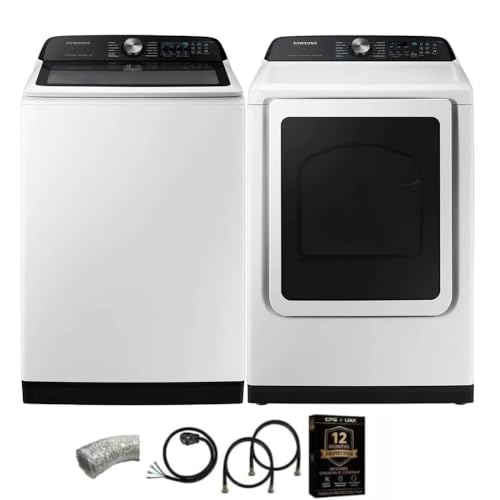
Samsung WA52DG5530K1 White Top Load High Efficiency Smart 5.2 Cu Ft Washer and 7.4 Cu Ft Electric Dryer Laundry Pair w
- Washer Capacity: 5.2 cu ft high efficiency top load
- Dryer Capacity: 7.4 cu ft electric dryer
- Smart Features: Remote monitoring and cycle control
As an affiliate, we earn on qualifying purchases.
As an affiliate, we earn on qualifying purchases.

4pcs Flexible Cleaning Brush Set for Dryer Vents, Fridge Coils, HVAC Systems & Tight Spaces – Multi-Use Lint and Dust Remover with Crevice Brush and Detailing Tools
- Flexible stainless-steel shafts: Bends into hard-to-reach areas
- Detachable mini tweezer: Removes stubborn lint and hair
- Multi-use cleaning set: Suitable for home and vehicle
As an affiliate, we earn on qualifying purchases.
As an affiliate, we earn on qualifying purchases.