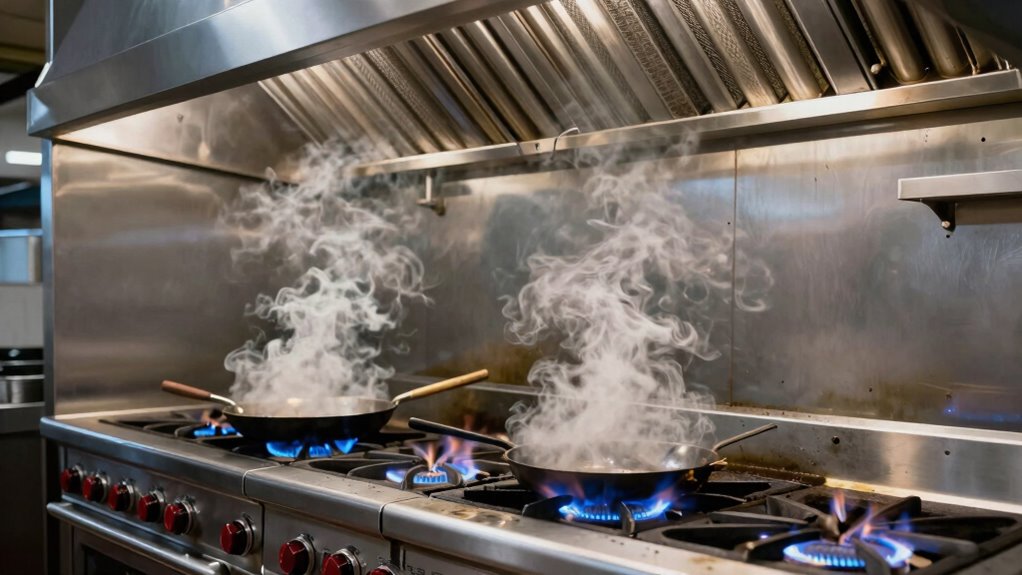

Better venting is essential for your powerful cooking equipment because it quickly removes smoke, heat, and fumes, improving safety and indoor air quality. It prevents grease buildup that can cause fires and protects your appliances from excessive heat, which can shorten their lifespan. Proper venting also helps control humidity, mold, and lingering odors. By ensuring your system is well-maintained and upgraded, you keep your kitchen safe and efficient—discover more ways improved venting benefits your cooking environment.

Get kitchen gear delivered free with Prime
- Fast, free delivery on millions of items
- Prime Video, Amazon Music and more included
- Member-only deals all year
Key Takeaways
- Efficient venting removes excess heat, smoke, and fumes, preventing buildup that can impair cooking performance.
- Proper ventilation maintains indoor air quality, protecting health and reducing respiratory issues during powerful cooking.
- Well-designed venting reduces fire hazards by preventing grease and debris accumulation on appliances and ducts.
- Regular maintenance of ventilation systems ensures optimal airflow, prolonging equipment lifespan and maintaining efficiency.
- Upgraded venting technology enhances pollutant removal, energy efficiency, and overall safety for high-powered cooking environments.
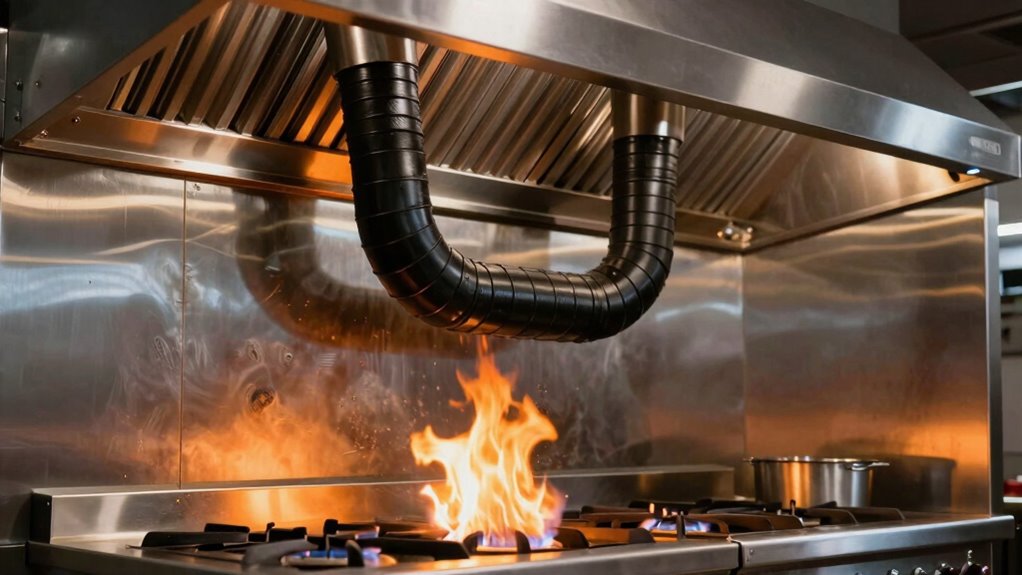
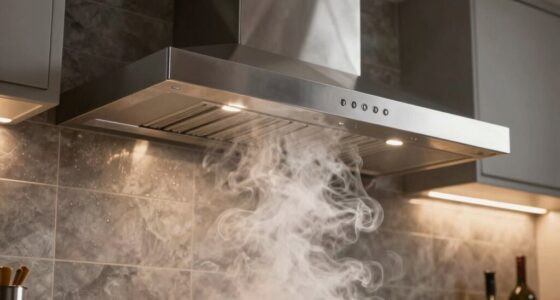
Have you ever considered how vital proper venting is for your cooking equipment? When you’re using powerful appliances, such as commercial stoves or industrial-grade ranges, good ventilation isn’t just about comfort—it’s about safety and efficiency. Without effective venting, smoke, fumes, and heat can accumulate, leading to poor indoor air quality and potential health issues. Proper venting ensures that these pollutants are directed outside, keeping the air inside your space fresh and safe to breathe. It’s easy to overlook this aspect when you’re focused on cooking, but neglecting it can have serious consequences over time. Indoor air quality is directly impacted by how well your ventilation system performs. When cooking with high-powered equipment, emissions like grease, smoke, and volatile organic compounds (VOCs) can linger if your venting isn’t up to par. These pollutants can cause respiratory problems and exacerbate allergies, especially in enclosed spaces. That’s why maintaining your ventilation system is vital. Regular ventilation system maintenance helps guarantee that your exhaust hoods, filters, and ductwork are clean and functioning properly. When these components are neglected, airflow becomes restricted, and pollutants are more likely to settle in your indoor environment instead of being expelled. This not only jeopardizes your health but also affects the efficiency of your cooking equipment, as excess heat and fumes can lead to increased wear and tear. Better venting also improves your kitchen’s overall safety. Heat buildup can cause discomfort and potentially create fire hazards if grease and debris accumulate in the ducts. By investing in a robust venting system and keeping it well-maintained, you reduce these risks drastically. Additionally, a properly ventilated space helps control humidity levels, preventing mold and mildew growth that thrive in moist environments. This is particularly important when using powerful equipment that produces a lot of steam or smoke. Proper ventilation system maintenance is essential to ensure that your equipment operates safely and efficiently over time. Regularly inspecting your airflow pathways can also help identify potential issues before they become costly repairs. An understanding of climate impact can guide you in choosing eco-friendly and energy-efficient ventilation options. Moreover, advancements in ventilation technology can significantly improve energy efficiency and reduce operating costs. In essence, the quality of your venting system determines how effectively your cooking area stays safe, clean, and comfortable. To maximize the benefits, you should inspect and service your ventilation regularly. Routine maintenance involves checking for blockages, replacing filters, and ensuring that fans operate smoothly. In addition, selecting proper venting equipment can optimize airflow and pollutant removal. When your ventilation system runs at its best, it enhances indoor air quality, prolongs the lifespan of your equipment, and creates a healthier environment for everyone. Investing in proper venting isn’t just about meeting code; it’s about safeguarding your space’s air and ensuring your powerful cooking equipment performs at its best every time.
As an affiliate, we earn on qualifying purchases.
Frequently Asked Questions
How Often Should Vent Filters Be Replaced?
You should replace vent filters as part of your regular filter maintenance schedule, typically every 6 to 12 months. However, this can vary depending on how often you use your cooking equipment and the type of filter. Keep an eye on grease buildup and odors, as these indicators signal when a replacement is needed. Regularly following your filter replacement schedule ensures effective venting and prevents potential fire hazards.
Can Improper Venting Cause Long-Term Kitchen Damage?
Improper venting can cause long-term kitchen damage, as studies show that over 60% of kitchen fires are linked to grease buildup from inadequate ventilation. Poor kitchen airflow allows grease and moisture to accumulate, leading to corrosion, mold, and structural damage over time. Without proper venting, you risk not only damage but also health hazards, making it essential to maintain effective ventilation systems for safety and longevity.
What Materials Are Best for Commercial Vent Hoods?
You should choose commercial vent hoods made from durable, corrosion-resistant materials like stainless steel, which withstand high heat and grease buildup. Prioritize hood materials that are easy to clean and maintain, especially with regular filter maintenance, to guarantee peak performance. Stainless steel is a top choice because it resists staining and rust, making it ideal for maintaining a safe, efficient kitchen environment with minimal hassle.
How Does Venting Impact Energy Efficiency?
Venting impacts energy efficiency by improving airflow optimization, which helps your commercial kitchen run more smoothly. When your venting system effectively removes heat, smoke, and grease, your equipment doesn’t have to work as hard, conserving energy. Proper venting also reduces the load on your HVAC system, leading to lower energy costs. In short, investing in good venting helps you save money and maintain a more efficient, comfortable kitchen environment.
Are There Safety Regulations for Commercial Venting Systems?
Imagine a busy restaurant that faced fines due to non-compliant vent systems. Yes, there are safety regulations for commercial venting systems. You must guarantee vent system compliance with local codes, including proper installation and maintenance. Regular safety inspection protocols help identify potential hazards, protecting your staff and customers. Staying updated on regulations reduces risks and keeps your kitchen running smoothly, adhering to standards that prioritize safety and efficiency.
As an affiliate, we earn on qualifying purchases.
Conclusion
In the end, good venting is the backbone of powerful cooking equipment, turning your kitchen into a well-orchestrated symphony rather than a chaos of smoke and odors. Think of it as the silent guardian that keeps your cooking space fresh and safe, allowing your culinary creations to shine without fear of unwanted fumes or heat buildup. Prioritize proper venting, and you’ll release the full potential of your equipment—making every meal a masterpiece, effortlessly.
As an affiliate, we earn on qualifying purchases.
As an affiliate, we earn on qualifying purchases.
Halloween Picks
halloween
As an affiliate, we earn on qualifying purchases.