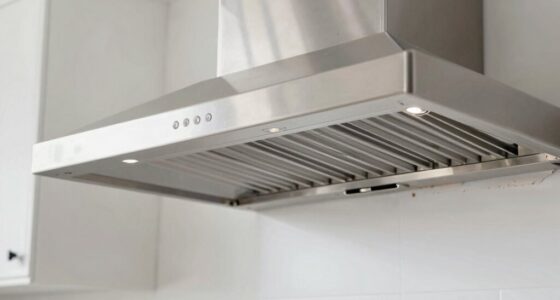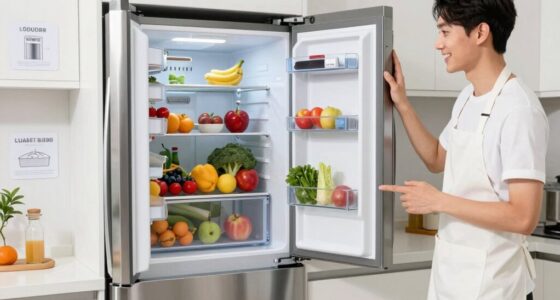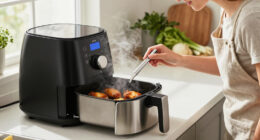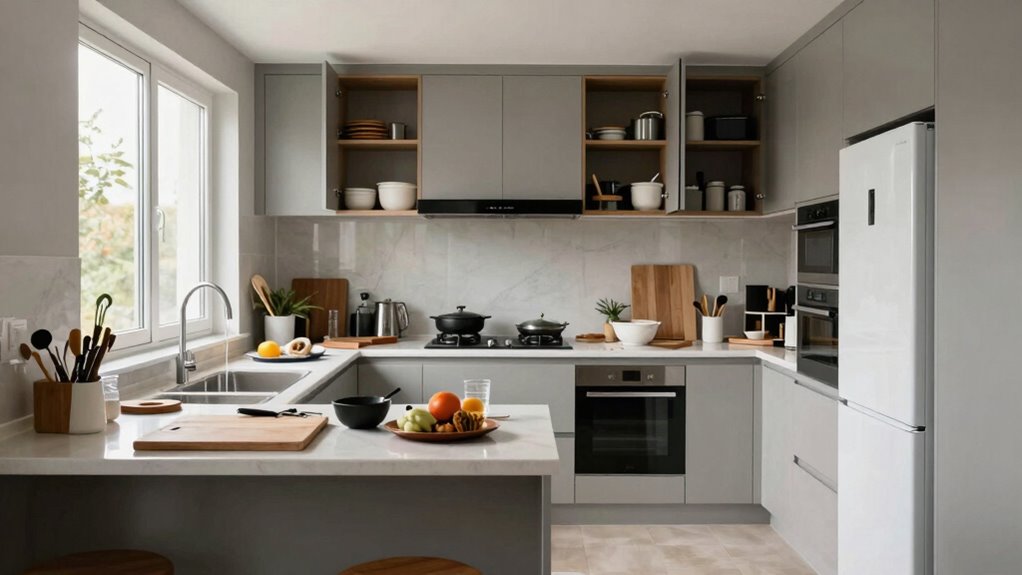
To identify bottlenecks in your kitchen setup, observe where you waste time or make unnecessary movements. Notice appliances or tools that are hard to reach or placed far from your prep and cook zones. Look for clutter or overflowing storage that causes rummaging. Pay attention to recurring obstacles that slow down tasks or cause you to backtrack. Focusing on these common issues will help you optimize your layout and workflow—stay with us to discover more effective solutions.

Get kitchen gear delivered free with Prime
- Fast, free delivery on millions of items
- Prime Video, Amazon Music and more included
- Member-only deals all year
Key Takeaways
- Observe areas where movement is repetitive or unnecessary during cooking and prep tasks.
- Identify appliances and tools that cause delays due to difficult accessibility or poor placement.
- Assess storage spaces for clutter or overflowing drawers that hinder quick tool retrieval.
- Analyze workflow patterns for bottlenecks caused by inadequate layout or appliance placement.
- Regularly review and adjust storage and arrangement to prevent new workflow obstructions.
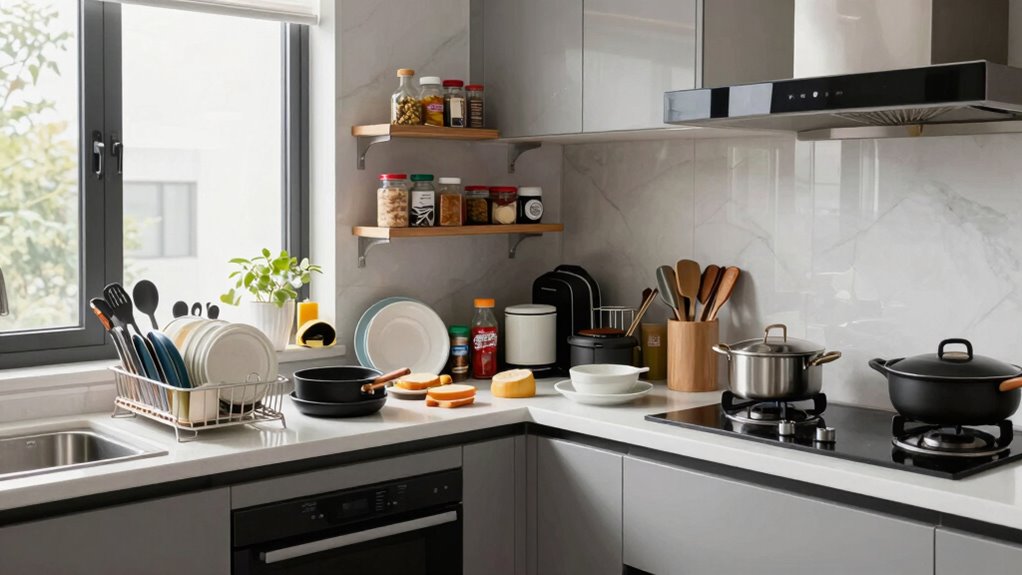
A cluttered or inefficient kitchen can slow down your cooking process and cause unnecessary frustration. When your space isn’t optimized, tasks become more complicated, and you find yourself wasting time searching for tools or ingredients. One of the first things to examine is your appliance placement. If your frequently used appliances are scattered across counters or tucked away in hard-to-reach cabinets, it creates a bottleneck in your workflow. For example, if the toaster, blender, and coffee maker are all in different areas, you waste steps every morning. Rearranging appliances so that your most-used items are within easy reach—preferably near your prep or cooking zones—can markedly improve efficiency. Keep your microwave close to your prep station, and place your toaster and coffee machine nearby, so you’re not constantly walking across the kitchen for a quick task.
Next, look at your storage efficiency. Cluttered cabinets and overflowing drawers not only make it tough to find what you need but also force you into inefficient habits, like rummaging through piles of utensils or searching through stacked pots and pans. When storage isn’t optimized, it creates a bottleneck that slows everything down. Evaluate whether your storage solutions are maximizing space and accessibility. Consider using vertical storage options, pull-out shelves, or drawer dividers to keep things organized. Items you use daily should be stored at eye level or within easy reach, while infrequently used tools can go higher or lower. Efficient storage means you spend less time hunting for the right spatula or measuring cup, which accelerates your entire cooking process. Additionally, optimizing kitchen layout can significantly reduce movement and streamline your workflow. Paying attention to workflow patterns can also help you identify areas where movement is unnecessarily repetitive or inefficient, further reducing bottlenecks. Incorporating ergonomic design principles can make your kitchen more comfortable and efficient for daily use. Moreover, assessing your storage solutions regularly ensures that your setup adapts to your evolving needs and prevents new bottlenecks from forming.
Products Worth Considering
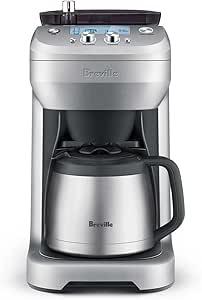
Breville Grind Control BDC650BSS Thermal Carafe Coffee Maker – Brushed Stainless Steel

KitchenAid 13-Cup Food Processor, KFP1318, Contour Silver

Vitamix Propel Series 510 Professional-Grade Blender, 3 Programs, Black
As an affiliate, we earn on qualifying purchases.
Frequently Asked Questions
What Tools Can Help Analyze Kitchen Workflow Efficiently?
You can use tools like workflow mapping to visualize your kitchen’s processes, helping you spot inefficiencies quickly. Equipment assessment tools, such as checklists and maintenance logs, allow you to evaluate whether your appliances are functioning at their best. Combining these tools, you get a clear picture of your workflow, making it easier to identify bottlenecks and streamline your kitchen operations. Regular analysis keeps your setup efficient and ready for busy times.
How Often Should I Reassess My Kitchen Layout?
Think of your kitchen as a living organism, constantly evolving. You should reassess your layout every 6 to 12 months, especially when you notice delays or clutter. Focus on optimizing kitchen ergonomics and storage solutions to keep things flowing smoothly. Regular evaluations help you spot bottlenecks early, ensuring your space adapts to your needs while maintaining efficiency. Staying proactive keeps your kitchen vibrant and functional.
Can Technology Improve Kitchen Bottleneck Identification?
Yes, technology can definitely improve bottleneck identification in your kitchen. Smart sensors track movement, usage, and wait times, providing real-time data. AI analysis then processes this information to pinpoint congestion points efficiently. With this tech, you gain clear insights into workflow issues, enabling you to make informed adjustments quickly. This proactive approach helps optimize your kitchen setup, reducing delays and improving overall efficiency.
What Common Mistakes Cause Kitchen Workflow Delays?
You often cause kitchen workflow delays by neglecting proper ingredient storage and poor equipment placement. When ingredients aren’t organized, you waste time searching or risking spoilage. Similarly, if equipment is poorly positioned, you spend extra steps or struggle to access tools quickly. To improve, streamline ingredient storage for easy access and arrange equipment logically. This minimizes movement, speeds up prep, and keeps your kitchen running smoothly.
How Do I Prioritize Which Bottlenecks to Fix First?
Prioritize bottlenecks that impact your workflow the most, especially those blocking multiple tasks. Studies show that inefficient kitchen layouts cause up to 30% more prep time. Use workflow mapping to visualize how tasks flow, then target areas where delays occur frequently. Focus on space optimization first—streamlining key zones like prep and cooking—so you can boost overall efficiency and reduce frustrations quickly.
Conclusion
Now that you know how to spot bottlenecks, are you ready to make your kitchen more efficient? By analyzing your workflow and pinpointing problem areas, you can transform your space into a smooth, enjoyable cooking environment. Don’t let clutter or poorly placed tools slow you down any longer. Remember, a well-optimized kitchen isn’t just about saving time—it’s about making cooking more fun and less stressful. So, why not start improving today?