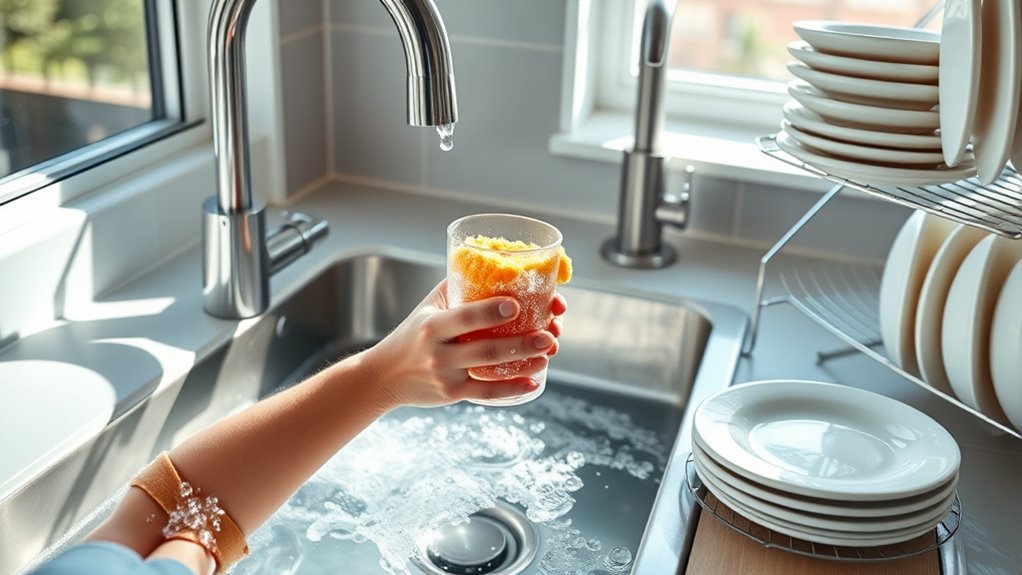

To hand wash dishes properly and save water while killing germs, gather all your dirty dishes and sort them by type. Use a small amount of quality dish soap in hot water to soak less soiled items first. Scrub thoroughly, especially in crevices, and rinse under hot running water to remove soap residue. Allow dishes to air dry or use a clean towel, ensuring it’s laundered. By following these steps, you’ll maintain a hygienic kitchen and discover additional helpful tips.

Get kitchen gear delivered free — and shop member deals
- Fast, free delivery on millions of items
- Access to Prime Big Deal Days deals on October 6–7
- Prime Video, Amazon Music and more included
Key Takeaways
- Gather and organize dirty dishes by type to streamline the washing process and save water.
- Use a quality dish soap to effectively cut grease and kill germs while using a small amount to minimize waste.
- Soak dishes in hot, soapy water to loosen grime before scrubbing, ensuring thorough cleaning of all surfaces.
- Rinse items under hot running water to remove soap residue, using a two-sink setup for improved sanitation.
- Air dry dishes on a clean rack to prevent bacteria transfer, or use a freshly laundered towel if necessary.

Have you ever wondered how to make dishwashing a breeze? It’s easier than you think! With a few smart techniques, you can turn this mundane chore into a quick and efficient task. First, gather all your dirty dishes and organize them by type. Start with the less soiled items like glasses and utensils, and save the greasy pots and pans for last. This way, you’ll prevent food particles from contaminating your cleaner items.
Next, don’t underestimate the dish soap effectiveness. Choose a quality dish soap that cuts through grease and has antibacterial properties. A little goes a long way, so squirt a small amount onto your sponge or cloth. If you’re washing a lot of dishes, consider filling one side of the sink with hot, soapy water. The heat not only helps to dissolve grime but also kills germs. Soak the dirty dishes for a few minutes before scrubbing; this’ll make your job easier.
As you wash each item, focus on using the right technique. Scrub the surfaces thoroughly, paying special attention to crevices and handles where bacteria can hide. Rinse each piece under hot running water to remove any soap residue. Hot water is also effective in sanitizing your dishes, ensuring you’ve killed off any lingering germs. If you’re using a two-sink method, the second sink should have hot water for rinsing, which improves the cleanliness and helps speed up the drying process.
Once you’ve rinsed everything, it’s time for drying techniques. You can either let your dishes air dry on a clean rack or use a clean dish towel for a quicker method. Air drying is often preferred as it minimizes the risk of transferring bacteria from the towel to your dishes, but if you choose to wipe them down, make sure your towel is freshly laundered.
Finally, don’t forget to clean your sponge or dishcloth regularly. A dirty sponge can harbor bacteria and transfer it back to your clean dishes. You can sanitize your sponge by microwaving it for a minute or placing it in the dishwasher. Additionally, proper airflow around the unit helps maintain the efficiency of appliances like air purifiers, making them essential for a clean kitchen environment.
With these tips, you’ll find that hand washing dishes doesn’t have to be a chore. By understanding dish soap effectiveness and employing smart drying techniques, you can save water and ensure your kitchenware is clean and germ-free. Happy washing!
As an affiliate, we earn on qualifying purchases.
Frequently Asked Questions
Can I Use Regular Soap Instead of Dish Soap?
You can use regular soap instead of dish soap, but it’s not the best option. Regular soap might leave a residue that’s hard to rinse off, which could affect the taste of your food. If you’re looking for eco-friendly cleaning, consider dish soap alternatives like baking soda or vinegar. They’re effective and safe for your dishes while being gentle on the environment. Just make sure to rinse thoroughly to avoid any lingering tastes!
How Often Should I Wash My Dish Sponge?
You should replace your dish sponge every two to four weeks, depending on how often you use it. A sponge’s lifespan shortens with daily use, so keep an eye on its condition. If it starts to smell or looks worn, it’s time for a change. Regularly rinsing and drying your sponge can help extend its life a bit, but don’t hesitate to swap it out to maintain hygiene in your kitchen.
Is It Safe to Wash Wooden Dishes?
When it comes to washing wooden dishes, you’re walking a fine line. It’s generally safe, but you need to be cautious. Use warm, soapy water and avoid soaking them for too long, as excess moisture can warp the wood. After washing, dry them immediately to keep your wooden utensils in top shape. Regular dish maintenance will help preserve their lifespan, so treat them right, and they’ll serve you well for years to come!
What Temperature Should the Water Be for Washing Dishes?
The ideal water temperature for washing dishes is around 110°F to 120°F (43°C to 49°C). This warmth helps dissolve grease and food residues while ensuring effective germ elimination. If the water’s too hot, you might risk burns or damage to your dishes. Keep in mind that using hot water also makes it easier for you to scrub away stubborn stains, making your dishwashing experience more efficient and hygienic.
How Do I Properly Sanitize My Dish Drying Rack?
To properly sanitize your dish drying rack, start with a thorough dish rack cleaning. Remove any debris and wash it with hot, soapy water. Next, mix a sanitizing solution using one tablespoon of bleach in a gallon of water. Soak the rack in this solution for at least two minutes. Rinse it with clean water and let it air dry completely. This guarantees your dish rack is free from germs and ready for use.
As an affiliate, we earn on qualifying purchases.
Conclusion
By following these simple steps, you’ll not only save water but also guarantee your dishes are dazzlingly clean and germ-free. Remember, a little effort goes a long way in maintaining a healthy kitchen. So, scrub those plates, rinse with reverence, and dry with diligence. With this mindful method, you’ll master the art of hand washing and keep your kitchen sparkling. Start your sustainable washing routine today and enjoy the satisfaction of spotless, sanitized dishes!
As an affiliate, we earn on qualifying purchases.
As an affiliate, we earn on qualifying purchases.
Fall Picks
fall essentials
As an affiliate, we earn on qualifying purchases.

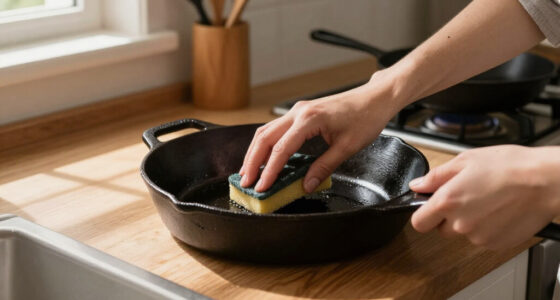
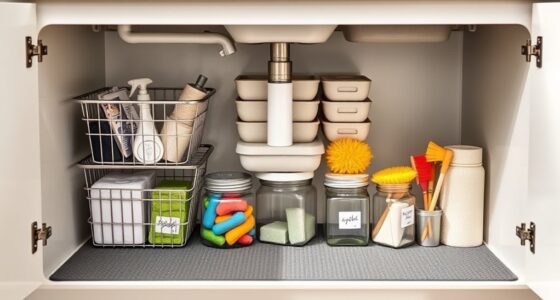



![Dove Mangiare A Milano: Le Nuove Aperture [In Aggiornamento]](https://producttestkitchen.com/wp-content/uploads/2026/09/dove-mangiare-a-milano-le-nuove-aperture-in-aggiornamento-featured-260x140.jpg)