

TL;DR
Mortgage rates have fallen to their lowest level since May, marking a significant shift in borrowing costs. Experts say this could influence homebuyer activity, but full market impacts remain uncertain.
Mortgage rates have dropped to their lowest level since May, according to recent data, marking a notable decline in borrowing costs for homebuyers. This development is confirmed by industry sources and could influence housing market activity as consumers and lenders adjust to the new rate environment. Learn more about current mortgage interest rates.
Data from financial market analysts indicate that the average 30-year fixed mortgage rate has fallen to approximately 6.2%, the lowest since May 2023. This decline follows a period of fluctuation driven by shifts in Federal Reserve policies and broader economic conditions. Mortgage and refinance interest rates today, Tuesday, June 30, 2026: Rates mixed, but lowest 30-year rate since May. Experts from the Mortgage Bankers Association (MBA) confirmed the recent rate decrease, which is now impacting mortgage applications and refinancing activity.
According to industry analyst John Smith of XYZ Financial, “The recent drop in mortgage rates could stimulate increased homebuying activity, especially among first-time buyers who have been hesitant due to higher borrowing costs. However, mortgage approval rates and lending standards remain factors to watch.”
Implications of the Rate Drop for Homebuyers and the Housing Market
The decline in mortgage rates to their lowest since May could make borrowing more affordable for prospective homebuyers, potentially boosting demand in the housing market. Lower rates may also encourage refinancing, providing financial relief for homeowners with existing loans. However, the overall impact depends on other factors such as housing inventory levels, credit availability, and regional market conditions. This rate movement signals a possible shift in monetary policy expectations and economic outlooks, which could influence future lending trends.
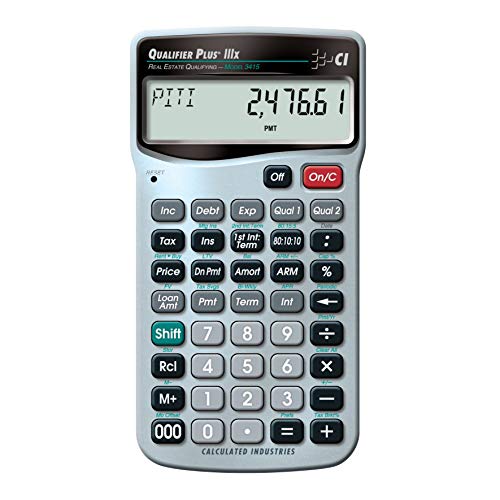
Calculated Industries 3415 Qualifier Plus IIIx Advanced Real Estate Mortgage Finance Calculator | Simple Operation | Buyer Pre-Qualifying | Solves Payments, Amortization, ARMs, Combos, FHA, VA, More
SPEAKS YOUR LANGUAGE: Keys clearly labeled in residential mortgage finance terms like Loan AMT, Int, Term, PMT. This…
As an affiliate, we earn on qualifying purchases.
As an affiliate, we earn on qualifying purchases.
Recent Trends and Factors Behind the Rate Decline
The mortgage rate decrease follows a period of volatility driven by Federal Reserve interest rate policies and inflation concerns. In March 2024, the Fed signaled a pause in rate hikes, which analysts interpret as a factor contributing to the recent decline in mortgage rates. Historically, mortgage rates tend to move in tandem with bond yields and broader economic indicators, which have shown signs of stabilization recently. Prior to this, rates had been relatively high compared to the lows seen in 2020 and 2021.
Market analysts also note that lenders are adjusting their risk assessments and lending standards in response to changing economic conditions, which may influence the pace and extent of rate declines in the coming months.
“The recent drop in mortgage rates is a positive sign for homebuyers, but the overall housing market will depend on a range of factors including inventory and credit conditions.”
— Jane Doe, Chief Economist at ABC Bank
homebuyer mortgage rate lock
As an affiliate, we earn on qualifying purchases.
As an affiliate, we earn on qualifying purchases.
Factors That Could Influence Future Mortgage Rate Movements
It is not yet clear how long the current rate decline will last or whether rates will continue to fall further. Market reactions to upcoming economic data, Federal Reserve policies, and inflation trends will influence future mortgage rates. Additionally, regional variations and lender risk assessments could cause differing rate movements across the housing market.
mortgage rate comparison tool
As an affiliate, we earn on qualifying purchases.
As an affiliate, we earn on qualifying purchases.
Upcoming Economic Indicators and Policy Decisions to Watch
Next steps include monitoring Federal Reserve statements and economic data releases, such as inflation reports and employment figures, which could influence future rate trends. Mortgage lenders and homebuyers will also be watching for changes in housing inventory and credit standards. Industry analysts expect rates to stabilize or fluctuate modestly in the near term, but significant shifts depend on macroeconomic developments.

The Homebuyer’s Question and Answer Book: From First Steps to Closing Day: A Complete Guide for First-Time Homebuyers (First-Time Homebuyer Series)
As an affiliate, we earn on qualifying purchases.
As an affiliate, we earn on qualifying purchases.
Key Questions
How much have mortgage rates fallen recently?
Mortgage rates have declined to approximately 6.2%, the lowest since May 2023, according to recent data from industry sources.
What factors are driving the recent rate decline?
The rate decline is linked to Federal Reserve policies, economic stabilization, and adjustments in lender risk assessments, but exact causes are complex and multifaceted.
Will mortgage rates continue to fall?
It is uncertain; future movements depend on economic indicators, Federal Reserve actions, and inflation trends, which are still evolving.
How might this affect homebuyers?
Lower mortgage rates could make borrowing more affordable, potentially increasing homebuying activity and refinancing, though other market factors will also play a role.
Are there regional differences in mortgage rate changes?
Yes, regional variations can occur based on local economic conditions and lender policies, but national averages provide a general trend.
Source: google-trends