If your De’Longhi Magnifica Evo Next Fully Automatic Espresso Machine is leaking water, it can disrupt your daily coffee routine and cause potential damage. Fortunately, many leaks are fixable with some simple troubleshooting steps. Understanding common causes and how to address them will help you restore your machine’s performance quickly and safely.
In this guide, we’ll walk through practical steps to identify and resolve water leaks, including checking internal components, water filters, and seals. Remember, safety first: always unplug your machine before performing any maintenance or repairs.
Key Takeaways
| Identify the source of leak | Check for visible leaks around seals, water tank, and internal parts. |
| Inspect water tank and connections | Ensure the water tank is seated properly and connections are secure. |
| Check for damaged seals or gaskets | Replace worn or cracked seals to prevent water from leaking. |
| Clean and descale regularly | Use descaling solutions to prevent mineral buildup causing leaks. |
| Use quality water filters | Install a De’Longhi water filter to improve water quality and protect internal components. |

De'Longhi Magnifica Evo Next Automatic Espresso Machine, Frother, Silver
- Worldwide Espresso Machine Leader: Top global manufacturer in 2025
- 13 One-Touch Beverage Recipes: Espresso, Latte, Cappuccino, and more
- Built-In Conical Burr Grinder: 13 grind settings for optimal extraction
As an affiliate, we earn on qualifying purchases.
Identify the Leak Source
The first step in fixing a leaking De’Longhi espresso machine is pinpointing where the water is coming from. Common leak sources include loose or damaged water tanks, faulty seals, or internal blockages. Start by visually inspecting the exterior of your machine for active leaks or pooling water around the base and internal components.
Next, open the water tank and check if it’s seated firmly in place. If water drips from the tank area, the connection between the tank and the machine might be loose or the seal could be worn out. Also, look for cracks or damage on the tank itself, which can cause leaks. If the leak appears to originate from inside the machine, it’s advisable to proceed with further disassembly or consult a professional.

De'Longhi Replacement Water Filter for Select Espresso Machines, DLSC002
- Enhances water quality: Optimizes water for better taste
- Prevents lime scale: Improves machine performance
- Ensures cleaner water: For better coffee flavor
As an affiliate, we earn on qualifying purchases.
Check and Secure Water Tank and Connections
- Unplug the machine and remove the water tank carefully.
- Inspect the tank for cracks, warping, or mineral buildup that can cause leaks.
- Ensure the water filter (if installed) is properly seated and not obstructing the connection.
- Reinstall the tank, making sure it clicks into place securely.
- Fill the tank with water and power on the machine to observe if the leak persists.
If water continues to leak from the tank area, consider replacing the water tank or seals as needed. Using a genuine replacement water filter can also help improve water flow and prevent buildup that might cause leaks.
Inspect and Replace Damaged Seals and Gaskets
Seals and gaskets inside your De’Longhi machine are vital for preventing water leaks. Over time, these components can become brittle, crack, or wear out, leading to leaks during operation. To inspect them:
- Disassemble the relevant parts, following the user manual or a repair guide specific to your model.
- Look for cracks, tears, or hardened rubber around seals and gaskets.
- Replace any damaged seals with genuine spare parts to ensure a proper fit and seal.
Reassembling with new seals can significantly reduce leaks and prolong your machine’s lifespan. Always ensure parts are clean and dry before reassembly to maintain a tight seal.
Clean and Descale Your Machine Regularly
Mineral buildup from hard water can cause internal blockages and pressure issues, which may lead to leaks. Regular cleaning and descaling are essential maintenance tasks. Use a descaling solution suitable for De’Longhi machines, such as the EcoDecalk Descaler, following the manufacturer’s instructions.
To descale:
- Fill the water tank with the descaling solution and water mixture.
- Run the descaling cycle as per your user manual, ensuring all internal pathways are cleared of scale deposits.
- Rinse thoroughly with fresh water afterward.
Doing this every few months, especially in areas with hard water, helps prevent leaks caused by mineral deposits obstructing water flow.
Tips and Warnings for Safe Repairs
Always unplug your espresso machine before attempting any repairs or inspections. Use appropriate tools and handle internal components carefully to avoid damage. If you’re unsure about disassembly or replacing seals, consider consulting a professional technician.
Be cautious with water and electrical parts—avoid contact with water when working inside the machine to prevent shocks. After completing repairs, run a test cycle with water to confirm the leak has been fixed before brewing your favorite espresso drinks.
The Products in This Guide
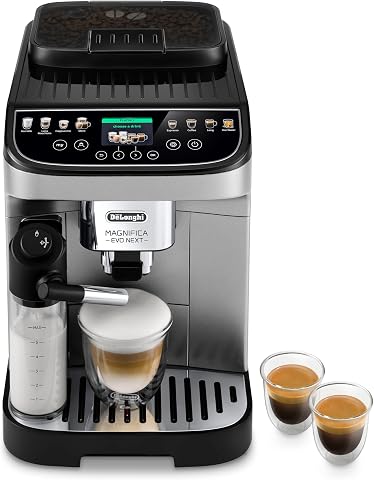
De’Longhi Magnifica Evo Next Fully Automatic Espresso Ma
- ✔ Voltage: 120V
- ✔ Warranty: 1 year
- ✔ Color: Silver

De’Longhi Replacement Water Filter
- ✔ Life Span: 2 months
- ✔ Filter Material: Charcoal and resin
- ✔ Ease of Use: Simple to install
De’Longhi Magnifica Evo Next Fully Automatic Espresso Ma
<p>The De’Longhi Magnifica Evo Next Fully Automatic Espresso Machine is a high-quality, versatile coffee maker. When it leaks water, the issue often stems from simple causes like a loose tank or worn seals. Following these troubleshooting steps can help restore proper functioning without costly repairs.</p>
Pros:
- Clear step-by-step instructions
- Addresses common leak causes
- Safe repair tips
- Prevents future leaks
Cons:
- Requires some disassembly
- May need replacement parts
- Not suitable for complete internal damage
Best for: Home baristas and coffee enthusiasts experiencing minor leaks
Not ideal for: Machines with severe internal damage or previous extensive repairs
Bottom line: Most leaks can be fixed with simple checks and part replacements, restoring your machine’s performance.
De’Longhi Replacement Water Filter
<p>The De’Longhi Replacement Water Filter is an excellent addition to your espresso machine, helping to improve water quality and reduce mineral buildup, which can cause leaks over time. Installing this filter ensures your machine operates smoothly and prolongs its lifespan.</p>
Pros:
- Improves water taste
- Reduces limescale buildup
- Easy to install
- Enhances machine performance
Cons:
- Requires replacement every few months
- Additional cost
- Compatibility limited to certain models
Best for: Regular users seeking to maintain machine health and coffee quality
Not ideal for: Machines that already have built-in advanced filtration systems
Bottom line: Using a quality water filter helps prevent leaks caused by mineral deposits and improves coffee flavor.
Frequently Asked Questions
What are common causes of water leaks in De’Longhi espresso machines?
Common causes include loose or damaged water tanks, worn seals or gaskets, mineral buildup causing internal blockages, or internal component cracks.
How often should I descale my machine?
It’s recommended to descale your De’Longhi machine every 2-3 months, or more frequently if you have hard water, to prevent mineral buildup that can cause leaks.
Can I fix internal leaks myself?
Yes, if you are comfortable with disassembly and replacing seals or gaskets. Otherwise, consult a professional or authorized service center to avoid damage.
Is using a water filter helpful for preventing leaks?
Yes, installing a de’Longhi water filter can reduce mineral deposits and lime scale, which are common causes of internal leaks and performance issues.
What should I do if the leak persists after troubleshooting?
If the leak continues despite these steps, contact De’Longhi customer service or a qualified technician for further diagnosis and repair.
Keep Your Espresso Flowing Smoothly
Leaking water from your De’Longhi espresso machine can be a sign of minor issues that are quite fixable. Regular maintenance, including checking seals, cleaning, and descaling, can prevent many common problems. With patience and proper replacement parts, you can restore your machine’s performance and enjoy perfect coffee every day.
If the problem persists despite troubleshooting, professional repair services are recommended to ensure your machine continues to brew at its best. Happy brewing!
Affiliate disclosure: As an Amazon Associate we earn from qualifying purchases. Prices and availability are accurate as of the time of publishing.