When you cook more at home, your indoor air quality can decline as airborne particles, smoke, grease, and VOCs are released into your space. These pollutants can stay suspended for hours and irritate your respiratory system, especially if ventilation isn’t effective. Using range hoods, exhaust fans, or opening windows helps clear the air, but proper placement and maintenance are key. Keep going to discover how to better protect your home’s air quality during cooking.

Get kitchen gear delivered free with Prime
- Fast, free delivery on millions of items
- Prime Video, Amazon Music and more included
- Member-only deals all year
Key Takeaways
- Cooking releases airborne particles, gases, and VOCs that can significantly increase indoor air pollution levels.
- Particles from cooking can stay suspended, reducing air quality and potentially irritating respiratory systems.
- Without proper ventilation, pollutants accumulate, leading to poorer indoor air quality over time.
- Effective ventilation systems and opening windows help remove pollutants and improve air freshness.
- Regular maintenance of ventilation devices ensures continued removal of cooking-related pollutants.
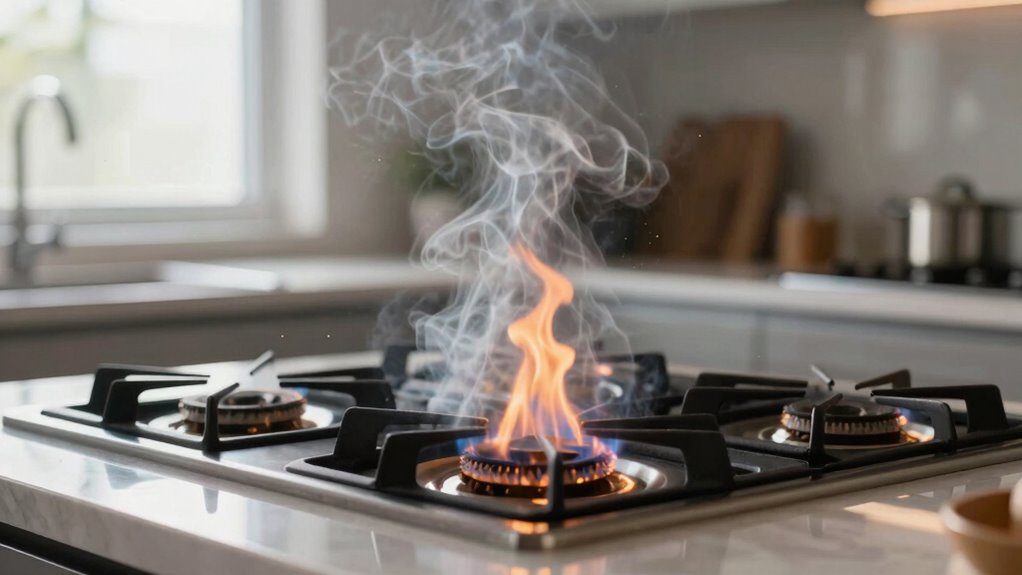
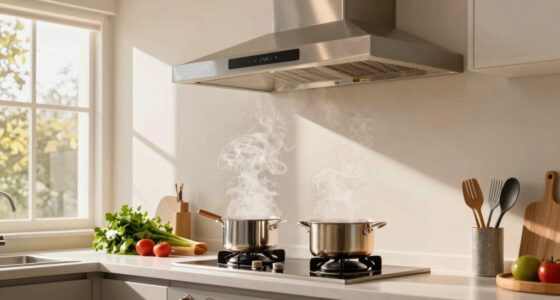
Have you ever wondered how much your indoor air quality changes when you start cooking? As soon as you turn on the stove or oven, you’re introducing a variety of airborne particles and gases into your home environment. Cooking releases pollutants like smoke, grease particles, and volatile organic compounds (VOCs), which can significantly impact the air quality in your kitchen and adjacent spaces. Without proper ventilation, these pollutants can linger, making the air harder to breathe and potentially causing health issues over time. That’s why understanding how your indoor air changes during cooking is essential, and why effective ventilation systems are so important.
Cooking releases airborne pollutants that can affect your home’s air quality and your health without proper ventilation.
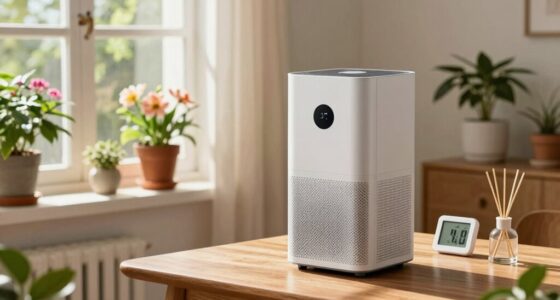
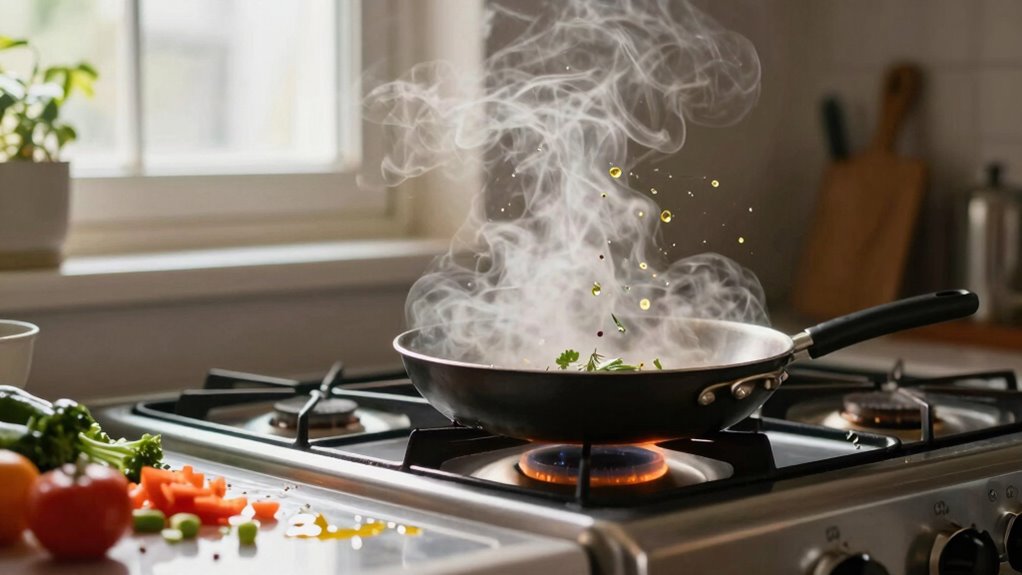
When you cook, the air in your home becomes filled with tiny particles and chemicals that can irritate your respiratory system or worsen allergies. Smoke from frying, simmering, or grilling isn’t just visible; it contains microscopic particles that can stay suspended in the air for hours. These particles can penetrate deep into your lungs, especially if your home lacks good airflow. VOCs released from processed foods, spices, and cooking oils also contribute to indoor pollution, adding to the chemical load you’re exposing yourself to daily. Without proper ventilation, these pollutants tend to accumulate, creating an environment that’s less healthy and more contaminated. Implementing proper air filtration can help reduce these airborne contaminants and improve overall indoor air quality.
Ventilation systems are your best defense against indoor air quality issues caused by cooking. When you turn on your range hood or exhaust fan, you’re actively pulling polluted air out of your kitchen and replacing it with cleaner outdoor air. Modern ventilation systems are designed to improve air exchange rates, effectively reducing the concentration of harmful particles and gases. If your home lacks a dedicated range hood or if it’s ineffective, pollutants can build up quickly, especially during prolonged cooking sessions. In such cases, opening windows can supplement your ventilation efforts, but relying solely on natural ventilation might not always keep the air safe, especially in densely populated or polluted areas. Properly installed ventilation systems that vent outside are most effective for maintaining good indoor air quality during cooking. Additionally, proper installation and regular inspections are crucial to ensure optimal performance and safety.
You should also consider the placement and maintenance of your ventilation systems. Properly installed hoods that vent outside are most effective. Regular cleaning of filters and ducts ensures they operate at peak efficiency, preventing grease buildup and reducing the risk of fire. In addition, using appliances with low emissions and cooking at lower temperatures can help minimize the amount of pollutants released into your indoor air. Additionally, choosing energy-efficient appliances can further reduce emissions during cooking. Ultimately, maintaining good ventilation during and after cooking helps clear the air faster, restoring healthier indoor conditions and protecting your respiratory health. Proper maintenance of your ventilation system is crucial to ensure it continues functioning effectively over time.
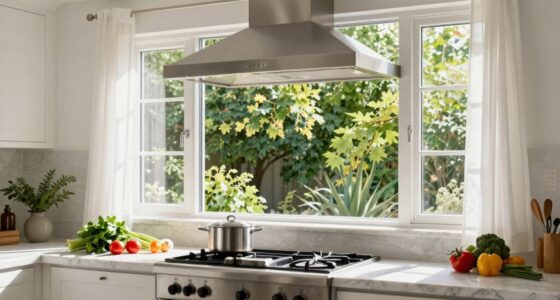
kitchen range hood with effective ventilation
As an affiliate, we earn on qualifying purchases.
As an affiliate, we earn on qualifying purchases.
Frequently Asked Questions
How Quickly Does Indoor Air Quality Improve After Cooking Stops?
After you stop cooking, indoor air quality begins to improve within minutes, thanks to air circulation. Pollutant dispersion happens quickly as fresh air replaces the smoky or greasy particles, especially if you have good ventilation. Using exhaust fans or opening windows accelerates this process. Typically, within 15 to 30 minutes, you’ll notice clearer air as airborne pollutants disperse and indoor air quality returns to a healthier state.
Are Certain Cooking Methods Worse for Indoor Air Quality?
Certain cooking methods, like frying and grilling, are like stormy skies, releasing more cooking fumes that worsen indoor air quality. These fumes contain particles and gases that can linger, making air filtration essential. Using an effective range hood or air purifier helps clear the air faster. To protect your indoor environment, opt for methods like boiling or steaming, which produce fewer fumes and keep your home’s air cleaner.
How Does Humidity Impact Indoor Air Changes During Cooking?
Humidity effects considerably influence indoor air changes during cooking. When humidity levels are high, it can cause air retention, trapping pollutants and moisture indoors. This reduces ventilation efficiency, making it harder for fresh air to replace stale air. Conversely, lower humidity allows better air exchange, helping to clear out cooking fumes and improve indoor air quality. Managing humidity levels guarantees better ventilation and healthier air during your cooking activities.
Can Indoor Plants Help Filter Cooking-Related Air Pollutants?
Indoor plants can indeed help filter cooking-related air pollutants through plant filtration and air purification. While they won’t eliminate all contaminants, they absorb volatile organic compounds and particulate matter, improving air quality. You might find it surprising how a few lush greens can act as natural air filters, providing a fresh atmosphere amidst your cooking space. Just remember, regular maintenance guarantees their effectiveness in enhancing indoor air quality.
What Are the Best Ventilation Practices for Different Types of Cooking?
To guarantee good ventilation during different types of cooking, always use your kitchen exhaust fan to remove smoke, odors, and pollutants efficiently. For high-heat or frying, keep the exhaust running continuously and open windows to boost air circulation. When simmering or boiling, turn on the exhaust and open a window slightly. Proper air circulation helps prevent buildup of harmful particles and keeps your indoor air fresh and safe.
As an affiliate, we earn on qualifying purchases.
Conclusion
As you cook more at home, think of your indoor air as a lively river, constantly shifting with each stir and simmer. Your kitchen transforms from a quiet space into a dynamic environment where pollutants ripple through the air. By understanding these changes, you can better manage ventilation and keep your home’s atmosphere fresh and healthy. Remember, each meal cooked is like a stroke on a canvas—shaping the air you breathe with every culinary creation.
exhaust fan for kitchen ventilation
As an affiliate, we earn on qualifying purchases.
As an affiliate, we earn on qualifying purchases.
As an affiliate, we earn on qualifying purchases.
Halloween Picks
halloween
As an affiliate, we earn on qualifying purchases.