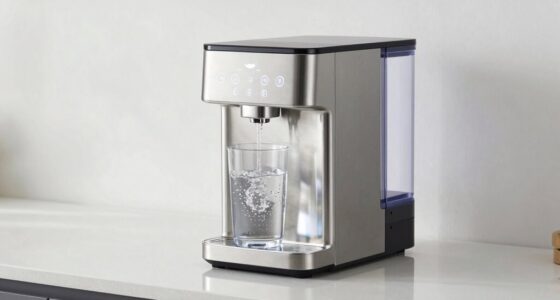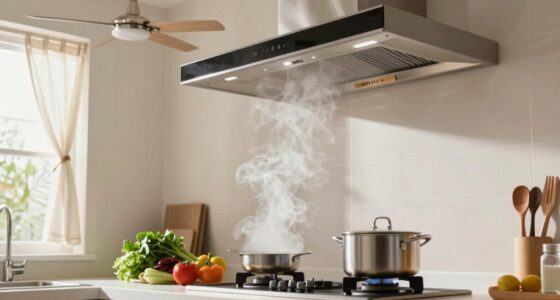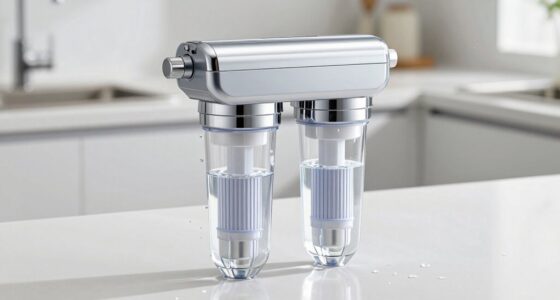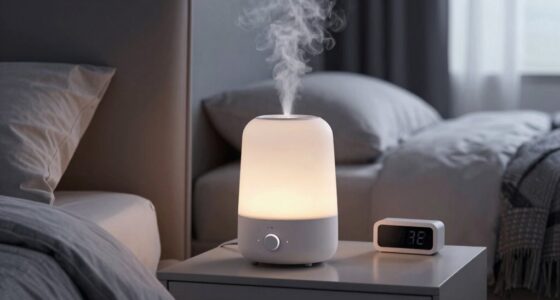
Homeowners are investing more in indoor air appliances to create healthier homes and improve comfort. These devices help remove allergens, dust, mold spores, and germs, reducing allergy symptoms and respiratory issues. They also regulate humidity, preventing mold growth and dry air discomfort. Modern smart features make maintenance easier and guarantee peak performance. Investing in these appliances not only enhances indoor air quality but also supports long-term health and well-being. If you want to discover more, keep exploring.

Get kitchen gear delivered free with Prime
- Fast, free delivery on millions of items
- Prime Video, Amazon Music and more included
- Member-only deals all year
Key Takeaways
- Growing awareness of indoor air pollution’s health impacts encourages investment in air purification devices.
- Increased prevalence of allergies and respiratory conditions drives demand for effective air quality solutions.
- Advances in smart technology make indoor air appliances more efficient, user-friendly, and integrated into daily living.
- Enhanced understanding of humidity control benefits promotes investment in devices that improve indoor conditions.
- Long-term health and comfort benefits justify higher initial costs of modern indoor air appliances.
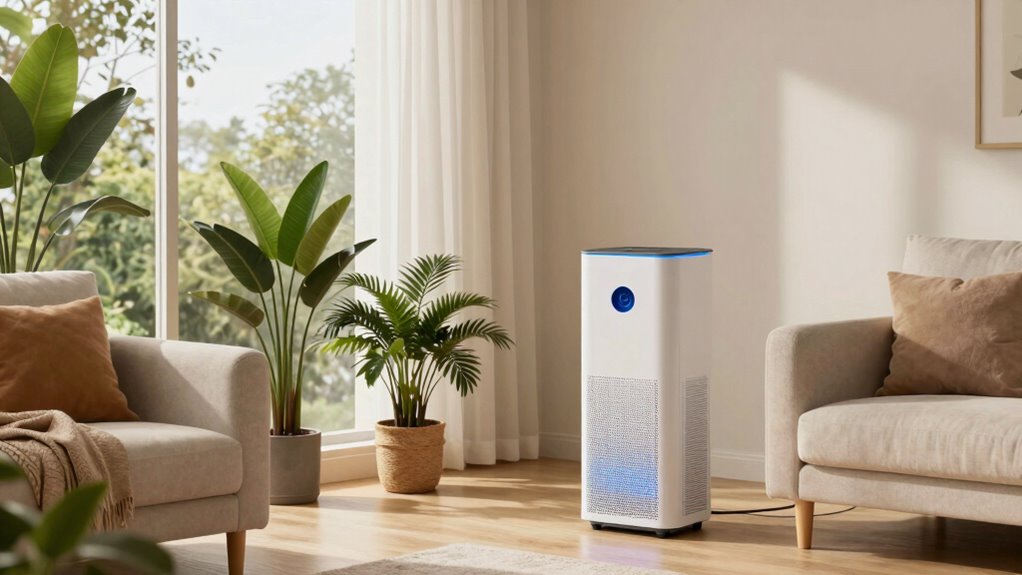
Are you considering investing in indoor air appliances? If so, you’re not alone. Many homeowners are recognizing the importance of improving indoor air quality, especially with the rise of allergies, respiratory issues, and concerns about airborne pollutants. Indoor air appliances, such as air purifiers and humidifiers, offer tangible benefits that can enhance your living environment considerably. One of the key reasons for this surge in interest is the array of air purifier benefits. These devices effectively remove dust, pollen, pet dander, mold spores, and even airborne bacteria or viruses. By filtering out these particles, air purifiers help reduce allergy symptoms, asthma triggers, and the risk of respiratory infections, creating a healthier space for everyone in your home. This is especially valuable if you have family members with sensitivities or compromised immune systems.
Alongside air purifier benefits, humidity control plays an essential role in maintaining ideal indoor conditions. Proper humidity levels—generally between 30% and 50%—help prevent issues like dry skin, sore throats, and respiratory discomfort. When humidity is too low, your nasal passages and throat can become irritated, making you more susceptible to colds or flu. Conversely, excessive humidity fosters mold growth and dust mites, which can worsen allergies and asthma. Investing in a humidifier or a combined air purifier with humidity control features allows you to regulate moisture levels effectively. This balance not only enhances comfort but also protects your home’s structural integrity by preventing mold and mildew buildup. Proper maintenance of air quality gear is crucial to ensure these devices operate efficiently and effectively over time. Additionally, certain air purifiers include filter maintenance tips to help prolong their effectiveness and lifespan. Regularly monitoring indoor air quality with air quality sensors can further optimize device performance and your overall health.
You might also notice that indoor air appliances can contribute to better sleep quality. Cleaner air with suitable humidity levels reduces nighttime congestion, coughing, and sneezing, helping you rest more peacefully. Moreover, advancements in indoor air technology have made these devices more energy-efficient and quieter, making them easier to incorporate into daily life. Additionally, many modern devices come with smart features—like air quality sensors and automatic adjustments—that make maintaining a healthy indoor environment easier than ever. As a homeowner, investing in these appliances can be viewed as a proactive step toward safeguarding your family’s health and well-being. The initial cost is often offset by the long-term benefits of fewer health issues, lower allergy medication use, and a more comfortable home environment. Furthermore, understanding indoor air quality gear and humidity control basics can help you select the right devices tailored to your needs. In today’s world, where air quality concerns are more prominent than ever, embracing indoor air appliances isn’t just a trend—it’s a smart move to guarantee your home remains a safe, healthy haven for everyone inside.
As an affiliate, we earn on qualifying purchases.
Frequently Asked Questions
How Do Indoor Air Appliances Improve Overall Health?
Indoor air appliances improve your overall health by enhancing air quality and reducing harmful pollutants. They filter out dust, allergens, and airborne toxins, which helps prevent respiratory issues and allergies. By maintaining cleaner air in your home, you support better respiratory health and decrease the risk of illnesses related to poor air quality. Investing in these appliances creates a healthier living environment, making it easier for you to breathe freely and stay well.
Are There Any Safety Concerns With Indoor Air Appliances?
Yes, there are safety concerns with indoor air appliances, but you can minimize risks by ensuring proper ventilation safety and choosing appliances with relevant certifications. Always read the manufacturer’s instructions, maintain filters and units regularly, and avoid overusing devices to prevent issues like electrical hazards or poor air quality. By selecting certified appliances and practicing good ventilation safety, you keep your indoor environment safe and healthy.
What Is the Average Cost of Installing These Appliances?
The average cost of installing indoor air appliances varies, but you can expect a cost comparison of around $300 to $1,500 depending on the device and complexity. During the installation process, professionals typically assess your space, guarantee proper placement, and connect the units correctly. While some units are simple plug-and-play, others may require more extensive setup, so budgeting accordingly and consulting experts helps guarantee a smooth and safe installation.
How Often Should Indoor Air Appliances Be Maintained?
You should perform regular air filter maintenance every 1 to 3 months, depending on usage and filter type, to keep your indoor air appliances running efficiently. Regular maintenance extends the appliance lifespan and guarantees ideal air quality. Check manufacturer guidelines for specific recommendations. Replacing filters promptly prevents dust buildup and maintains proper airflow, helping your appliances function effectively and last longer while providing clean, healthy indoor air.
Do Indoor Air Appliances Reduce All Types of Indoor Pollutants?
Indoor air appliances do not eliminate all pollutant types, but they target many common ones effectively. For example, HEPA filters reduce allergens and airborne bacteria, while activated carbon filters help with odors and volatile organic compounds. However, their effectiveness depends on the appliance’s design and maintenance. You should choose appliances suited to your specific indoor pollutants, knowing that complete removal of every pollutant type isn’t always possible.
As an affiliate, we earn on qualifying purchases.
Conclusion
So, seize the chance to safeguard your space with savvy, state-of-the-art indoor air appliances. By investing in innovative, air-quality advancements, you’re not just upgrading your home—you’re releasing a universe of freshness, freedom, and peace. Don’t delay; explore diligent decisions that deliver a healthier, happier habitat. Your home’s harmony hinges on your choice—make it today, and breathe easier tomorrow.
As an affiliate, we earn on qualifying purchases.
combination air purifier and humidifier
As an affiliate, we earn on qualifying purchases.
As an affiliate, we earn on qualifying purchases.
Fall Picks
fall essentials
As an affiliate, we earn on qualifying purchases.