
If your home prioritizes clean, safe water, reverse osmosis systems are a smart choice. They effectively remove impurities, chemicals, heavy metals, and contaminants for pure, great-tasting water at your tap. Installed conveniently under your sink, they provide instant access without the hassle of bottled water, while reducing plastic waste. Easy to maintain and cost-effective over time, these systems support your water-conscious lifestyle. Keep exploring to discover how they can upgrade your home’s water quality even further.

Get kitchen gear delivered free — and shop member deals
- Fast, free delivery on millions of items
- Access to Prime Big Deal Days deals on October 6–7
- Prime Video, Amazon Music and more included
Key Takeaways
- They effectively remove impurities, contaminants, and chemicals, ensuring the highest water purity for health-conscious households.
- Installation at the point of use provides instant access to high-quality, great-tasting water.
- Regular maintenance ensures long system lifespan, maintaining optimal performance and water quality.
- Low operational costs and reduced reliance on bottled water support eco-friendly and cost-effective living.
- They meet high standards for safety, durability, and environmental sustainability, aligning with water-focused homes’ values.
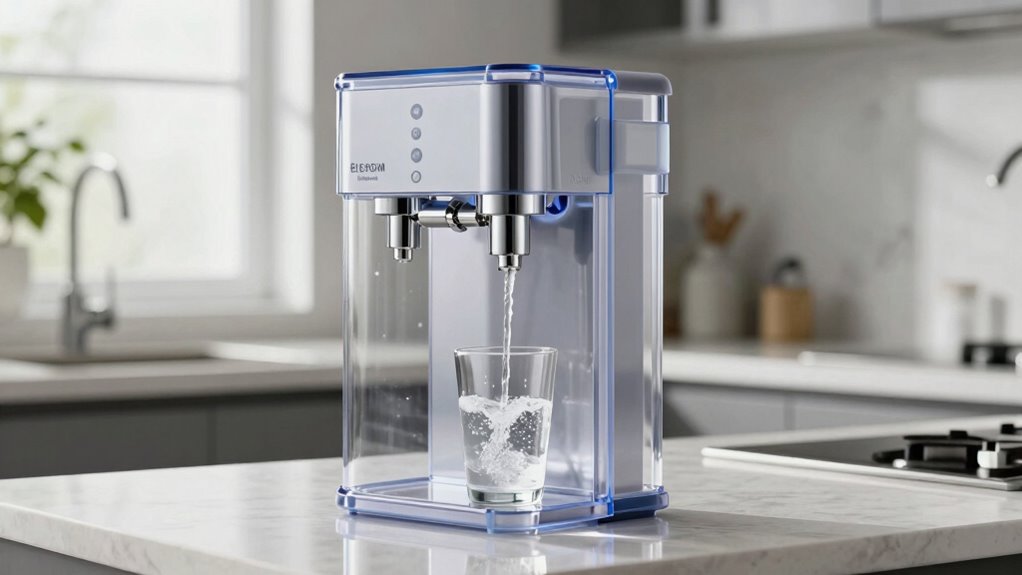
Are you prioritizing pure, clean water in your home? If so, a reverse osmosis system might be exactly what you need to elevate your water quality. These systems are highly effective at removing impurities, contaminants, and unwanted chemicals, making them a popular choice for water-focused households. Unlike traditional filters, reverse osmosis systems use a semipermeable membrane to filter out a wide range of pollutants, including heavy metals, chlorine, pesticides, and even microorganisms. This advanced water filtration process guarantees that the water you drink and use daily is as pure as possible, giving you peace of mind and better tasting water.
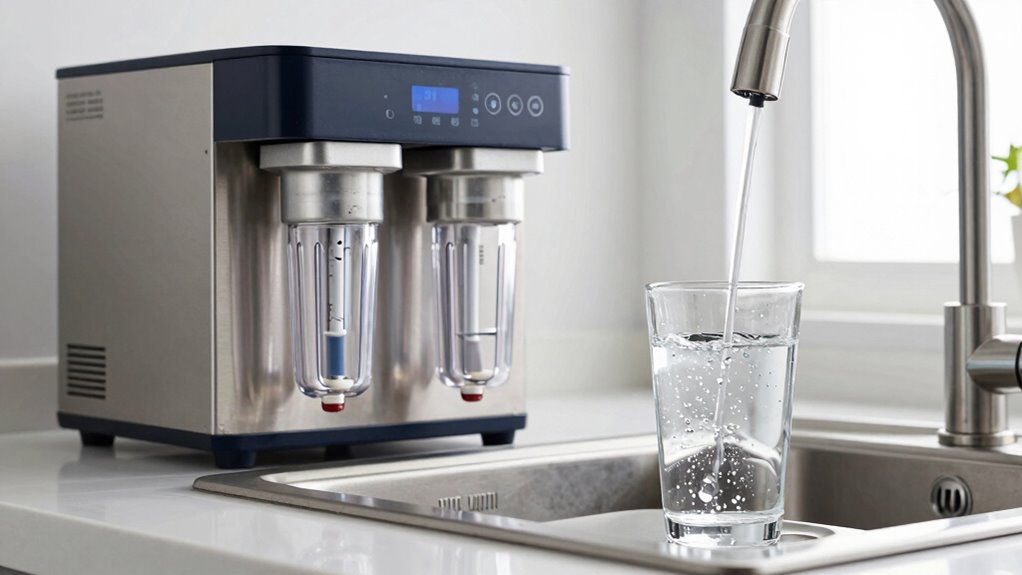
One of the main reasons reverse osmosis appeals to homes that prioritize water quality is its ability to deliver consistently clean, safe water. For households with concerns about tap water safety, it’s a reliable solution that markedly reduces the risk of ingesting harmful substances. Plus, because these systems are installed directly at the point of use—such as under your kitchen sink—they provide instant access to high-quality water whenever you need it. This convenience makes them ideal for those who want to improve their water’s taste, smell, and overall purity without the hassle of purchasing bottled water.
However, to keep your reverse osmosis system functioning at its best, you need to stay on top of system maintenance. Regularly replacing filters and membranes is vital to guarantee the system continues to perform at its best. Neglecting water filtration system maintenance can lead to reduced efficiency, diminished water quality, and even potential damage to the system itself. Scheduling routine checkups and filter changes helps prolong the lifespan of your system and guarantees that it consistently delivers the purest water possible. Staying proactive about system maintenance also prevents buildup and clogging, which can compromise the filtration process and result in costly repairs down the line. Proper system maintenance is essential for ensuring optimal performance and longevity of your reverse osmosis setup. Additionally, understanding the importance of water quality can motivate households to prioritize regular upkeep and upgrades.
Another aspect that makes reverse osmosis appealing is its low ongoing operational costs. Once installed, it requires minimal maintenance beyond regular filter replacements, making it an economical choice for water-conscious households. Plus, since it reduces the need for bottled water, you’re also contributing to environmental sustainability by cutting down on plastic waste. An important benefit of reverse osmosis systems is its ability to effectively remove contaminants like heavy metals, ensuring safer drinking water for your family. The overall value of a reverse osmosis system lies not only in the quality of water it provides but also in its efficiency, durability, and ability to meet the high standards of households that prioritize pure, clean water every day. Additionally, its role in promoting sustainable living practices aligns with the goals of environmentally conscious households.
reverse osmosis water filtration system
As an affiliate, we earn on qualifying purchases.
As an affiliate, we earn on qualifying purchases.
Frequently Asked Questions
How Long Does a Reverse Osmosis System Typically Last?
A reverse osmosis system typically lasts about 10-15 years with proper maintenance, depending on water quality and system durability. If your water has high mineral content or contaminants, filters and membranes may need replacement more often. Regularly checking and maintaining your system guarantees it continues to perform well, providing clean water and extending its lifespan. Proper upkeep helps you get the most out of your investment.
Is Installation Suitable for All Types of Plumbing?
Installation isn’t suitable for all types of plumbing, as plumbing compatibility varies. You might face installation challenges if your home’s plumbing system is outdated or uses non-standard materials. Before proceeding, it’s crucial to assess your plumbing setup and consult a professional to confirm compatibility. They can identify potential issues and help you navigate installation challenges, making sure your reverse osmosis system functions correctly and efficiently without damaging your existing plumbing.
Can Reverse Osmosis Remove All Contaminants?
Reverse osmosis systems can remove many contaminant types like heavy metals, bacteria, and pesticides, but they don’t eliminate all contaminants, such as certain volatile organic compounds (VOCs) or gases. They also affect water mineralization by removing beneficial minerals, so you might need to add mineral supplements afterward. Overall, while highly effective for many impurities, they don’t guarantee complete removal of every contaminant in your water.
What Maintenance Is Required for These Systems?
You need to regularly change the system components, like filters and membranes, to keep your water filtration effective. Coincidentally, this maintenance guarantees your reverse osmosis system continues to remove contaminants efficiently. Typically, you’ll replace pre-filters every six to twelve months, and membranes every two to three years. Keeping an eye on system performance and following manufacturer guidelines helps maintain clean, safe water and prolongs your system’s lifespan.
Are There Any Health Risks Associated With Reverse Osmosis Water?
There are some health concerns with reverse osmosis water, mainly mineral depletion since the system filters out beneficial minerals. If you rely solely on RO water, you might lack essential nutrients like calcium and magnesium, which can affect your health over time. To minimize risks, consider re-mineralizing your water or balancing your diet. Overall, while safe, it’s important to be aware of these potential health concerns.
under sink reverse osmosis system
As an affiliate, we earn on qualifying purchases.
As an affiliate, we earn on qualifying purchases.
Conclusion
In the end, a reverse osmosis system is your trusty steed in the quest for pure water. It’s like having a modern-day fountain of youth right in your kitchen, ensuring every sip is crystal clear. Whether you’re a health enthusiast or just want peace of mind, this system makes clean water easily accessible—no need to channel your inner medieval alchemist. Embrace this technology, and you’ll never look back at questionable tap water again.
water purification system for home
As an affiliate, we earn on qualifying purchases.
As an affiliate, we earn on qualifying purchases.
As an affiliate, we earn on qualifying purchases.
Fall Picks
fall essentials
As an affiliate, we earn on qualifying purchases.