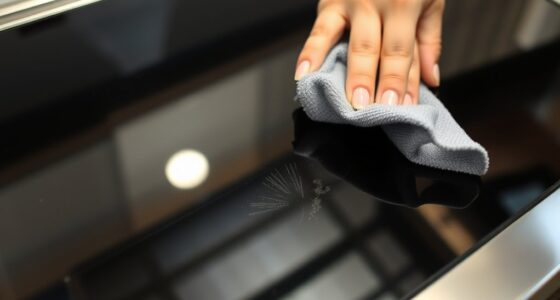
You can easily clean your kitchen appliances using simple DIY methods with vinegar and baking soda. For your coffee maker, run a brew cycle with equal parts vinegar and water, then follow with plain water, adding baking soda to remove odors. To brighten your microwave, steam it with a vinegar-water mix, then wipe away grime—adding lemon slices enhances freshness. Clean your dishwasher by running an empty cycle with vinegar and sprinkling baking soda for a thorough refresh. Discover more helpful tips to keep your appliances spotless and odor-free.

Get kitchen gear delivered free — and shop member deals
- Fast, free delivery on millions of items
- Access to Prime Big Deal Days deals on October 6–7
- Prime Video, Amazon Music and more included
Key Takeaways
- Use a mixture of equal parts vinegar and water to descale coffee makers and remove mineral buildup.
- Run a baking soda and water cycle in appliances to eliminate odors and stains naturally.
- Steam-clean microwave interiors with vinegar and lemon slices for effective stain removal and deodorizing.
- Clean dishwashers by running cycles with vinegar and baking soda to break down grease and freshen the appliance.
- Perform regular filter checks and use natural solutions to maintain appliance efficiency and extend lifespan.
Cleaning Your Coffee Maker With Vinegar and Baking Soda
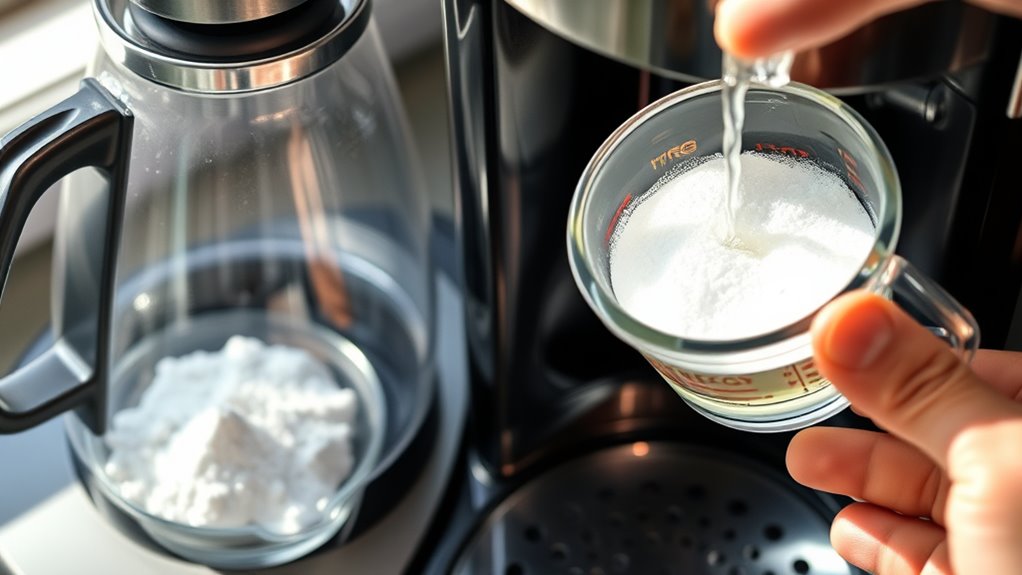
Have you ever wondered how to effectively clean your coffee maker using simple ingredients? Vinegar and baking soda are powerful tools for descaling methods that remove mineral buildup and prevent mold growth. Start by filling the water reservoir with equal parts white vinegar and water. Run a brew cycle, then pause halfway to let it sit for 15-20 minutes. Follow with a cycle of plain water to rinse out residues. Next, add a spoonful of baking soda to the brew basket and run another cycle to eliminate odors and stubborn stains. These steps not only clean your coffee maker but also help prevent mold by removing moisture and buildup. Regular use of these natural ingredients keeps your appliance fresh, safe, and functioning efficiently.
Restoring Your Microwave’s Shine Naturally
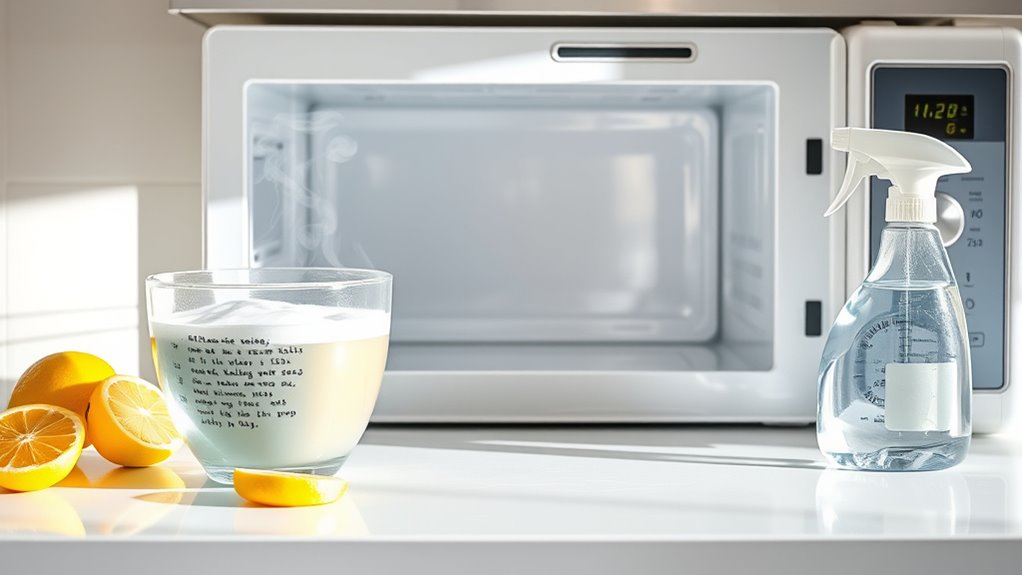
Over time, microwave interiors can become dull and stained from spills and splatters. To restore their shine naturally, you can use simple household ingredients. Microwave-safe bowls filled with equal parts water and vinegar can be placed inside, then microwaved for 5 minutes. The steam loosens grime, making it easy to wipe away. For natural deodorizing, add slices of lemon or a splash of baking soda to the mixture before microwaving. Incorporating contrast ratio considerations can help you determine the best lighting conditions to see the results clearly. Here’s a quick comparison:
| Method | Effect |
|---|---|
| Vinegar Steam | Removes stains, deodorizes |
| Lemon Slices | Freshens odors, brightens interior |
| Baking Soda | Absorbs odors, enhances shine |
This approach keeps your microwave spotless and fresh without harsh chemicals. Additionally, understanding visual clarity can help you assess the cleanliness more effectively. Proper lighting and visual perception are essential for noticing even minor residues and ensuring your appliance looks its best.
Refreshing Your Dishwasher Using Simple Kitchen Staples

Even if your dishwasher looks clean, hidden grease and buildup can diminish its efficiency and cause odors. To keep it running smoothly, try simple dishwasher maintenance using eco friendly cleaning methods with common kitchen staples. Start by running an empty cycle with a cup of white vinegar placed on the top rack to dissolve grease and eliminate lingering smells. Follow up with a sprinkle of baking soda on the bottom and run a hot cycle to freshen and deodorize. These natural solutions break down residues without harsh chemicals, making them eco friendly cleaning options. Regularly cleaning your dishwasher with these kitchen staples not only maintains its performance but also promotes a healthier, greener kitchen environment. Additionally, performing routine filter checks and cleaning can help prevent clogged filters that might impair the appliance’s efficiency. Incorporating proper aftercare techniques, similar to those used for piercings, can further ensure your dishwasher remains in top condition. Proper maintenance, including ventilation considerations, can improve airflow and prevent moisture buildup that leads to mold and odors. Ensuring good air circulation around the appliance can also help reduce humidity and inhibit mold growth. Proper maintenance and consistent care help extend the lifespan of your dishwasher and keep it operating at peak performance. Keep your appliance efficient and odor-free with this simple, effective routine.
Frequently Asked Questions
Can Vinegar Damage Stainless Steel Appliances?
Vinegar can cause vinegar corrosion and stainless steel discoloration if used improperly. You shouldn’t leave vinegar on your stainless steel appliances for long periods or use it undiluted, as it may damage the surface. Instead, dilute vinegar with water and apply it gently. This way, you can enjoy the cleaning power without risking vinegar corrosion or discoloration, keeping your appliances looking shiny and new.
How Often Should I Deep Clean Kitchen Appliances?
Did you know that regular cleaning can extend your appliance’s lifespan by up to 30%? You should deep clean your kitchen appliances at least once a month for maximum appliance maintenance. This cleaning frequency helps prevent buildup, keeps everything running smoothly, and avoids costly repairs. By sticking to this routine, you guarantee your appliances stay in top shape, saving you time and money in the long run.
Are Baking Soda Solutions Safe for All Surfaces?
Baking soda solutions are generally safe for most surfaces, but you should always check your appliance’s guidelines for food safety and compatibility. For delicate surfaces like stainless steel or glass, test a small area first to avoid damage. While baking soda is effective for cleaning, using it improperly can harm some materials, so always guarantee your cleaning method aligns with your appliance’s specifications to keep everything in good shape.
Will Vinegar Leave a Lingering Smell After Cleaning?
Vinegar can leave a lingering smell after cleaning, but it usually dissipates quickly. The vinegar odor is strong initially, but it evaporates as it dries. To minimize a lingering smell, you can rinse surfaces with water or wipe them down with a mild solution afterward. If you’re concerned about the lingering smell, adding a few drops of essential oil can help mask the vinegar scent and leave a fresh aroma behind.
Can These DIY Methods Remove Hard Water Stains?
Hard water stains don’t stand a chance against DIY remedies! You can conquer those stubborn spots by using vinegar and baking soda, which work together like an unstoppable cleaning duo. Just apply a mixture of equal parts vinegar and water, let it sit, then scrub with baking soda. This powerful combo dissolves mineral deposits and brightens your appliances, making those tough stains vanish as if by magic.
Conclusion
Now that you know these easy DIY cleaning hacks, your appliances will look and work like new. Imagine walking into your spotless kitchen, the gleam of your coffee maker and microwave reflecting the light. Isn’t it satisfying to think you can achieve professional results with simple ingredients from your pantry? With just vinegar, baking soda, and a little effort, you’ll keep your appliances sparkling—without harsh chemicals or expensive cleaners. Ready to give these tips a try?
Fall Picks
fall essentials
As an affiliate, we earn on qualifying purchases.