
To clean out your pantry, start by emptying all your shelves and checking expiration dates. Toss out expired items and declutter as you go. Next, group similar products together and designate sections for each category to simplify meal planning. Use clear containers and label them for easy identification. Regularly assess your pantry to keep it organized. With a bit of effort, you’ll create a functional space that inspires your cooking. Discover more tips to maintain that order!
Key Takeaways
- Empty the pantry shelves, check expiration dates, and discard expired or questionable items for a fresh start.
- Group similar items together and designate sections for easy access during meal planning.
- Use clear bins and labeled containers to maintain organization and improve visibility.
- Regularly reassess pantry contents, removing unused items and avoiding overstocking to prevent clutter.
- Implement a routine cleaning schedule every few months to maintain an organized and functional pantry space.

Cleaning out your pantry can feel overwhelming, especially if it’s been a while since your last thorough exploration. You might be surprised at the clutter hiding behind those doors. But don’t worry; it’s time to tackle this task step by step. Start by emptying everything out. As you pull items from the shelves, check expiration dates. Toss anything that’s expired or looks questionable. This is your chance to declutter and make space for the essentials.
Cleaning your pantry can be daunting, but take it step by step to declutter and create space for essentials.
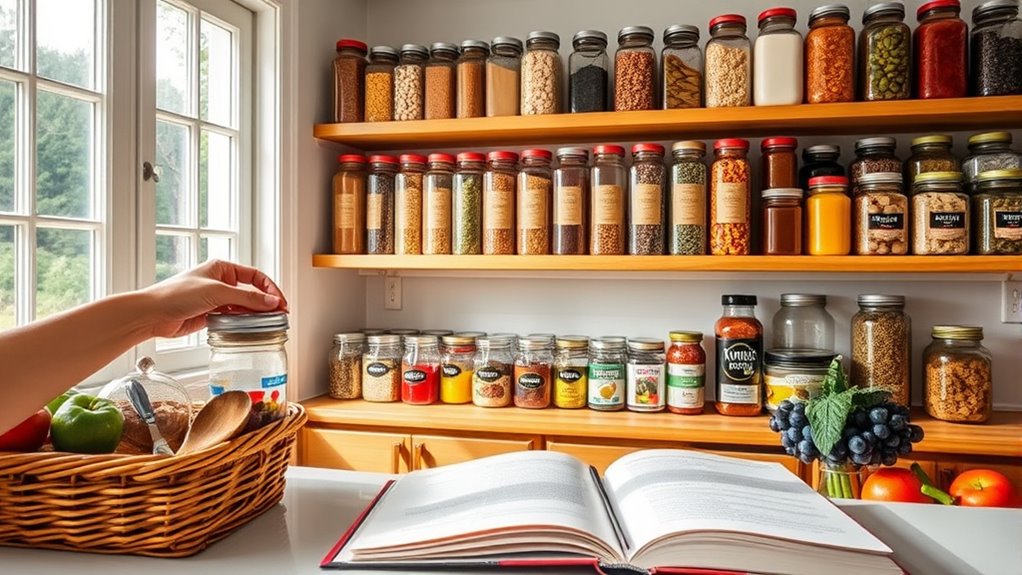
Now that you’ve got a clean slate, take a moment to wipe down the shelves. Food particles and spills can accumulate over time, and a clean surface will help keep your pantry organized. Once everything’s clean, it’s time to sort through the items you want to keep. Group similar products together—canned goods, grains, snacks, and spices can each have their own designated section. This will be helpful when it comes to meal prep; having everything organized makes it easier to plan your meals.
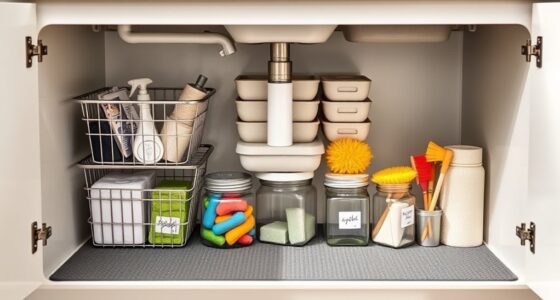
When you’re organizing, think about your storage solutions. Consider investing in bins or containers to keep things tidy. Clear containers let you see what you have at a glance, which is especially useful for dry goods like pasta and rice. Labeling the containers can also save you time searching for items later. You want to make it as easy as possible to grab what you need when you’re preparing meals.
As you restock your pantry, think about what you actually use. If you’ve got items that have been sitting there for months without a second glance, maybe it’s time to let them go. Focus on ingredients that align with your meal prep routines. If you often cook with certain spices or grains, keep those front and center. You’ll want easy access to the items that fuel your cooking adventures.
When it comes to maximizing space, consider stacking containers or using shelf risers. You can take advantage of vertical space and create more room for your essentials. Don’t forget about the door—many pantries have shelves on the inside of the door, which can be perfect for storing smaller items like spices or snacks.
Finally, make a habit of reassessing your pantry regularly. A quick check every few months can prevent clutter from sneaking back in. Keeping your pantry organized will not only streamline your meal prep but also make cooking a more enjoyable experience. With a little effort, you’ll create a space that’s functional and inspiring. Remember, safe operating procedures for handling and storing food can also enhance your pantry’s efficiency and hygiene.

Walfos Silicone Trivet Mats - 4 Heat Resistant Pot Holders, Multipurpose Non-Slip Hot Pads for Kitchen Potholders, Hot Dishers, Jar Opener, Spoon Holder, Food Grade Silicone & BPA Free (Black)
- Heat Resistant Range: -104℉ to 446℉
- Non-Slip Design: Prevents slipping and sliding
- Food Grade Silicone: BPA free and safe for food contact
As an affiliate, we earn on qualifying purchases.
Frequently Asked Questions
How Often Should I Clean My Pantry?
You should aim for a pantry cleaning schedule every six months. This gives you a chance to reassess your stock and toss anything expired. Additionally, consider a seasonal pantry overhaul at the start of each season. This way, you can refresh your organization and make space for seasonal ingredients. By keeping to this routine, you’ll guarantee your pantry stays functional and clutter-free, making meal prep easier and more enjoyable for you.
What Should I Do With Expired Items?
When you spot expired items, don’t hesitate to toss them out. Expiration dates indicate when products are no longer safe to consume, so it’s essential to dispose of them properly. Check your local guidelines for safe disposal methods, as some items might need special handling. As you clear out those expired products, you’ll create space for fresher, healthier options that’ll keep your pantry organized and inviting to use.
Can I Donate Opened Food Items?
You can’t donate opened food items due to open food safety concerns. Most donation guidelines require that food be sealed and in its original packaging to guarantee safety for recipients. If you’ve got opened items, consider using them yourself or sharing with friends and family. Always prioritize safety when it comes to food donations, and check with local food banks for specific policies on what they can accept.
How to Store Pantry Items to Prevent Pests?
To prevent pests, store pantry items in airtight containers. Glass or heavy-duty plastic works best, as it keeps food fresh and blocks pests. Label your containers to maintain organization and avoid confusion. Keep your pantry clean by wiping up spills immediately and checking for expired items regularly. Additionally, consider using bay leaves in your storage, as they can deter pests. These storage tips will help you maintain a pest-free pantry environment.
What Containers Are Best for Pantry Organization?
When it comes to pantry organization, think of it as a treasure chest for your kitchen. Airtight containers are your best friends; they keep food fresh and pests at bay. Clear bins help you see what you’ve got at a glance, making it easier to grab what you need. Mix and match sizes for different items, and label everything to maintain that organized vibe. You’ll turn chaos into culinary harmony in no time!

6 Pack Silicone Trivet Mat, Silicone Trivets for Hot Pots and Pans, Multipurpose Non-Slip & Heat Resistant Silicone Hot Pad for Kitchen Counter
- Food-grade Silicone Material: Soft, lightweight, durable, vibrant colors
- Easy to Clean: Resists stains, washable, quick drying
- Heat Resistant Up to 446℉: Protects surfaces from hot pots and pans
As an affiliate, we earn on qualifying purchases.
Conclusion
Now that you’ve tackled your pantry, you can enjoy a clutter-free space that makes meal prep a breeze. Keeping it organized is an ongoing process, but with regular check-ins and a commitment to staying on top of things, it’ll be a cinch. So, why not turn this newfound order into a fun routine? Embrace your organized pantry and make cooking an enjoyable experience. You’ll wonder how you ever managed without it!

Kodreat 4 Pack Silicone Trivets for Hot Dishes
- Heat-Resistant Silicone: Withstands -104℉ to 446℉
- Non-Slip Surface: Prevents slips, spills, and burns
- Food-Grade & BPA-Free: Safe, flexible, and durable material
As an affiliate, we earn on qualifying purchases.

OVENTE Electric Sandwich Maker, 750W Non-Stick Plates, Black GPS401B
- Quickly Makes Hot Sandwiches: Prepare toasted sandwiches in minutes
- Multi-Use Cooking: Cook omelets and French toast
- Durable Stainless Steel: Made of heat-resistant stainless steel
As an affiliate, we earn on qualifying purchases.