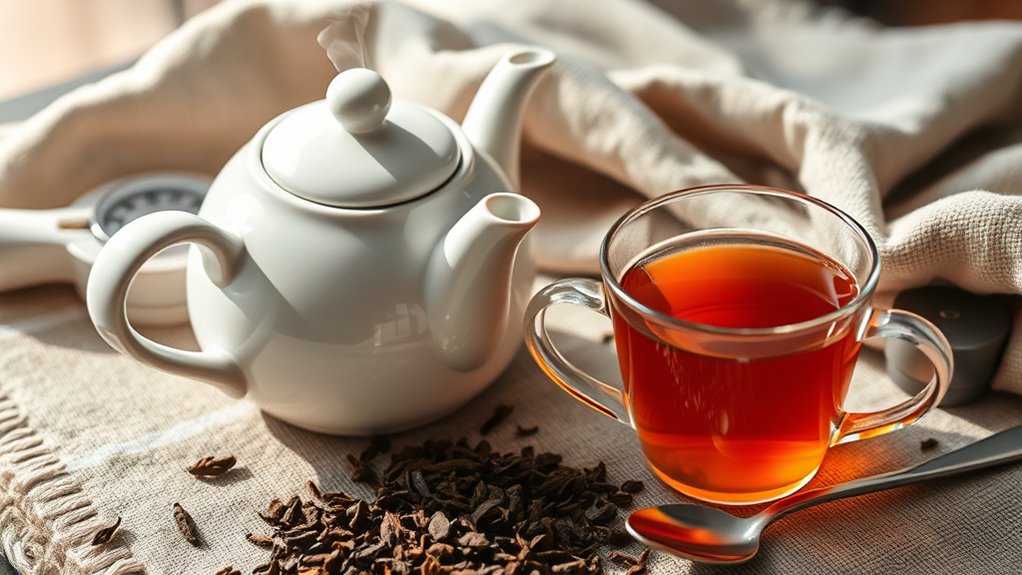

To brew the perfect cup of tea at home, start with fresh, high-quality leaves stored properly in an airtight container. Use the right water temperature for your tea type to avoid bitterness and maximize flavor. Measure your tea carefully—about one teaspoon per cup—and keep an eye on steeping time, using a timer for precision. Finally, customize your brew with sweeteners, lemon, or mint. Keep these tips in mind, and you’ll uncover a rich, satisfying tea experience every time.

Get kitchen gear delivered free — and shop member deals
- Fast, free delivery on millions of items
- Access to Prime Big Deal Days deals on October 6–7
- Prime Video, Amazon Music and more included
Key Takeaways
- Choose fresh, high-quality tea leaves and store them properly to preserve flavor and aroma.
- Use the correct water temperature based on the tea type to optimize flavor extraction.
- Measure the right tea-to-water ratio for a balanced and flavorful brew.
- Steep for the appropriate time to prevent bitterness and enhance taste.
- Personalize your tea with additions like sweeteners, lemon, or mint to suit your preferences.
Choose Fresh, Quality Tea Leaves
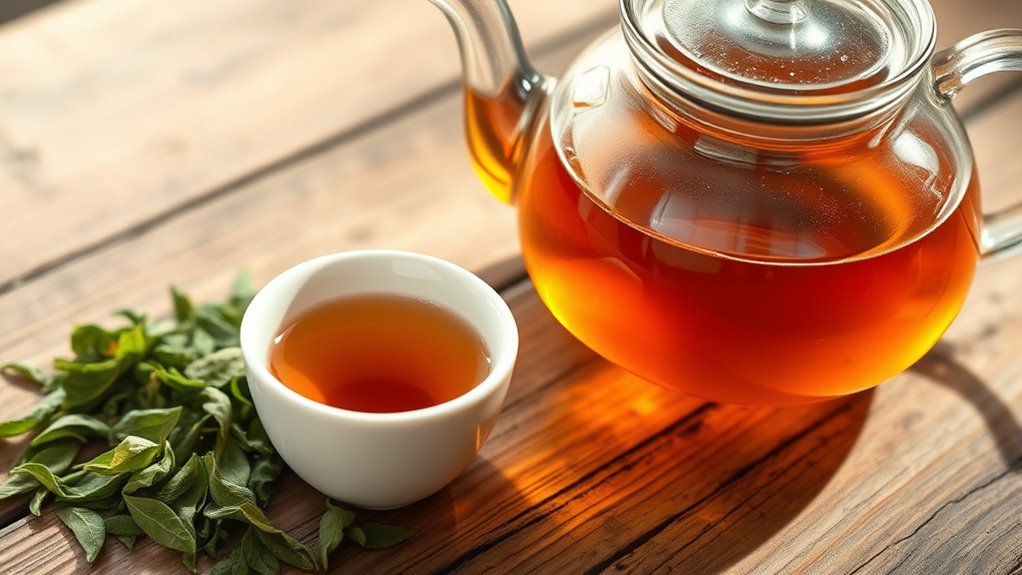
Choosing fresh, high-quality tea leaves is the foundation of a great cup of tea. When you select premium tea leaves, you guarantee better flavor enhancement and a more vibrant taste. Proper tea leaf storage is essential; keep your tea in an airtight container away from light, moisture, and strong odors to preserve its freshness. Fresh leaves contain essential oils that provide aroma and depth, which diminish over time. To maintain optimal flavor, understanding tea leaf storage techniques is crucial; improper storage can lead to flavor loss. proper storage techniques help prevent oxidation and preserve the tea’s natural qualities. If your tea has lost its freshness, the resulting brew will lack the complexity and richness you’re aiming for. Investing in good-quality tea leaves and storing them correctly assures a more flavorful experience every time you brew. Remember, the quality of your tea leaves directly impacts the final taste, making it worth paying attention to both selection and storage. Natural preservation methods can help maintain the tea’s freshness for longer periods. Additionally, storage conditions are crucial for prolonging freshness and flavor. Incorporating airtight containers specifically designed for tea storage can further enhance preservation.
Use the Right Water Temperature
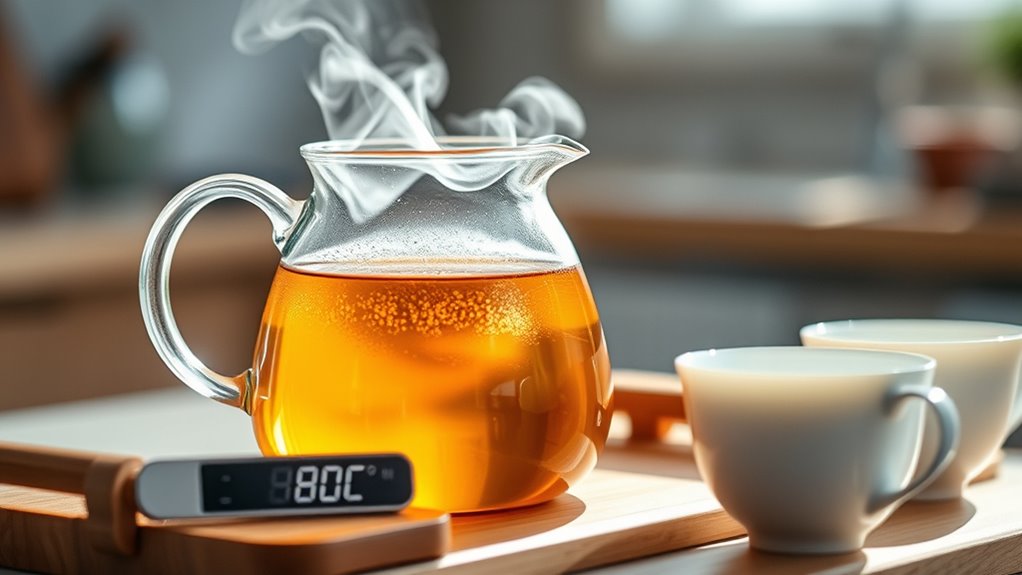
The temperature of the water you use plays a pivotal role in extracting the full flavor from your tea leaves. Too hot or too cold, and you risk under- or over-extracting, which affects taste. The ideal temperature varies depending on the tea type, but generally, hotter water releases more robust flavors, especially for black and oolong teas. Keep in mind, water mineral content influences how well flavors dissolve—hard water can mute delicate notes. Also, the size of your tea leaves impacts how quickly they infuse; smaller leaves need slightly lower temperatures to prevent bitterness. To optimize your brew, consider these tips:
Optimal tea flavor extraction depends on water temperature, mineral content, and leaf size.
- Use fresh, filtered water for clarity
- Adjust temperature based on tea type
- Avoid boiling water for green teas
- Monitor water mineral content
- Match water temperature to tea leaf size
- Be aware of the water temperature’s effect on extraction efficiency for different teas
- Understanding water mineral content can help you select the best water for your brewing preferences
- Being mindful of water temperature also helps prevent over-extraction, which can lead to bitter flavors.
- Additionally, being aware of water quality can further enhance your tea brewing experience.
Measure the Perfect Tea-to-Water Ratio
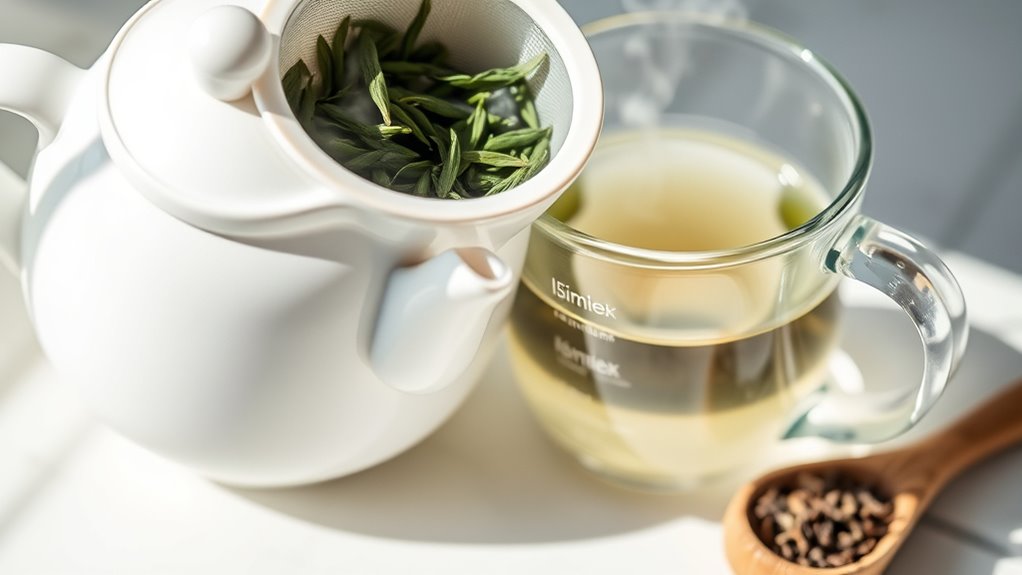
Getting the right tea-to-water ratio is essential for brewing a flavorful cup. Start by measuring about one teaspoon of tea leaves per cup, but adjust based on your preference. Proper tea leaf storage keeps your leaves fresh and aromatic, ensuring you get the best flavor with each brew. Remember, water quality makes a difference—use fresh, filtered water to prevent off-flavors and enhance the tea’s natural taste. Too much tea can make your brew bitter, while too little may result in a weak flavor. Find the perfect balance by experimenting with the amount of tea leaves and water until it suits your taste. Accurate measurement and quality ingredients are key to achieving that ideal, satisfying cup every time. Regular cleaning of your brewing tools can also prevent residual flavors from affecting your next cup, much like preventive maintenance in automotive repair. Additionally, understanding sound healing science can create a more calming and meditative tea brewing experience. Incorporating mindful brewing techniques can further enhance your sensory connection and elevate the overall tea-drinking ritual. Developing an awareness of mental wellbeing can help you enjoy the process more mindfully, turning tea brewing into a relaxing and restorative practice. Being aware of equipment maintenance ensures your tools stay in optimal condition, helping you consistently brew excellent tea.
Control Steeping Time for Optimal Flavor
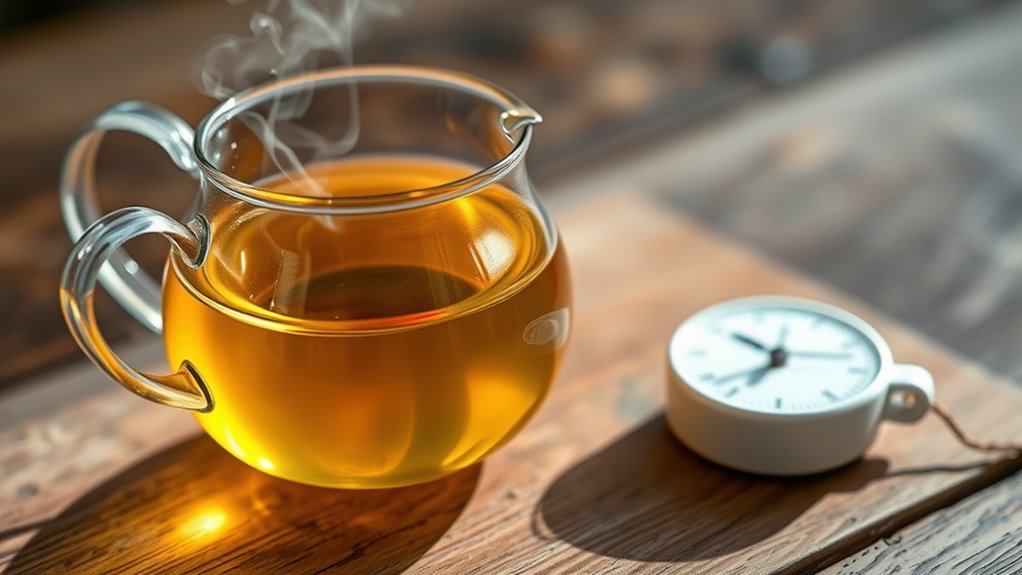
Controlling steeping time is essential to unleashing the full flavor of your tea. The right steeping duration guarantees optimal flavor extraction without bitterness or weak notes. To perfect your brew, keep a close eye on the clock, especially with delicate teas like green or white varieties. Additionally, understanding the benefits of curiosity can encourage you to experiment with different steeping times to discover your perfect cup. Using a timer helps prevent over-steeping and ensures consistency in every brew. Adjust steeping time based on tea type, taste periodically for personal preference, remember that longer isn’t always better, and consider the tea’s recommended steeping duration for best results. Being aware of passive voice detection can also help you craft clearer, more direct instructions for your tea-making process. Exploring net worth growth hacks can inspire you to improve your overall approach to tea brewing and experimentation. Incorporating home decor elements like the elegant leather bar cart or botanical art can create an inviting atmosphere for your tea sessions, making the experience even more enjoyable. Recognizing the importance of quality assessment can guide you in selecting the best teas for brewing.
Customize Your Brew With Additions and Adjustments
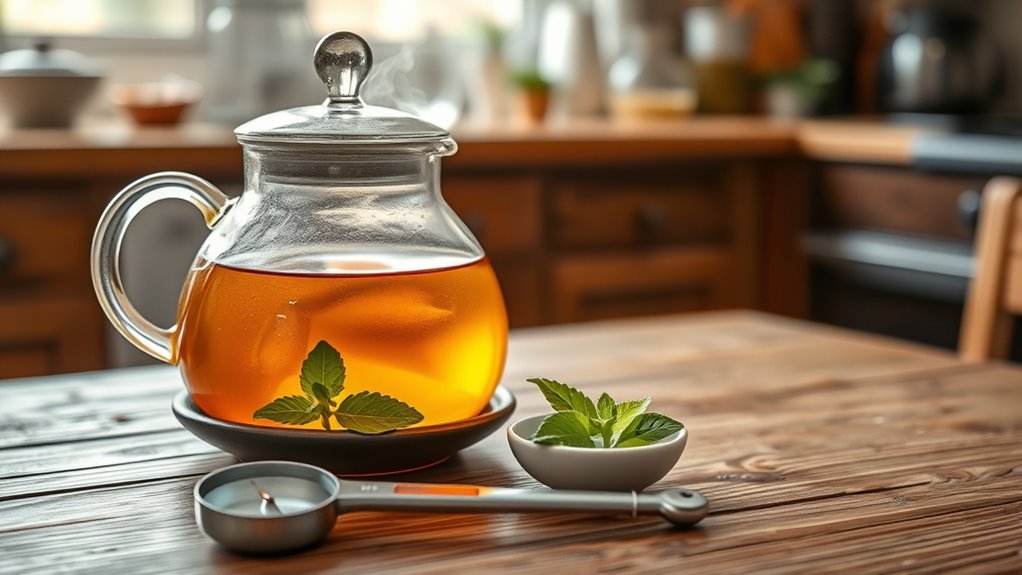
Enhancing your tea’s flavor and aroma often involves customizing your brew with various additions and adjustments. You can tailor sweetness, texture, and complexity by adding sweeteners and additives like honey, sugar, or lemon. Also, adjusting brewing equipment options, such as using a different teapot or infuser, impacts flavor extraction. Consider the following options:
| Additions & Adjustments | Effects |
|---|---|
| Honey or Sugar | Sweetness and smoothness |
| Lemon or Mint | Brightness and freshness |
| Different Teapots | Alters steeping and flavor |
Choosing the right sweeteners, additives, and equipment lets you craft a tea that perfectly suits your taste. Experimenting with these adjustments elevates your brewing experience and results in a personalized, flavorful cup. Additionally, understanding the steeping process can help you optimize flavor extraction for your preferred taste profile.
Frequently Asked Questions
Can I Reuse Tea Leaves for Multiple Brews?
Yes, you can reuse tea leaves for multiple brews. Freshness matters; the first steep offers the strongest flavor, while subsequent brews have a milder taste. To get the best reuse flavor profile, use quality tea leaves and avoid over-steeping. Keep in mind that the flavor weakens with each reuse, but if you enjoy subtler notes, this is a great way to maximize your tea.
What Are the Best Storage Methods for Tea Leaves?
To keep your tea leaf freshness, store them in airtight containers like a metal tin, glass jar, or vacuum-sealed bag, away from light, heat, and moisture. Avoid plastic containers that might absorb odors. Keep your tea in a cool, dark place, such as a pantry or cupboard, to preserve flavor and aroma. Proper storage makes certain your tea remains fresh and flavorful for multiple brews.
How Does Water Mineral Content Affect Tea Flavor?
Think of water mineralization as the seasoning for your tea; it can make or break the flavor. If your water has high mineral content, it may overshadow delicate notes, dulling the taste. Conversely, mineral-rich water can enhance robustness and add complexity. To get the best flavor, use water with balanced mineralization, allowing the tea’s natural flavors to shine through and creating a truly satisfying brew.
Are There Health Benefits to Brewing Certain Types of Tea?
Yes, brewing certain teas offers health benefits. You can enjoy antioxidant properties that help protect your cells from damage, boosting your immune system. Additionally, different teas have varying caffeine levels, which can improve alertness without causing jitters. Drinking green or white tea regularly may support heart health, while herbal teas can aid digestion. By choosing the right tea, you can enhance your well-being while savoring a flavorful cup.
How Can I Tell if My Tea Is Over- or Under-Brewed?
Think of tea like a painting—over-steeped, it turns muddy; under-steeped, it’s pale. You’ll notice over-brewed tea has a dark, dull color and a bitter taste, while under-brewed tea looks pale and lacks flavor. To avoid this, monitor your steeping time carefully. If your tea tastes sharp or sour, it’s under-brewed. If it’s bitter and dull, it’s over-brewed. Adjust your steeping time for perfect balance.
Conclusion
Now that you know these simple secrets, your tea will sing with flavor like a well-tuned orchestra. Think of your brew as a delicate dance—each step, from leaf to cup, shaping a symphony of taste. With fresh leaves, perfect temperature, and just the right steep, you’re the maestro. So go ahead, craft your masterpiece, and let each sip transport you to a tranquil garden or bustling café—your perfect cup awaits.
Fall Picks
fall essentials
As an affiliate, we earn on qualifying purchases.