
TL;DR

Get kitchen gear delivered free — and shop member deals
- Fast, free delivery on millions of items
- Access to Prime Big Deal Days deals on October 6–7
- Prime Video, Amazon Music and more included
A new collection of recipes for the Tuxedo No. 2 cocktail has been announced, providing updated methods for making this vintage drink. The release aims to revive interest among bartenders and cocktail enthusiasts.
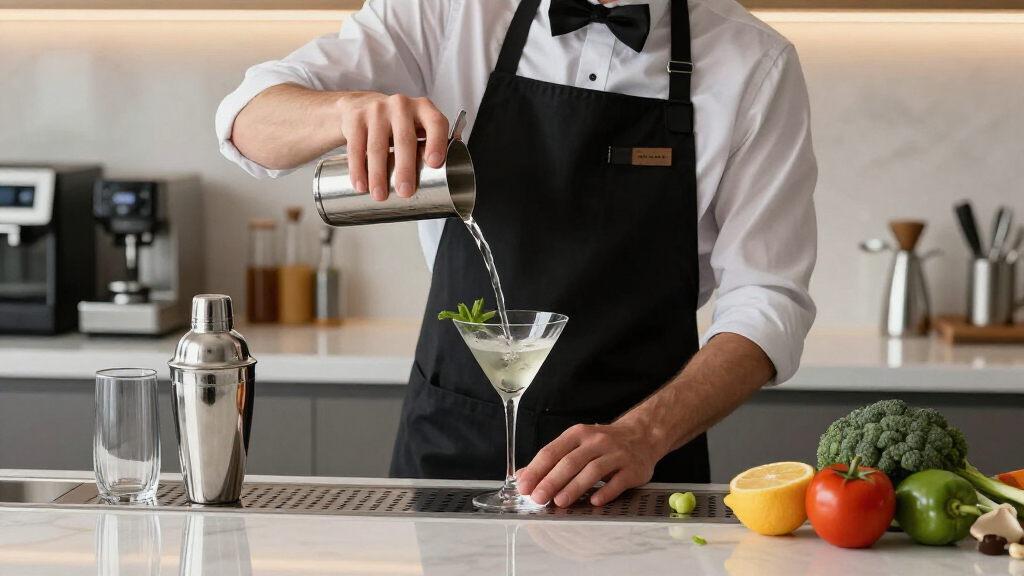
Several renowned bartending publications have released new recipes for the Tuxedo No. 2 cocktail, aiming to modernize and popularize this vintage drink among contemporary audiences. Learn more about this 2-ingredient cocktail.
The recipes, published by Mixology Monthly and other industry sources, include variations with different spirits and garnishes, reflecting evolving tastes and bartending techniques. The release is part of a broader effort to revive classic cocktails and adapt them for modern drinkers.
According to Mixology Monthly, the new recipes have been tested by professional bartenders and are intended to provide both traditional and innovative options for serving the Tuxedo No. 2. The cocktail, historically dating back to the early 20th century, is known for its elegant presentation and balanced flavor profile.
Reviving Classic Cocktails in Modern Bars
The release of new Tuxedo No. 2 recipes signifies a broader trend of reinterpreting historical cocktails, which can influence bartending practices and consumer preferences. It offers bartenders fresh tools to attract customers interested in vintage and craft cocktails, potentially boosting interest in cocktail history and mixology innovation.
As an affiliate, we earn on qualifying purchases.
Historical Roots and Recent Revival of Tuxedo No. 2
The Tuxedo No. 2 cocktail originated in the early 1900s, gaining popularity in upscale bars and among cocktail connoisseurs. Traditionally made with gin, vermouth, and orange bitters, it was known for its sophisticated presentation. Over recent years, there has been a resurgence of interest in vintage drinks, driven by craft bartenders and cocktail enthusiasts seeking authentic and creative experiences.
Previous efforts to modernize classic cocktails have included introducing new ingredients or presentation styles, which have helped sustain their relevance in contemporary bars. The recent publication of updated recipes for the Tuxedo No. 2 continues this trend, emphasizing both tradition and innovation.
As an affiliate, we earn on qualifying purchases.
Details of the New Recipes and Their Reception
While the recipes have been published and tested by some bartenders, it is not yet clear how widely they will be adopted or how consumers will respond to the new variations. The long-term impact on the cocktail’s popularity remains uncertain.
As an affiliate, we earn on qualifying purchases.
Expected Adoption and Future Cocktail Trends
Bar professionals and cocktail enthusiasts are expected to experiment with the new recipes, potentially leading to new menu offerings in bars globally. Further feedback from the industry and consumers will determine whether the Tuxedo No. 2’s renewed popularity persists.
As an affiliate, we earn on qualifying purchases.
Key Questions
What ingredients are included in the new Tuxedo No. 2 recipes?
The recipes typically include gin, dry vermouth, orange bitters, and optional garnishes like lemon twist or cherry, with variations experimenting with different spirits and mixers.
How do the new recipes differ from traditional Tuxedo No. 2 versions?
They incorporate modern twists, such as alternative spirits or additional flavoring agents, while maintaining the cocktail’s classic balance and presentation style.
Why is there renewed interest in the Tuxedo No. 2 now?
The revival aligns with a broader trend of rediscovering vintage cocktails, driven by craft bartenders and consumers seeking authentic and sophisticated drinking experiences.
Will these new recipes replace older versions in bars?
It is unlikely they will replace traditional recipes entirely; instead, they will serve as additional options for bartenders and patrons to explore.
Are these recipes suitable for home bartenders?
Yes, the recipes are generally straightforward, but some variations may require specialized ingredients or techniques best suited for experienced home bartenders or professionals.
Source: hn
Fall Picks
fall essentials
As an affiliate, we earn on qualifying purchases.