Steam injection improves your bread baking by creating a moist environment that helps dough expand fully without tearing, leading to higher rise and a uniform shape. It delays crust formation, allowing better oven spring and a more open crumb. Steam also enhances crust texture, giving it a glossy, golden finish and deeper caramelization. Mastering steam control can elevate your baking results, making your loaves look professional and delicious—if you keep exploring, you’ll discover how to perfect this technique even further.
Key Takeaways
- Steam delays crust formation, allowing the dough to expand fully for a lighter, more open crumb.
- It promotes gluten development and elasticity, resulting in better dough response and higher rise.
- Steam enhances crust color, shine, and crunch by facilitating caramelization and starch gelatinization.
- Proper steam control ensures consistent baking, improving crust quality and overall loaf appearance.
- Mastering steam injection elevates bread baking to professional standards with improved texture and aesthetic appeal.
Have you ever wondered how professional bakeries achieve their signature shiny, crusty bread? The secret often lies in the way they manage steam during baking. When you incorporate steam injection into your baking process, it dramatically influences the final result in several ways. First, it impacts dough fermentation before baking even begins. While fermentation primarily occurs beforehand, the environment you create during baking, especially with steam, affects how the dough responds. Steam helps keep the surface of the dough moist in the initial stages of baking, allowing it to expand fully without tearing. This controlled environment encourages better gluten development, resulting in a more elastic dough that can rise higher and form a more uniform shape.
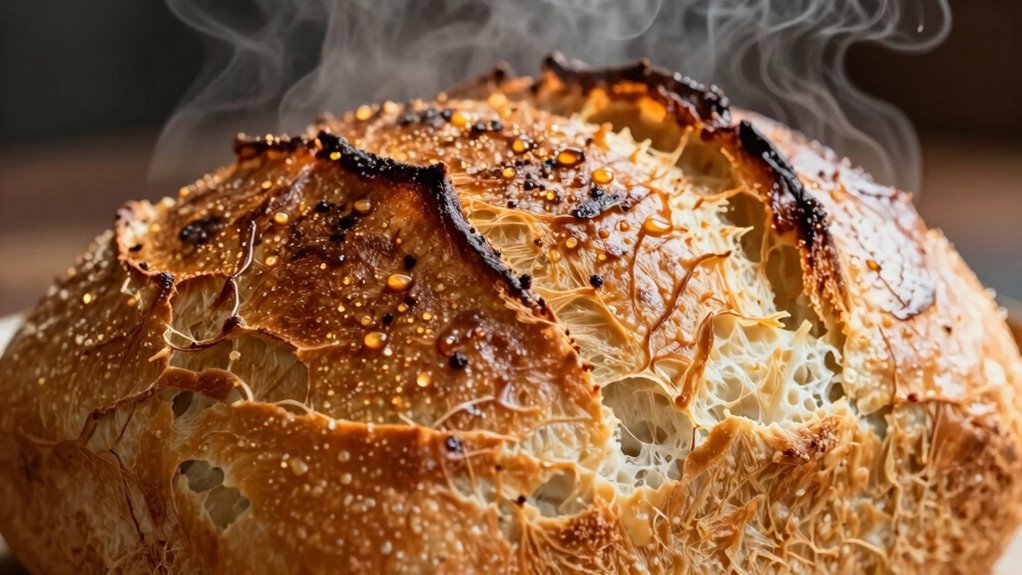
As the bread begins to bake, the presence of steam becomes crucial for crust development. When you introduce steam into the oven, it creates a humid environment that delays the formation of the crust. This delay is beneficial because it allows the bread to expand fully in the oven’s early stages—what bakers call oven spring. Without enough moisture, the crust tends to set prematurely, restricting expansion and producing a flatter loaf. With steam, the crust remains softer longer, giving the bread room to grow and develop a more open crumb. Once the moisture evaporates and the crust starts to set, it dries and forms that characteristic shiny, golden-brown exterior.
The process of crust development is also enhanced by steam because the moisture facilitates starch gelatinization on the surface. This reaction creates a glossy, appealing finish and contributes to the crunchiness you associate with artisanal bread. Moreover, steam helps caramelize the sugars in the crust, deepening its color and flavor. If you’re baking in a traditional oven without steam, you might notice a duller crust that lacks the depth and crunch you desire. By injecting steam at the right moments, you ensure your bread not only looks professional but also has the complex textures and flavors that make it stand out.
Additionally, understanding how to control steam injection timing and amount can help you achieve consistent results. Proper temperature control during baking is essential for managing how steam affects the crust and crumb. It is also important to consider the overall baking environment, as factors like oven type and humidity levels can influence how well your bread develops. A well-regulated environment that includes humidity management can significantly improve your baking outcomes. Good knowledge of oven dynamics helps in adjusting the process to get the desired crust and crumb. In essence, steam injection transforms the baking process by optimizing dough fermentation’s effects during baking and promoting superior crust development. It’s a simple addition that makes a significant difference, giving your bread the shine, crust, and rise that rival those from professional bakeries. When you master the timing and amount of steam, you gain control over your bread’s final appearance and texture, elevating your baking to a new level of excellence.
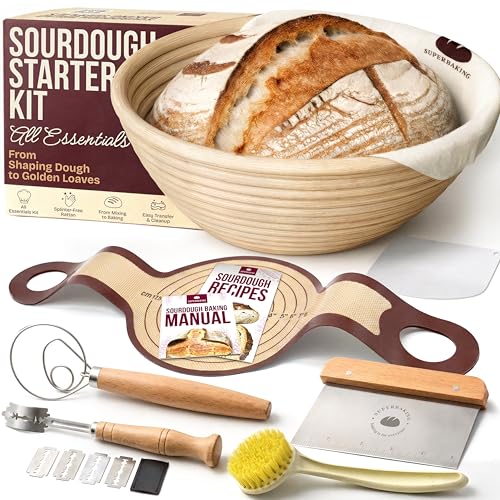
Superbaking Sourdough Starter Kit, 9" Round Banneton Proofing Basket
- Complete Baking Kit: Includes proofing basket and tools
- Splinter-Free Rattan: Made of polished Indonesian Rattan
- Safe, Clean Release: Polished finish for easy handling
As an affiliate, we earn on qualifying purchases.
As an affiliate, we earn on qualifying purchases.
Frequently Asked Questions
Does Steam Injection Affect Bread Crust Color?
Yes, steam injection affects bread crust color by enhancing crust glossiness and boosting color development. The moisture creates a humid environment that delays crust formation initially, allowing the bread to expand fully. As the crust forms, the steam promotes caramelization and Maillard reactions, resulting in a richer, more appealing color. This process leads to a beautifully glossy crust with a deep, inviting hue, making your bread visually more attractive.
Can Steam Injection Reduce Baking Time?
Yes, steam injection can reduce baking time. When you introduce steam, it keeps the oven temperature consistent and creates a moist environment, which helps the dough expand quickly. This results in a thinner crust and faster baking. The moisture also delays crust formation, allowing the bread to develop a better oven spring. As a result, your bread bakes more efficiently, with ideal crust thickness and a nicely risen interior.
Is Steam Injection Suitable for All Bread Types?
Steam injection isn’t suitable for all bread types, especially those that require a dry crust. You should consider alternative baking methods depending on your bread type considerations. For example, rustic bread benefits from steam to develop a crust, but delicate pastries or enriched breads might not need it. Always tailor your approach to the specific bread you’re making, as some recipes respond better to steam than others.
How Does Steam Influence Dough Fermentation?
Think of steam as a gentle coach for your dough, boosting dough hydration and encouraging yeast activity. When you introduce steam, it creates a moist environment that keeps the dough surface supple, allowing gases from fermentation to expand more freely. This results in better oven spring and a lighter crumb. Without steam, the crust might form too quickly, slowing yeast activity and limiting fermentation’s full potential.
What Equipment Is Needed for Steam Injection?
To use steam injection, you’ll need specific equipment like a steam injection system or a baker’s spray. Steam injection equipment typically includes a boiler or steam generator, a delivery pipe, and a valve to control steam flow. Alternatively, you can use a baker’s spray, which is a handheld device that sprays water into the oven to create steam. Both methods help improve crust quality and oven spring.

Cuisinart CSO-300N Convection Steam Oven, Stainless Steel
- Steam Duration: 120 minutes of continuous steam
- Bread Proofing: Specialized bread proofing technology
- Cooking Speed: Cooks up to 40% faster
As an affiliate, we earn on qualifying purchases.
As an affiliate, we earn on qualifying purchases.
Conclusion
By injecting steam into your oven, you markedly improve your bread’s crust and overall texture. Imagine baking a rustic sourdough; with steam, the crust becomes irresistibly crispy, and the interior stays moist and airy. Like a baker who tried steam injection for the first time, you’ll notice a professional-quality finish that elevates your baking game. So, give it a shot—your bread will thank you with a perfect, bakery-style crust every time.

"SAINT GERMAIN Premium Hand Crafted Bread Lame for Dough Scoring Knife, Lame Bread Tool for Sourdough Bread Slashing with 10 Blades Included with Replacement with Authentic Leather Protector Cover"
- Premium Handcrafted Design: Wood handle with stainless steel stick
- Ergonomic and Secure Grip: Comfortable handle for precise scoring
- Lifetime Warranty on Blades: Includes 10 replaceable blades with warranty
As an affiliate, we earn on qualifying purchases.
As an affiliate, we earn on qualifying purchases.
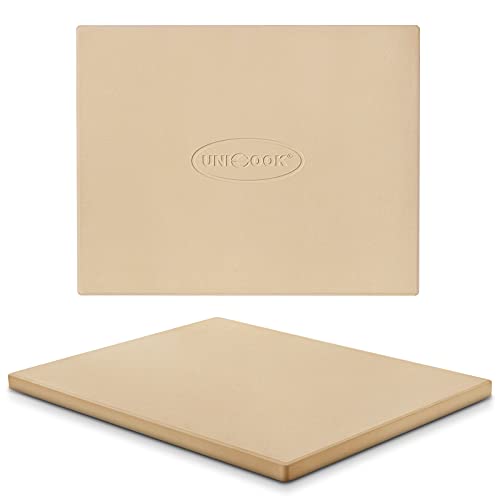
Unicook 15 x 12 Inch Rectangular Pizza Stone for Oven and Grill, 6.8 Lbs
- Rectangular Baking Surface: 15 x 12 inches, 0.6 inch thick
- Heavy Duty Material: Made of durable Cordierite
- High Temperature Resistance: Up to 1450°F (787°C)
As an affiliate, we earn on qualifying purchases.
As an affiliate, we earn on qualifying purchases.