Avoid common cooking mistakes by paying attention to seasoning, ingredient substitutions, cooking times, and prep work. Start with small amounts of seasoning to adjust flavors gradually. When substituting ingredients, consider their flavor profiles to maintain balance. Don’t rush cooking times; use a timer to ensure everything is properly cooked. Finally, prep your ingredients beforehand to streamline your cooking process. These tips can elevate your meals. There’s more to explore on how to sharpen your kitchen skills.

Get kitchen gear delivered free — and shop member deals
- Fast, free delivery on millions of items
- Access to Prime Big Deal Days deals on October 6–7
- Prime Video, Amazon Music and more included
Key Takeaways
- Always taste as you cook to adjust seasoning gradually and avoid bland or overwhelming flavors.
- Choose ingredient substitutions carefully, matching flavors and textures to maintain dish integrity.
- Allow adequate cooking times for each ingredient to ensure food is properly cooked and safe to eat.
- Prepare ingredients in advance to streamline cooking and minimize chaos in the kitchen.
- Be aware of common mistakes to enhance your cooking skills and overall enjoyment of the process.

Cooking can be a delightful experience, but if you’re not careful, you might fall into a few common traps. One of the most frequent mistakes people make is with seasoning errors. You might think a pinch of salt or a sprinkle of herbs will do the trick, but under-seasoning can leave your dish bland, while over-seasoning can overwhelm it. The key is to taste as you go. Start with a small amount of seasoning, and gradually adjust until you find the right balance. Remember, you can always add more, but taking it out is nearly impossible.
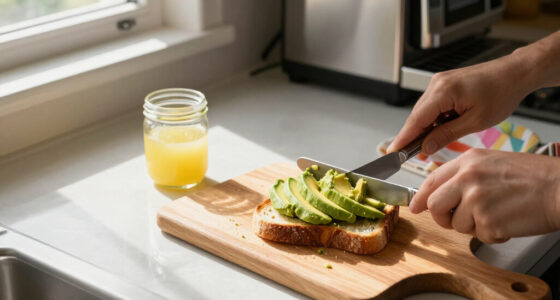
Another common pitfall is how you handle ingredient substitutions. Sure, you might run out of a specific spice or vegetable while cooking, but substituting without considering the flavor profile can lead to disastrous results. For instance, swapping out fresh basil for dried basil might seem harmless, but the intensity of flavors will be noticeably different. When you need to make substitutions, try to match the flavors as closely as possible. If you’re out of a particular ingredient, think about what you have on hand that could provide a similar taste or texture. This can not only save your dish but also spark creativity in your cooking.
Moreover, cooking times are often underestimated. You might be enthusiastic to see your meal on the table, but rushing through can lead to undercooked meat or vegetables. It’s essential to follow the recommended cooking times for each ingredient. Use a timer to keep yourself accountable, and don’t be afraid to check for doneness. Investing a little extra time ensures a flavorful and safe dish, allowing you to enjoy the process as much as the final result.
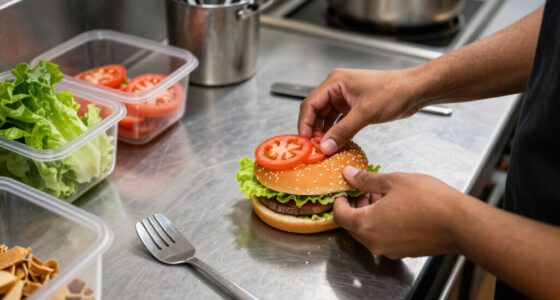
Lastly, let’s not forget about the importance of prep work. Skipping this step can cause chaos in the kitchen. If you chop your vegetables and measure out your spices before you start cooking, you’ll find the process much smoother. It allows you to focus on cooking rather than scrambling to gather everything together.
As an affiliate, we earn on qualifying purchases.
Frequently Asked Questions
What Are Some Common Signs of Food Spoilage?
You can spot signs of food spoilage by checking for a foul food odor or a change in texture. If you see mold appearing on fruits, bread, or leftovers, it’s a definite red flag. Also, if food looks slimy or discolored, it’s best to toss it. Always trust your senses; if something seems off, don’t take chances. Food safety’s important, and it’s better to be safe than sorry when it comes to eating.
How Can I Best Store Leftovers for Freshness?
Think of your leftovers as precious gems; you wouldn’t leave them exposed to the elements, right? To keep those culinary treasures fresh, store them in airtight containers. This shields them from air and moisture. Don’t forget proper labeling! Write the date and contents on each container so you’ll know what’s what. Treat your leftovers with care, and they’ll reward you with delicious meals for days to come.
What Kitchen Tools Do I Need for Beginners?
As a beginner, you’ll need a few essential utensils to get started in the kitchen. Grab a good chef’s knife, a cutting board, measuring cups and spoons, and a mixing bowl. Don’t forget a sturdy pot and a frying pan for cooking. A spatula and a wooden spoon will help you mix and flip ingredients easily. With these beginner essentials, you’ll be well on your way to whipping up delicious meals!
How Do I Know When My Food Is Fully Cooked?
To know when your food’s fully cooked, aim for the right cooking temperature—like 165°F for poultry, which helps prevent foodborne illnesses that affect one in six Americans each year. Check doneness indicators: juices should run clear for meats, while vegetables should be tender yet crisp. Use a meat thermometer for accuracy; it’s a simple tool that can save you from serving undercooked dishes. Trust your senses, too; smell and appearance matter!
What Are Some Easy Recipes for Novice Cooks?
If you’re just starting out, try simple pasta dishes like spaghetti aglio e olio—just cook pasta, sauté garlic in olive oil, and toss! Beginner salads are also great; mix greens, cherry tomatoes, and a simple vinaigrette. You can add ingredients like cucumbers or nuts for extra flavor. Don’t forget to season well! These recipes are quick, easy, and will help you build confidence in the kitchen without overwhelming you. Enjoy cooking!
As an affiliate, we earn on qualifying purchases.
Conclusion
So, you’ve mastered the art of cooking, right? Well, if you’re still making these common mistakes, it might be time to rethink your culinary prowess. Remember, the secret to perfecting your dishes isn’t just in the recipes but also in avoiding those pitfalls. Who knew that overcooking pasta or skimping on seasoning could turn you from a kitchen wizard into a mere microwave magician? Stay sharp, learn from these blunders, and you might just surprise yourself with a masterpiece!
ingredient substitution guidebook
As an affiliate, we earn on qualifying purchases.
As an affiliate, we earn on qualifying purchases.
As an affiliate, we earn on qualifying purchases.
Fall Picks
fall essentials
As an affiliate, we earn on qualifying purchases.