
TL;DR

Get kitchen gear delivered free with Prime
- Fast, free delivery on millions of items
- Prime Video, Amazon Music and more included
- Member-only deals all year
A trend is emerging among home cooks and chefs favoring skipping the traditional 3-step breading method for chicken. This new technique reportedly results in crispier chicken with less effort, sparking increased interest online. The development is based on a trend signal, but specifics remain unconfirmed.
Food enthusiasts and home cooks are increasingly exploring a new method for breaded chicken that bypasses the traditional three-step process, promising crisper results with less effort. This trend, observed through rising online searches and social media mentions, is sparking curiosity but remains unconfirmed by official culinary sources.
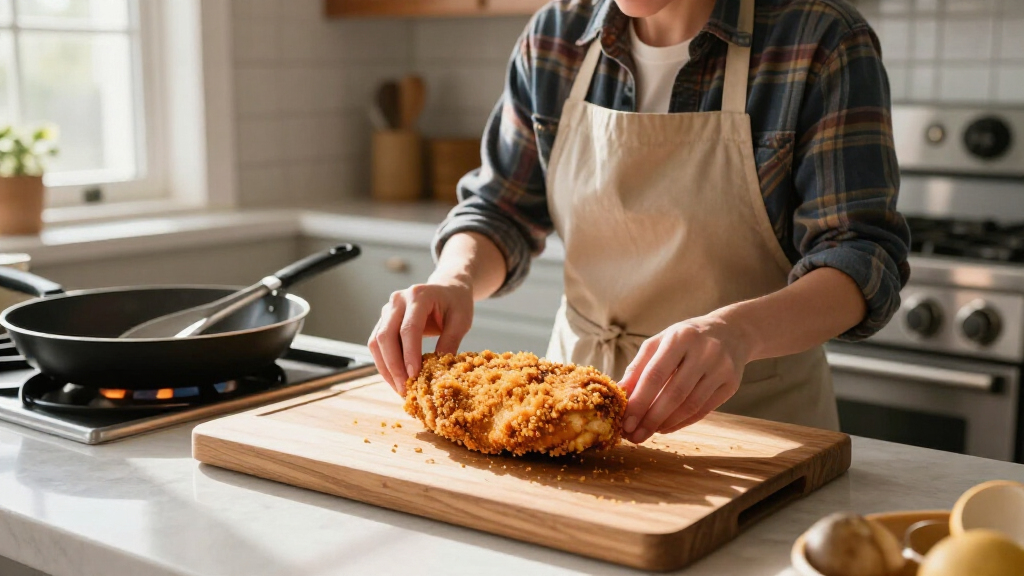
According to recent trend signals, a growing number of cooks are experimenting with skipping the conventional flour, egg wash, and breadcrumb coating sequence when preparing breaded chicken. Instead, some are using simplified techniques, such as directly applying seasoned breadcrumbs or using alternative coatings, which reportedly enhances the crispiness of the final product. The approach is gaining attention on social media platforms and cooking forums, with many claiming it saves time and yields superior crunch.
While specific recipes and methods are still being shared informally, the trend appears to be rooted in a desire for quicker, more efficient cooking without sacrificing texture. Food bloggers and amateur chefs are documenting their experiments, but no formal culinary authority has officially endorsed or analyzed this method yet. The rise in interest coincides with broader searches for easy, high-crisp recipes, especially among home cooks seeking restaurant-quality results at home.
It is important to note that the trend signal is based on search data and social media chatter, which do not yet constitute verified culinary innovations. No official studies or chef endorsements have confirmed the effectiveness of skipping the traditional breading steps, and some experts caution that results may vary depending on ingredients and cooking techniques.
Why Skipping the 3-Step Breading Matters
This emerging trend could influence home cooking practices by simplifying a traditionally time-consuming process, potentially making crispy breaded chicken more accessible. If validated, this approach might reduce preparation time and improve texture, appealing to busy cooks and those seeking restaurant-quality results without complex steps. However, without official testing or endorsement, it remains a hypothesis supported mainly by anecdotal reports and online interest.
Understanding whether this method can reliably produce crispier chicken could impact how recipes are developed and shared in the future. It also highlights a broader consumer desire for quick, effective cooking techniques that do not compromise on quality. Nonetheless, the trend’s current status as a signal rather than a confirmed technique means consumers should approach it with cautious optimism.
As an affiliate, we earn on qualifying purchases.
Rise in Interest Reflects Broader Food Trends
The trend toward simplified cooking methods aligns with ongoing shifts in food preparation, driven by social media and a desire for quick, satisfying meals. Over recent months, search interest in quick breaded chicken recipes has surged, with spikes coinciding with pandemic-era cooking booms and increased online recipe sharing. Traditionally, the three-step breading process—flour, egg, breadcrumbs—has been standard for achieving crispy chicken, but recent anecdotal reports suggest that some cooks are experimenting with skipping or modifying these steps.
While no formal culinary research has yet validated these claims, the pattern of interest indicates a broader appetite for streamlined cooking techniques that maintain or enhance texture. This trend is still in its early stages, with most evidence coming from social media chatter and search data rather than professional endorsements.
It is worth noting that culinary experts often recommend the traditional method for consistent results, but the current interest signals a willingness among consumers to explore alternatives, especially if they promise improved crispiness and convenience.
As an affiliate, we earn on qualifying purchases.
Unconfirmed Effectiveness of Skipping Breading Steps
It remains uncertain whether skipping the traditional three-step breading process consistently produces crispier chicken across different recipes and cooking methods. No scientific studies or culinary tests have validated this approach, and results may vary depending on ingredients, technique, and equipment. Experts advise caution and recommend testing small batches before full adoption.
As an affiliate, we earn on qualifying purchases.
Next Steps for Confirming the Trend’s Validity
Further testing by food scientists and culinary professionals will help determine the effectiveness of these simplified methods. As more cooks share their results, more structured evaluations and potential recipe adaptations may emerge. Consumers should monitor for verified findings before making widespread changes to their cooking routines.
As an affiliate, we earn on qualifying purchases.
Key Questions
Can skipping the traditional breading steps really make chicken crispier?
There is currently no scientific evidence confirming that skipping the usual flour, egg, and breadcrumb steps consistently results in crispier chicken. Most reports are anecdotal and based on personal experiments.
Is this method safe and suitable for all types of breaded chicken recipes?
Since the method is unverified, its safety and effectiveness depend on ingredients and cooking techniques used. It is advisable to follow food safety guidelines and conduct small tests before full implementation.
Will professional chefs endorse this new technique?
There is no current official endorsement from culinary authorities. Chefs may experiment with it, but widespread acceptance will depend on further validation and research.
What should I do if I want to try this method at home?
If interested, try pressing seasoned breadcrumbs directly onto seasoned chicken and cook as usual. Keep notes on the results and adjust ingredients or techniques as needed.
Source: rss
Halloween Picks
halloween
As an affiliate, we earn on qualifying purchases.