
TL;DR

Get kitchen gear delivered free with Prime
- Fast, free delivery on millions of items
- Prime Video, Amazon Music and more included
- Member-only deals all year
Search trends show a spike in interest for the old-fashioned Ritz Apple Pie, a recipe dating back to the Great Depression. People are sharing and making it again, but the reason for renewed interest is unclear.
Search interest in the Ritz Apple Pie, a recipe believed to originate during the Great Depression, has surged in recent weeks, according to online search data. This historic dessert, known for its simple ingredients and nostalgic appeal, is now being recreated by home bakers across the country. The exact reason for this renewed popularity remains unconfirmed, but the trend highlights a broader interest in vintage recipes and comfort foods.
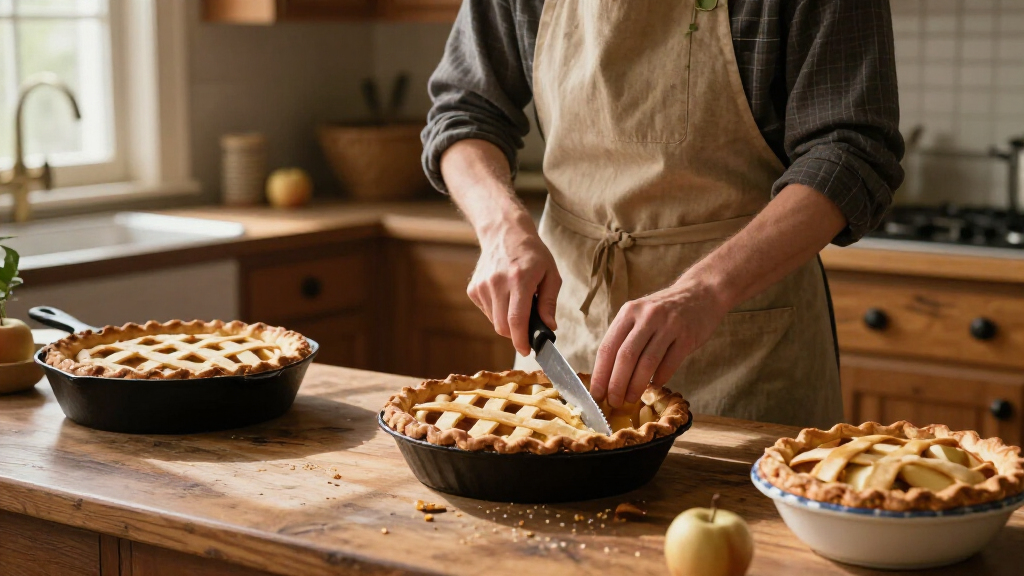
Data from search analytics platforms indicate a significant increase in queries related to the Ritz Apple Pie over the past month. Social media posts show home cooks sharing their own versions of the pie, often emphasizing its connection to the Great Depression era, when resourcefulness was key to making desserts with limited ingredients. The recipe typically involves using Ritz crackers as a crust or topping, combined with apples and simple sweeteners, reflecting the frugal ingenuity of the time.
Food historians note that while the exact origins of this pie are difficult to verify, it is widely regarded as a nostalgic comfort food that has persisted through generations. Some sources suggest that the recipe gained popularity during the 1930s due to its affordability and the availability of Ritz crackers, which were widely distributed during the economic hardship. However, the recent trend appears to be driven largely by social media sharing and a broader cultural nostalgia for vintage recipes, rather than a specific event or anniversary.
Experts say that the trend may also be linked to the current interest in home cooking and baking, fueled by factors such as pandemic-era restrictions and a desire for simple, comforting foods. Despite the lack of a confirmed origin story or specific catalyst, the resurgence of this historic dessert underscores a collective longing for culinary traditions from difficult times, adapted to modern kitchens.
Why the Revival of the Great Depression-Era Pie Matters
The renewed interest in the Ritz Apple Pie from the Great Depression highlights a broader cultural trend of seeking comfort through vintage recipes. It demonstrates how historical foods can serve as a connection to the past during uncertain times, offering a sense of stability and nostalgia. For food historians and culinary enthusiasts, this trend underscores the enduring appeal of resourceful, simple recipes that can be adapted to modern tastes. Additionally, it reflects a growing appreciation for homemade, traditional foods in an era dominated by processed and convenience foods, potentially influencing future culinary trends and home cooking practices.
As an affiliate, we earn on qualifying purchases.
Historical Roots and Modern Resurgence of Vintage Baking
The Ritz Apple Pie’s origins are not precisely documented, but it is generally associated with the 1930s, a period marked by economic hardship during the Great Depression. During this time, resourcefulness in the kitchen was essential, and recipes that used readily available ingredients like Ritz crackers became popular. The crackers served as a crust or topping, making the pie both affordable and easy to prepare. Over the decades, the recipe faded into obscurity but remained a nostalgic fixture among vintage recipe collections.
In recent years, there has been a growing movement to revive old-fashioned foods, driven by social media trends, food history enthusiasts, and a desire for comfort foods during challenging times. The current spike in searches and social media posts about Ritz Apple Pie suggests that this trend is gaining momentum, though it is unclear whether it is driven by specific anniversaries, media coverage, or simply the cyclical nature of vintage recipe popularity.
Food experts note that the resurgence coincides with a broader cultural interest in sustainability, frugality, and nostalgia, which often lead to a renewed appreciation for recipes from previous eras. The trend also reflects a desire for simple, homemade foods that evoke personal or collective memories, especially during periods of economic or social uncertainty.
As an affiliate, we earn on qualifying purchases.
Unconfirmed Reasons Behind the Trend Spike
It is not yet clear what specifically triggered the recent surge in interest for the Ritz Apple Pie. While social media activity and search data indicate a growing trend, there is no confirmed event, anniversary, or media coverage driving it. Experts suggest it could be part of a larger nostalgia movement, but no definitive source or catalyst has been identified.
As an affiliate, we earn on qualifying purchases.
Potential Future Developments in Vintage Baking Trends
Food trend analysts expect that the popularity of the Ritz Apple Pie may continue to grow, especially if more home cooks share their recipes online. It remains to be seen whether this trend will sustain beyond social media cycles or inspire new adaptations of vintage recipes. Researchers will likely monitor search and social media activity to assess whether this is a short-term fad or part of a longer-lasting revival of Depression-era foods.
As an affiliate, we earn on qualifying purchases.
Key Questions
What ingredients are used in the Ritz Apple Pie?
The traditional recipe typically includes Ritz crackers, apples, sugar, butter, and sometimes cinnamon or other spices. The crackers are used as a crust or topping, combined with sliced apples and sweeteners.
Why did people make this pie during the Great Depression?
The pie was popular because it used readily available ingredients like Ritz crackers, which were affordable and easy to find during the economic hardship. It was a resourceful way to make a comforting dessert with limited supplies.
Is the Ritz Apple Pie considered a healthy dessert?
As a traditional comfort food, the pie is generally high in sugar and fats, especially due to butter and sweeteners. It is best enjoyed as an occasional treat rather than a health-conscious choice.
Are there modern variations of this vintage recipe?
Yes, many home bakers have adapted the original recipe, adding ingredients like caramel, nuts, or different spices. Some also experiment with gluten-free or healthier alternatives while maintaining the nostalgic appeal.
Source: rss
Halloween Picks
halloween
As an affiliate, we earn on qualifying purchases.