
TL;DR

Get kitchen gear delivered free with Prime
- Fast, free delivery on millions of items
- Prime Video, Amazon Music and more included
- Member-only deals all year
Good Housekeeping Test Kitchen experts recommend keeping bread on the counter, in a pantry or in a bread box if it will be eaten within a few days, and freezing it for longer storage. They say refrigeration can make bread stale faster; the best method also depends on the bread type and how it will be served.
Good Housekeeping Test Kitchen experts recommend storing bread on the counter or in a pantry if it will be eaten within a few days, and using the freezer for longer storage. They caution against putting bread in the refrigerator, saying its cool temperature can speed changes that leave bread firm and dry.
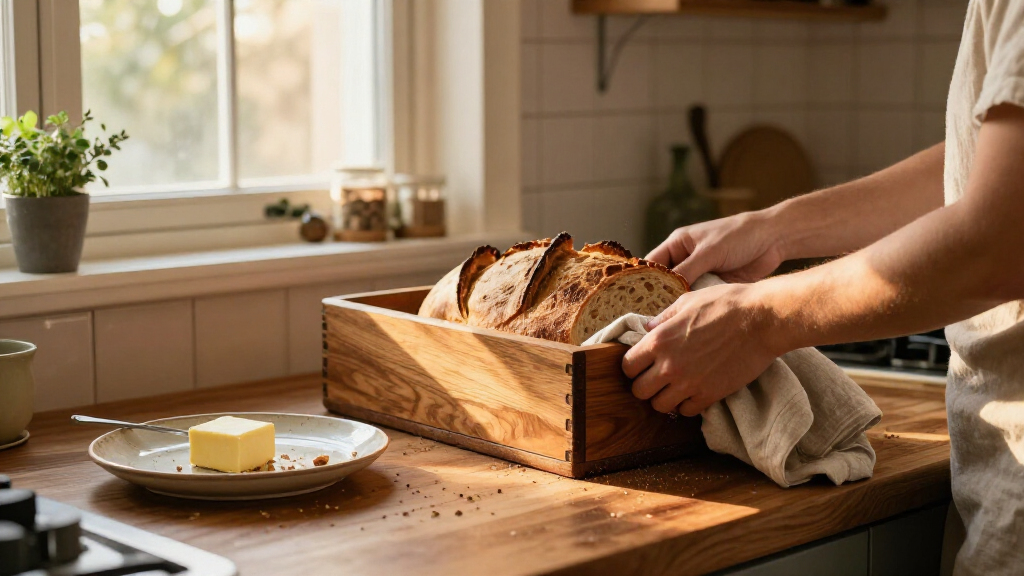
For bread intended for near-term use, the report recommends keeping it at room temperature in its original packaging, sealed between uses. A pantry or bread box is also an option. The advice applies to everyday packaged bread as well as loaves that will be eaten soon, though the report says the best approach can depend on the kind of bread and when it will be used.
Artisanal and homemade loaves can stale faster, the report says, because they typically lack preservatives. It recommends eating them within a day or two when possible. To help limit drying, it suggests wrapping a loaf in beeswax, a clean kitchen towel or plastic wrap, while taking care not to trap moisture that could contribute to mold.
For storage beyond the next few days, the experts recommend freezing bread. Good Housekeeping food director Kate Merker advises slicing a loaf before freezing so portions can be taken out as needed; she says slices can be toasted straight from frozen. Packaged sliced bread can go into the freezer in its bag. The report also notes that some people prefer not to use frozen bread for sandwiches, making intended use part of the decision.
Choosing Between the Counter and Freezer
The advice offers a practical way to reduce avoidable staling and food waste: keep bread accessible at room temperature when it will be eaten soon, and freeze what needs to last longer. It also distinguishes freezing from refrigeration, two cold-storage options that can have different effects on bread’s texture.
That distinction matters for households buying or baking more bread than they can use immediately. Freezing sliced portions allows people to take out only what they need, while leaving the remaining bread frozen. For someone who prefers soft sandwich bread rather than toast, however, the report’s recommendation still requires a choice about texture and how the bread will be served.
bread box for countertop bread storage
As an affiliate, we earn on qualifying purchases.
As an affiliate, we earn on qualifying purchases.
Why the Refrigerator Is Different
The report describes a debate among home cooks about whether bread belongs on the counter, in the refrigerator or in the freezer. In response, Good Housekeeping’s Test Kitchen experts favor counter storage for bread meant to be eaten soon and freezing for longer-term storage.
Merker says refrigeration does not preserve bread in the same way it can preserve produce or leftovers. She attributes faster staling to cool temperatures speeding changes in the bread’s starch structure. Food producer Tina Martinez likewise says bread dries out rapidly in the refrigerator. These are the experts’ explanations as presented in the report; the article does not provide experimental data or a specific shelf-life comparison.
“Bread actually goes stale faster in the refrigerator because the cool temperature speeds up changes in the starch structure that make the loaf firm and dry.”
— Kate Merker, Good Housekeeping food director
reusable beeswax bread wraps for homemade bread
As an affiliate, we earn on qualifying purchases.
As an affiliate, we earn on qualifying purchases.
Shelf Life Depends on the Loaf
The report does not give exact shelf-life estimates for specific breads or quantify how much sooner bread may stale in the refrigerator. It also does not establish one wrapping method as best for every homemade or artisanal loaf. Bread type, packaging, room conditions and personal texture preferences may affect the result, but the supplied material does not compare those factors systematically.
The guidance is presented as recommendations from Good Housekeeping experts, not as a universal guarantee that bread stored this way will remain fresh for a fixed number of days. The report also does not provide additional detail about mold prevention beyond advising readers not to trap moisture when wrapping homemade bread.
reusable freezer bags for sliced bread
As an affiliate, we earn on qualifying purchases.
As an affiliate, we earn on qualifying purchases.
Match Storage to Your Plans
For bread that will be eaten in the next few days, the report’s next step is simple: keep it sealed at room temperature, using its original package or a suitable wrap. For a loaf that will not be used soon, slice it first if convenient, freeze it and remove portions as needed. Packaged sliced bread can be placed directly in the freezer in its bag.
Readers deciding between these methods should consider whether they want bread for toast or sandwiches and how quickly they expect to use it. The supplied report identifies no further research, official guidance or follow-up announcement; its advice is a practical summary of the Good Housekeeping Test Kitchen experts’ recommendations.
bread storage bags for homemade artisan loaves
As an affiliate, we earn on qualifying purchases.
As an affiliate, we earn on qualifying purchases.
Key Questions
Should bread be stored in the refrigerator?
The Good Housekeeping experts advise against it. They say refrigerator temperatures can speed changes that make bread firm and dry.
Where should bread go if I will eat it soon?
Keep it on the counter, in a pantry or in a bread box, sealed between uses. The report recommends using the original packaging for sliced bread.
What is the best way to store bread for longer?
The report recommends the freezer. Slicing a loaf first lets you take out portions as needed; packaged sliced bread can be frozen in its bag.
How should I store homemade bread?
The report says homemade and artisanal loaves can stale faster and suggests eating them within a day or two when possible. Beeswax, a clean kitchen towel or plastic wrap can help limit drying, but avoid trapping moisture that could contribute to mold.
Can I use frozen bread for sandwiches?
You can freeze bread, but the report notes that some people do not like cold bread for sandwiches. Merker recommends toasting slices straight from frozen; the best method depends partly on how you plan to serve the bread.
Source: rss
Halloween Picks
halloween
As an affiliate, we earn on qualifying purchases.