
TL;DR
A comprehensive test of seven butter storage options shows that the most convenient method is also highly effective. The study emphasizes ease of use as the key factor in selecting a storage solution.
A recent test of seven butter storage options has identified the most convenient method for everyday use. The study emphasizes that ease of access and handling are crucial factors, with the winner being the simplest solution tested. This finding is relevant for consumers seeking practical storage solutions that preserve butter’s freshness while minimizing effort.
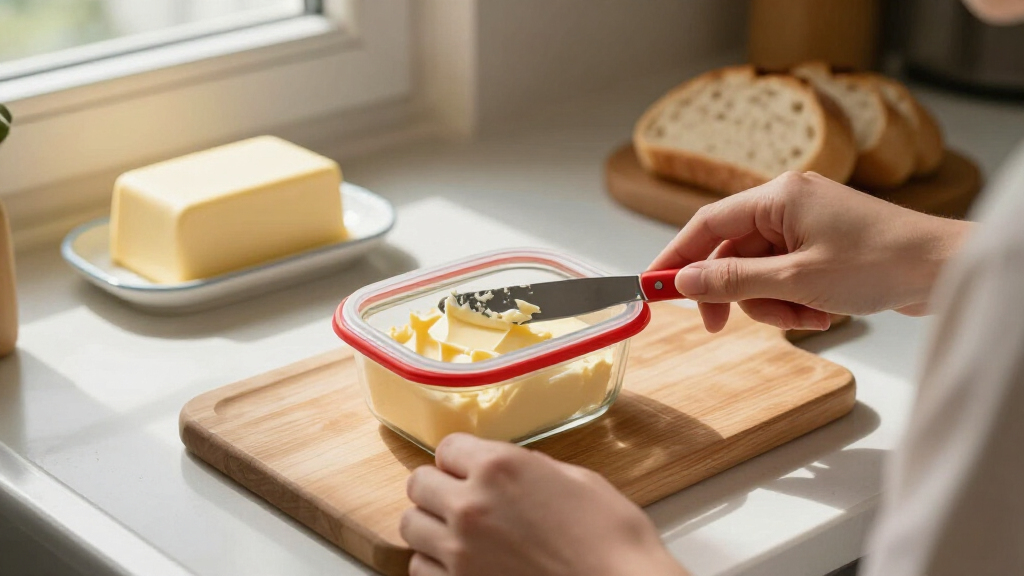
The test was conducted by a food enthusiast who evaluated seven different butter storage methods, including traditional wrappers, containers, and innovative solutions. The primary criterion was ease of access and handling, followed by effectiveness in maintaining butter freshness. Among the options tested, the most convenient was a specific type of butter dish that allows for quick scooping and resealing without extra steps.
Other tested options included resealable plastic bags, glass jars, and specialized butter containers with lids. While some methods offered better preservation, they were often less user-friendly or required more effort to open and close. The study found that the winner struck a balance between simplicity and functionality, making it ideal for daily use.
Why Convenience Matters in Butter Storage
This study underscores that ease of use can significantly influence how consistently people store and use butter properly. A storage method that is quick and simple encourages better habits, reducing waste and ensuring butter remains fresh longer. For busy households, a user-friendly option can make a notable difference in daily routines, potentially impacting food waste and overall kitchen efficiency.
As an affiliate, we earn on qualifying purchases.
Previous Common Butter Storage Methods and Their Drawbacks
Traditionally, butter has been stored wrapped in foil or paper, kept in a butter dish, or placed in the fridge in a container. While these methods are effective at preserving freshness, some are less convenient. For example, wrapping butter in foil can be messy, and using a dish requires extra steps to scoop and reseal. Over recent years, innovations like resealable bags and specialized containers have emerged, but their adoption depends on their practicality for everyday use.
Prior to this test, there was limited comparative analysis focusing specifically on user convenience, which is a key factor influencing consumer choice. This study fills that gap by systematically evaluating how different options perform in real-world scenarios.
“The goal was to find a butter storage method that combines simplicity with effectiveness. The winner is the option that makes it easiest to access and reseal without fuss.”
— food enthusiast conducting the test
As an affiliate, we earn on qualifying purchases.
Limitations and Unanswered Questions About the Test
It is not yet clear whether the tested methods perform equally well over extended periods or under different storage conditions (e.g., room temperature vs. refrigerator). The study focused mainly on immediate usability rather than long-term preservation. Additionally, personal preferences, such as aesthetic appeal or size constraints, were not deeply explored, which could influence individual choices.
As an affiliate, we earn on qualifying purchases.
Further Testing and Consumer Feedback on Butter Storage Options
Future studies could evaluate how these storage options perform over longer durations and in various environmental conditions. Gathering broader consumer feedback could also help determine which methods are most adopted in everyday kitchens. Manufacturers may consider these findings to improve product designs, emphasizing convenience alongside preservation.
As an affiliate, we earn on qualifying purchases.
Key Questions
What was the most convenient butter storage option according to the test?
The test found that a specific type of butter dish that allows for quick scooping and resealing was the most convenient option tested.
Did the study consider long-term preservation of butter?
No, the focus was primarily on ease of access and handling. Long-term preservation under various conditions remains to be evaluated.
Are there any drawbacks to the winning storage method?
The study did not identify significant drawbacks, but personal preferences and specific kitchen setups might influence individual suitability.
Will this change how I store butter at home?
If convenience is a priority, trying the recommended butter dish could simplify daily routines and reduce waste.
Source: rss