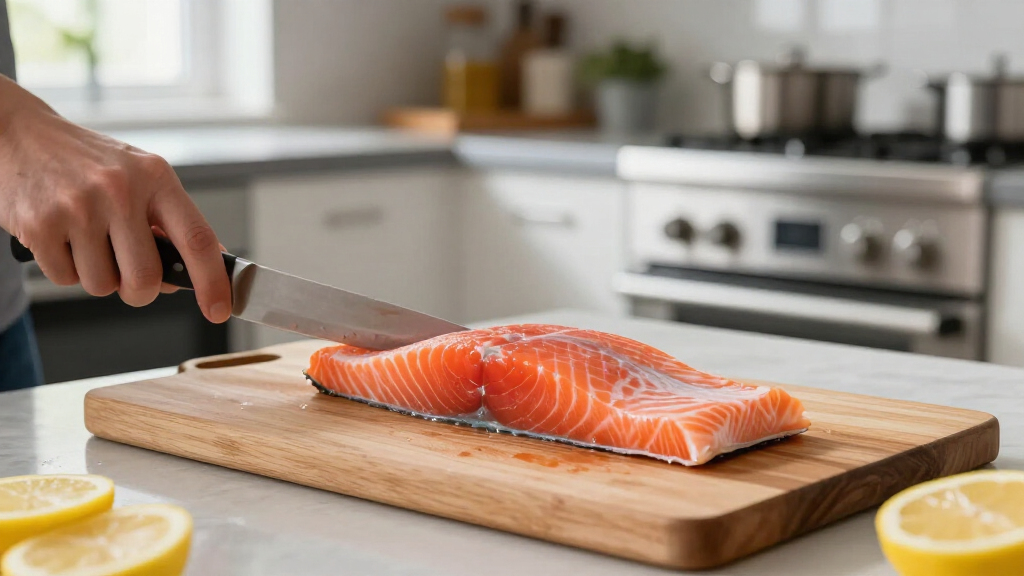
TL;DR
Norwegian regulators announced new sustainability measures for the salmon farming industry, aiming to reduce environmental impacts. The move affects producers, exporters, and global markets. Details on implementation are still emerging.
Norwegian authorities announced new, stricter regulations on salmon farming on April 15, 2024, aiming to reduce environmental impacts and improve sustainability. The measures, which affect industry practices and licensing, are part of Norway’s efforts to address concerns over ecological damage and meet international sustainability commitments. The move is significant for the global seafood market, given Norway’s status as the world’s largest salmon exporter.
The Norwegian Ministry of Fisheries and Ocean Policy revealed that the new rules will limit fish farm densities, enforce stricter environmental monitoring, and require investments in sustainable technology. These regulations are expected to come into effect later this year, with phased implementation over the next 12 months.
Industry representatives have expressed mixed reactions. The Norwegian Seafood Council stated that the measures are necessary to ensure long-term sustainability and maintain market access. However, some salmon producers have raised concerns about increased costs and operational adjustments, with the Norwegian Seafood Association emphasizing the need for support during the transition. The government has indicated that financial aid and technical assistance will be available to help producers comply.
Impacts on Global Salmon Markets and Sustainability Goals
This development is significant because Norway accounts for approximately 50% of the world’s farmed salmon supply. Stricter regulations could influence global prices, supply chains, and trade policies. Additionally, the move aligns with Norway’s commitments under international environmental agreements and reflects increasing consumer demand for sustainable seafood. The regulations may also set a precedent for other major salmon-producing countries to adopt similar measures.

VinneGenzz Storage Boxes with Lids Decorative Fabric Bins Baskets Container
- Package Includes: 1 fabric storage bin with dimensions 15x10x10 inches
- 3D Textured Design: Features intricate 3D patterns for a textured look
- Easy to Use: Velcro lid closure and sturdy faux leather handles
As an affiliate, we earn on qualifying purchases.
As an affiliate, we earn on qualifying purchases.
Recent Environmental Concerns and Regulatory Responses
Over the past decade, Norway’s salmon industry has faced criticism over issues such as marine ecosystem damage, fish escapes, and use of antibiotics. In response, Norwegian authorities have periodically revised regulations, but the latest measures represent a comprehensive effort to enhance environmental standards. The government’s announcement follows recent scientific reports emphasizing the need for stricter controls to prevent ecological degradation and ensure industry sustainability.
“These new regulations are a necessary step to safeguard our marine environment and ensure the long-term viability of our salmon industry.”
— Norwegian Minister of Fisheries and Ocean Policy
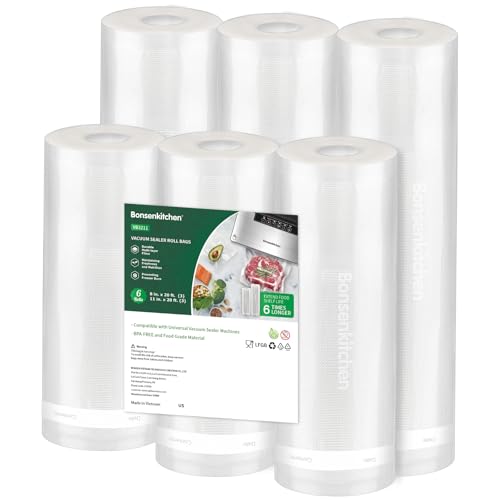
Bonsenkitchen Vacuum Sealer Rolls bags, 3 Rolls 11"x 20'+ 3 Rolls 8"x 20'
- BPA Free and Food Safe: Microwave, freezer, dishwasher safe
- Commercial Grade Seal: Deeper air passages for better sealing
- Customizable Sizes: Create tailored vacuum bags easily
As an affiliate, we earn on qualifying purchases.
As an affiliate, we earn on qualifying purchases.
Details of Implementation and Industry Adjustment Timeline
It is not yet clear how quickly producers will adapt to the new regulations, what specific financial support will be provided, or how enforcement will be managed across different regions. The exact timeline for phased implementation and potential penalties for non-compliance remains to be detailed by authorities.

PEAKCOLD Curved Glass Refrierated Deli Case; Meat or Seafood Display Showcase; 64" W
- Exterior Dimensions: 64" W x 32.5" D x 43" H
- Interior Dimensions: 60.25" W x 26.75" D x 26.75" H
- Temperature Range: 33° to 40°F
As an affiliate, we earn on qualifying purchases.
As an affiliate, we earn on qualifying purchases.
Next Steps for Regulatory Rollout and Industry Compliance
The Norwegian government is expected to publish detailed guidelines and support programs in the coming months. Industry stakeholders will need to finalize compliance strategies, and monitoring systems will be established to ensure adherence. Market reactions, both domestic and international, will also influence the pace and scope of industry adjustments.

KastKing Speed Demon Pro Fillet Knife, 9'' Fillet Knife
- Blade Material: German stainless steel blades
- Blade Length: Available in 5”, 6”, 7”, 9”
- Blade Sharpness: Razor sharp for precise cuts
As an affiliate, we earn on qualifying purchases.
As an affiliate, we earn on qualifying purchases.
Key Questions
What specific changes are being made to salmon farming regulations?
The new regulations will limit farm densities, increase environmental monitoring requirements, and mandate investments in sustainable farming technology.
How will these regulations affect salmon exports from Norway?
While the regulations aim to enhance sustainability, they could temporarily impact supply and prices, but are intended to strengthen Norway’s market position long-term.
Are other countries adopting similar measures?
Some salmon-producing countries are considering stricter environmental regulations, but Norway’s move is among the most comprehensive to date.
When will the new rules be enforced?
Implementation is expected later in 2024, with phased compliance over the following year.
What support will Norwegian salmon producers receive during this transition?
The government has indicated that financial aid and technical assistance will be provided to help producers meet new standards.
Source: hn