
TL;DR

Get kitchen gear delivered free with Prime
- Fast, free delivery on millions of items
- Prime Video, Amazon Music and more included
- Member-only deals all year
A VinePair report based on interviews with drinks professionals and traveler Regine Rousseau describes American bar culture in Europe as outgoing and curious, but still marked by specific preferences. Bartenders cite requests for vodka Martinis, blue-cheese olives, sweeter Margaritas and American spirit substitutions; the report does not establish how common those requests are across all U.S. travelers.
A VinePair report on American drinking habits in Europe finds that bartenders interviewed describe U.S. visitors as unusually willing to talk and ask questions, while also bringing firm preferences for vodka, customized Martinis and familiar American spirits. The account offers a set of professional observations, not a representative survey of American travelers.
Giorgio Bargiani, assistant director of mixology at London’s Connaught Bar, told VinePair that American customers often engage staff and other guests soon after arriving. He described their interest as genuine and said conversations can spread across the bar. At the same time, he recalled that when he moved to London in 2014, many American guests arrived with a specific idea of how they wanted a Martini, often preferring vodka to gin. The bar makes about 30,000 Martinis a year, according to the report.
Other bartenders cited requests that reflect U.S. tastes or expectations. Arturo Burzio, head mixologist at Rosewood Villa Magna in Madrid, said American customers have asked for blue-cheese-stuffed olives and particular U.S. spirits, including bourbon and named vodka brands. He also described requests to make Margaritas “without sugar,” despite the report’s explanation that a traditional Margarita does not contain added sugar. American-born drinks such as the Cosmopolitan and Vodka Cranberry also came up.
Chicago wine consultant Regine Rousseau offered a different view of how to approach drinking abroad. She said she asks bartenders what they make especially well and lets curiosity and the setting shape her choices. “When I’m traveling, I want to sit, I want to think, I want to have a conversation,” Rousseau told VinePair. Her account emphasizes that visitors can show interest in local culture without pretending to blend in.
How U.S. Habits Meet Local Bars
The report captures a practical tension for travelers: familiar orders can feel comforting, but asking for local specialties may offer a closer connection to the place being visited. Bartenders’ examples also show how expectations about a classic cocktail can differ across countries, from the preferred base spirit in a Martini to how sweet a Margarita should be.
For bars, these exchanges are part of hospitality as well as service. Bargiani described American customers’ openness as a positive contribution to the atmosphere, even when their preferences are precise. For travelers, the accounts suggest that clear requests need not prevent curiosity: asking what a bartender recommends can leave room for both.
As an affiliate, we earn on qualifying purchases.
Travel Growth Behind the Observations
VinePair places these accounts against rising U.S. travel to Europe. The report cites International Trade Administration data showing international travel among U.S. tourists rose roughly 71 percent over the past decade. It also says Americans took a record 24 million trips to Europe in 2025, citing The Wall Street Journal, which expected the total to increase by another 5 percent by the end of 2026.
Those figures help explain why American visitors are a visible customer group at some European bars, but they do not establish how U.S. travelers drink overall. The report draws on interviews with a small number of hospitality professionals and Rousseau, whose travel experiences span many years. Its examples are snapshots, not a measurement of national behavior.
““When I’m traveling, I want to sit, I want to think, I want to have a conversation.””
— Regine Rousseau, founder of Shall We Wine and senior sales advisor at Verve Wine Chicago, as quoted by VinePair
As an affiliate, we earn on qualifying purchases.
How Broad Are These Barroom Patterns?
The report does not quantify how often American travelers make the requests described, compare their behavior with that of visitors from other countries, or establish whether preferences are changing over time. The travel totals cited also measure trips, not individual travelers or alcohol consumption. It remains unclear how representative the interviewed bartenders’ experiences are of bars across Europe.
As an affiliate, we earn on qualifying purchases.
More Travel, More Bar Encounters
The report points to continued growth in U.S. travel to Europe, with a cited forecast of a further 5 percent increase by the end of 2026 from the 2025 record. That projection is not a confirmed final total. As more Americans visit European bars, bartenders and travelers will continue to negotiate the balance between familiar orders and local recommendations; the report provides no scheduled follow-up or additional data release.
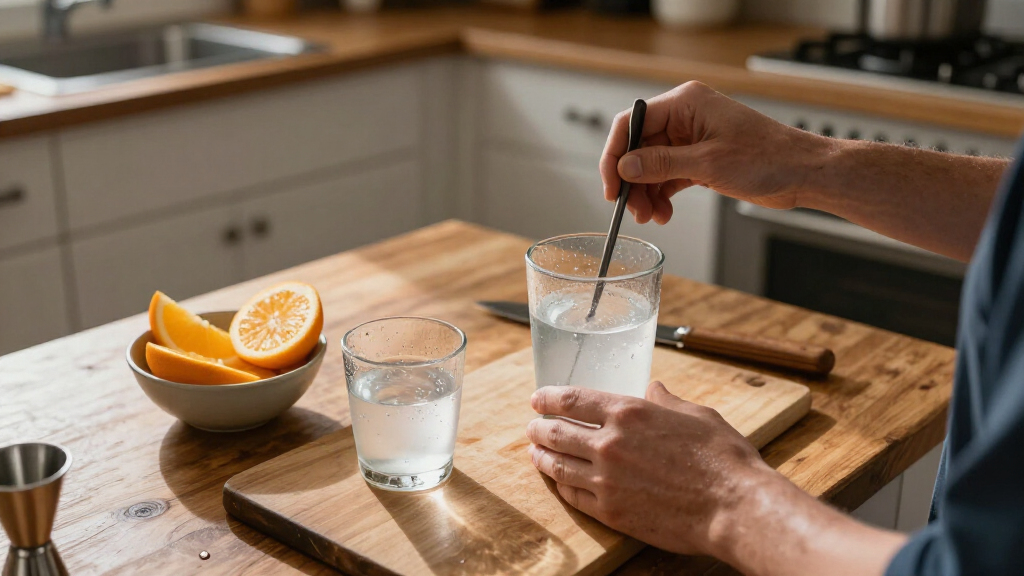
cocktail mixing kit for home bartenders
As an affiliate, we earn on qualifying purchases.
As an affiliate, we earn on qualifying purchases.
Key Questions
What is the report’s main finding?
Bartenders interviewed by VinePair describe American guests as outgoing and curious, while saying some bring specific preferences for vodka Martinis, garnishes, sweetness and U.S. spirits.
Is this based on a survey of American travelers?
No. The report relies on interviews with a small number of bartenders and traveler Regine Rousseau. It does not provide a representative survey or quantify how common the cited orders are.
What requests did the bartenders mention?
Examples include vodka instead of gin in Martinis, blue-cheese-stuffed olives, specific vodka brands and bourbon, and requests to omit sugar from a Margarita.
How many U.S. trips to Europe does the report cite?
VinePair cites a figure of 24 million trips in 2025, described as a record, and reports a forecast that the number could rise by another 5 percent by the end of 2026.
Source: rss
Halloween Picks
halloween
As an affiliate, we earn on qualifying purchases.