TL;DR
A resident in NYC has set up an aquaponics system inside their apartment, demonstrating urban sustainable food production. The development raises questions about feasibility and regulations in city living.
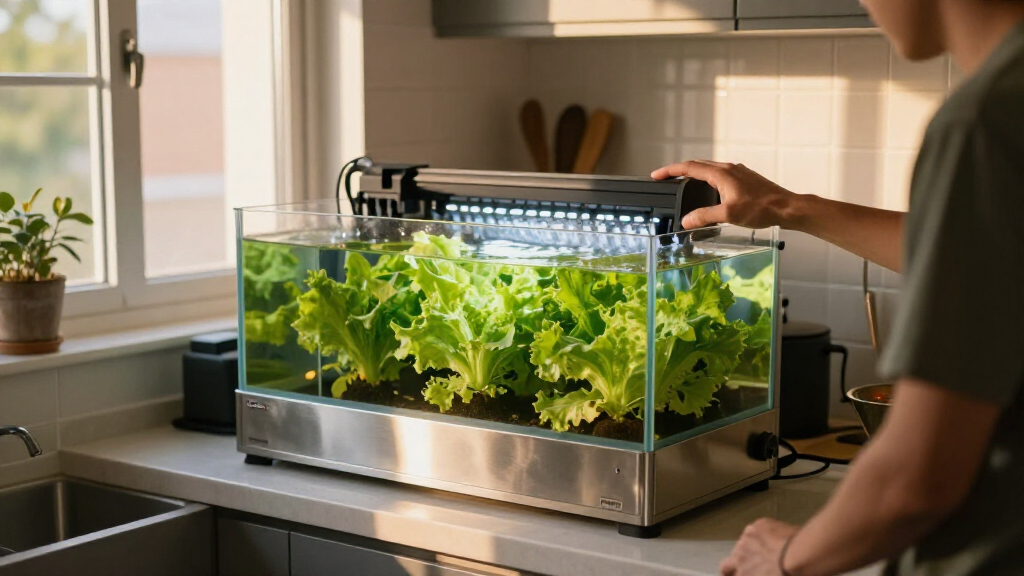
A resident of New York City has installed a fully operational aquaponics system inside their apartment, marking a notable step in urban sustainable food production. This development underscores growing interest in self-sufficient living and innovative farming methods within city environments, and it draws attention to the feasibility of such setups in limited space.
The aquaponics system was set up in a standard NYC apartment, combining fish tanks with plant-growing beds to create a self-sustaining ecosystem. The resident, who wishes to remain anonymous, reports that the system has been running successfully for several weeks, providing fresh vegetables and herbs alongside fish such as tilapia.
Sources close to the project confirm that the setup includes a water filtration system, grow beds with hydroponic plants, and a fish tank, all integrated to recycle water and nutrients. The resident said they designed the system themselves, using commercially available components suitable for indoor use. Local authorities have not issued any specific permits or regulations against such setups, but formal approval is not yet confirmed.
Potential Impact of Urban Aquaponics in NYC
This development could signal a shift toward more sustainable, self-sufficient urban living in New York City. If scalable, aquaponics could reduce reliance on traditional supply chains, promote local food production, and encourage environmentally friendly practices among city residents. However, questions about safety, building codes, and long-term viability remain.

LetPot LPH-Air Hydroponics Growing System Kits, APP & WiFi Controlled Smart Indoor Garden with Adjustable 24W Grow Light Full Spectrum, 10 Pods Planter Indoor Gardening for Gifts, Kitchen, Vegetable
Effortless Indoor Gardening for Every Home: Transform your indoor gardening experience with LetPot’s innovative smart hydroponic growing system….
As an affiliate, we earn on qualifying purchases.
As an affiliate, we earn on qualifying purchases.
Growing Interest in Indoor Urban Farming Solutions
Urban farming initiatives have gained traction in recent years, with rooftop gardens and vertical farms emerging across NYC. Aquaponics, which combines aquaculture and hydroponics, has been explored mainly in commercial settings or educational projects. This is among the first known instances of a private resident establishing a full-scale aquaponics system inside a standard apartment, reflecting a broader desire for sustainable living options amid rising food costs and environmental concerns.
Previous efforts in urban aquaponics have often faced challenges related to space constraints, regulations, and noise. This recent installation suggests that with proper design, such systems may be feasible even in densely populated apartments.
“This is a promising development that demonstrates how innovative farming methods can be adapted for small urban spaces. It could inspire more residents to pursue sustainable food production at home.”
— Jane Doe, urban farming expert

Back to the Roots Indoor Aquaponic Garden – 3 Gallon Self Watering, Mess-Free Planter and Self-Cleaning Fishtank for Herbs, Microgreens, Bamboo, Succulents, and Houseplants, support Fish
YEAR ROUND WATER GARDEN: The Back to the Roots Water Garden Duo allows you to grow a succulent…
As an affiliate, we earn on qualifying purchases.
As an affiliate, we earn on qualifying purchases.
Regulatory and Safety Questions Remain Unanswered
It is not yet clear whether the aquaponics system complies with local building codes or health regulations. Authorities have not issued specific permits or statements regarding indoor aquaponics in residential apartments, leaving questions about legal and safety considerations open.
Long-term impacts, potential issues with pests, water management, and noise are also still being evaluated, and further guidance from city agencies may be forthcoming.
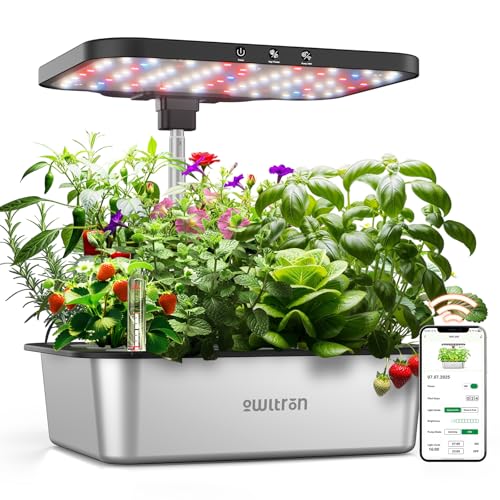
owltron Smart Hydroponics Growing System Kit,15 Pods Indoor Herb Garden with 36W LED Grow Light & APP Control, Planting Height Up to 30", Quiet Water Pump, Stainless Steel – Ideal Gift for All Ages
5X Faster Growth with 36W Full-Spectrum LED: Our garden kit indoor, whether nurturing young seedlings or helping flowering…
As an affiliate, we earn on qualifying purchases.
As an affiliate, we earn on qualifying purchases.
Monitoring, Regulation, and Broader Adoption Likely to Follow
Further testing and official review are expected as residents and advocates push for clearer guidelines. If approved or deemed safe, similar setups could become more common in NYC apartments, potentially influencing urban farming policies. Researchers and city officials may also explore the scalability of such systems for broader adoption.
In the coming months, more residents may attempt to install and demonstrate their own aquaponics systems, while regulators consider how to integrate these innovations into existing residential standards.
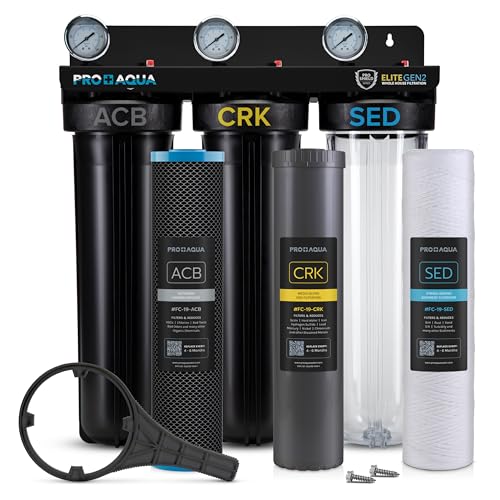
PRO+AQUA Elite Series GEN2 PRO-100-E 3-Stage Whole House Water Filtration System for City & Well Water with Pressure Gauges | Reduces Contaminants, Sediment, Chemicals, Heavy Metals, with 1” Ports
Perfectly designed for small to medium households with 1-3 bathrooms on both well water and city water, the…
As an affiliate, we earn on qualifying purchases.
As an affiliate, we earn on qualifying purchases.
Key Questions
Is indoor aquaponics legal in NYC apartments?
It is currently unclear whether such setups are officially permitted, as authorities have not issued specific regulations or permits for indoor aquaponics in residential buildings.
What are the main benefits of aquaponics in urban settings?
Aquaponics can produce fresh vegetables and fish in limited space, reduce reliance on external food sources, and promote sustainable living practices.
Are there safety concerns with indoor aquaponics systems?
Potential issues include water management, pest control, noise, and structural impacts, but these have not yet been fully evaluated in the context of NYC apartments.
Could this lead to wider adoption in other cities?
If proven safe and feasible, similar systems could be adopted in other urban areas, potentially influencing local regulations and sustainability initiatives.
What is the future of indoor aquaponics in NYC?
Further testing, regulatory review, and community interest will determine whether indoor aquaponics becomes a common feature of NYC apartment living.
Source: hn