
To tell if your home is well-insulated, look for drafts around windows and doors, as well as cold spots in different rooms. If you’re experiencing inconsistent temperatures and rising energy bills, that’s a red flag. DIY tests, like the candle method, can help you spot leaks. Moisture issues like mold may also indicate poor insulation. If these signs sound familiar, there’s plenty more you can discover to improve your home’s comfort and efficiency.
Key Takeaways
- Check for drafts and cold spots around windows and doors, indicating potential insulation gaps.
- Monitor your energy bills for sudden increases, suggesting poor thermal retention.
- Notice temperature inconsistencies between rooms, which may signal inadequate insulation.
- Conduct a candle test to identify air leaks by observing flickering flames near windows and walls.
- Look for signs of moisture, such as mold or condensation, which can indicate insulation issues.

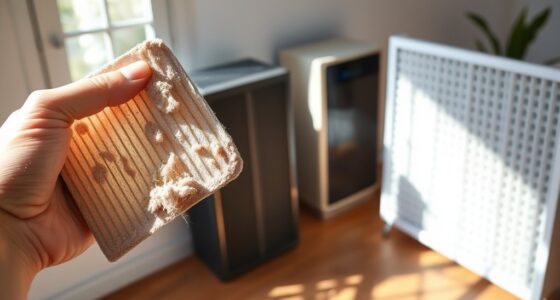
How can you tell if your home is well-insulated? It’s a vital question that can affect your comfort and energy bills. A well-insulated home should keep heat in during winter and out during summer. If you notice drafts, cold spots, or fluctuating temperatures, it’s a sign your insulation might not be doing its job effectively. Check your windows and doors; if you can feel a draft even when they’re closed, you might have gaps in your thermal barriers.
Another way to evaluate your insulation efficiency is to monitor your energy bills. If you find your heating or cooling costs are consistently high, it could indicate that your home isn’t retaining heat or cool air as it should. Insulation acts as a shield against temperature changes, so when it’s lacking or damaged, your HVAC system has to work overtime, leading to those sky-high bills.
In addition to energy costs, pay attention to how comfortable you feel in different rooms. If some areas of your home are much colder or hotter than others, that’s a clear sign of poor insulation. Ideally, the temperature should be relatively uniform throughout your living space. Check your attic and basement too; these areas are often overlooked but can be significant contributors to heat loss.
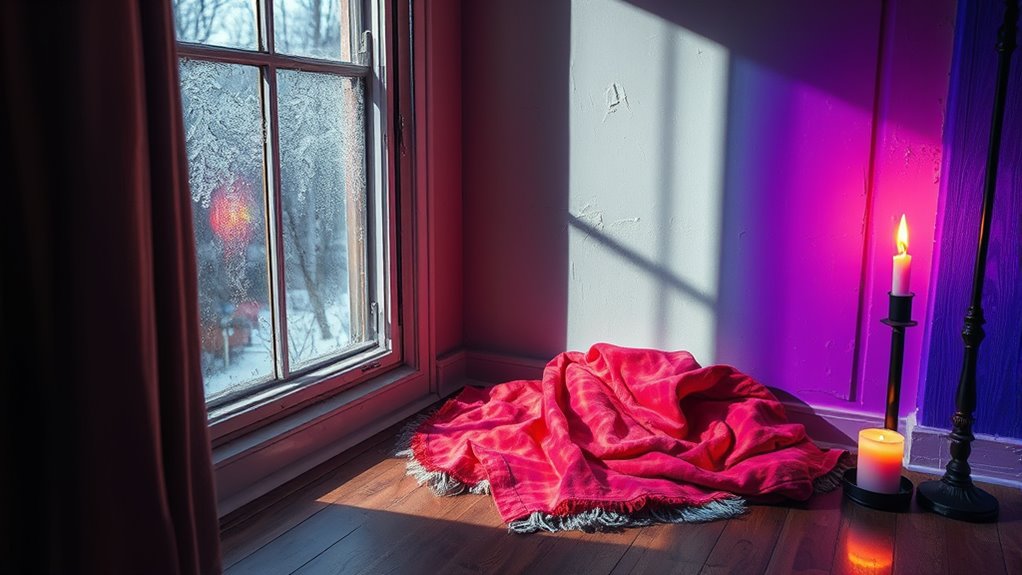
You can also perform a simple DIY test. On a windy day, walk around your home with a lit candle. If the flame flickers or goes out near windows, doors, or walls, it’s likely you’re losing heat through those areas. This test can reveal weak spots in your thermal barriers.
Don’t forget to look for condensation or moisture inside your home. If you see signs of mold or mildew, it might indicate that your insulation is insufficient or improperly installed. Moisture can lead to structural damage, so it’s essential to address these issues promptly.
Finally, consider consulting a professional. They can conduct a thorough energy audit, identifying areas where your insulation efficiency can be improved. Investing in proper insulation not only enhances your comfort but also saves you money in the long run. By keeping an eye on these signs, you can ensure your home remains a cozy, energy-efficient haven year-round.

etc Asbestos Home Testing Kit DIY Sample Collection with NVLAP Accredited Lab Fee Included, Asbestos Test Kit, Protect Your Home & Family
- Complete Collection Kit: Includes gloves, bags, instructions, and labels
- Protect Your Home & Family: Identify asbestos early to reduce health risks
- Lab Analysis: Send samples to NVLAP-accredited lab for results
As an affiliate, we earn on qualifying purchases.
As an affiliate, we earn on qualifying purchases.
Frequently Asked Questions
What Materials Are Best for Home Insulation?
For effective home insulation, consider materials like fiberglass, foam board, and cellulose. These insulation materials offer excellent thermal resistance, helping to keep your home warm in winter and cool in summer. Fiberglass is popular for its affordability and ease of installation, while foam board provides high insulation values in thin layers. Cellulose, made from recycled paper, is eco-friendly and effective. Choose the right material to enhance your home’s energy efficiency and comfort!
How Often Should I Check My Insulation?
You’ll want to give your insulation a gentle glance at least twice a year, ideally during seasonal checks. Spring and fall are perfect times to inspect your home’s cozy layers. Keep an eye out for any signs of wear or damage, as those could let the chill in. Regular inspection frequency helps you stay ahead of issues, ensuring your home stays snug and warm throughout the changing seasons. Don’t let comfort slip away!
Can I Insulate My Home Myself?
Yes, you can insulate your home yourself! Many DIY projects are perfect for homeowners looking to save money. However, don’t fall for insulation myths that suggest it’s easy or foolproof. You’ll need to research proper techniques and materials for your specific needs. Safety’s key, so wear protective gear and follow guidelines. If you’re unsure, consulting a professional can help ensure your efforts lead to effective insulation and energy savings.
How Much Can Insulation Reduce Energy Bills?
Think of your home as a piggy bank. Proper insulation can markedly boost your energy savings, often reducing energy bills by 20% to 30%. This cost reduction means you’ll keep more money in your pocket each month, allowing you to invest in things you truly enjoy. By preventing heat loss, insulation acts like a sturdy lid on your piggy bank, ensuring your hard-earned cash isn’t leaking out into the cold.
What Are the Environmental Benefits of Insulation?
Insulation offers significant environmental benefits, enhancing thermal comfort in your home while reducing your carbon footprint. With better insulation, you’ll need less energy for heating and cooling, which means lower greenhouse gas emissions. By creating a more energy-efficient space, you’re contributing to a healthier planet and conserving natural resources. Plus, you’ll enjoy a more stable indoor temperature year-round, making your living environment more comfortable and sustainable. It’s a win-win for both you and the Earth!

RectorSeal Better Bubble 65554 Advanced Leak Detector, Detects Refrigerant Gas, Air, and Oxygen, Fast Acting, Can Be Used at Varied Temperature/Pressure Conditions, Plumbing, 8 oz.
- Application Range: Detects refrigerant, air, oxygen from 20°F to 250°F
- Leak Detection Capability: Pins down small gas leaks quickly and easily
- Easy to Use: Spray or apply on pipes, tanks, coils
As an affiliate, we earn on qualifying purchases.
As an affiliate, we earn on qualifying purchases.
Conclusion
Finally, your home’s insulation acts like a warm blanket on a chilly night; if it’s full of holes, you’ll feel the draft. By watching for signs of heat loss—like cold spots, high energy bills, and condensation—you can guarantee your cozy haven stays snug and energy-efficient. Don’t let your comfort slip away; take action to seal those gaps and keep your home warm. After all, a well-insulated home is your shield against the cold.
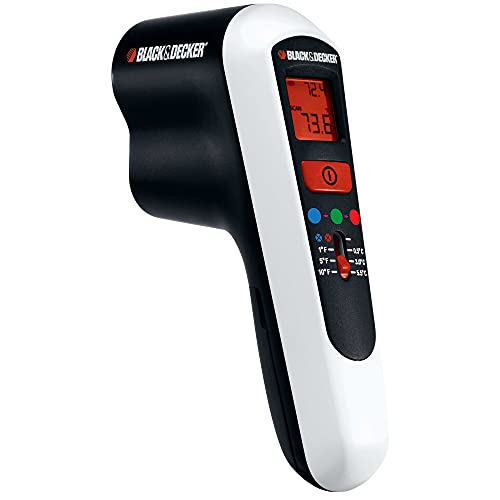
BLACK+DECKER Thermal Leak Detector (TLD100)
- Energy Savings: Reduces heating and cooling costs by up to 20%
- Infrared Sensor: Detects surface temperature variations
- LED Indicator: Displays leak detection with color change
As an affiliate, we earn on qualifying purchases.
As an affiliate, we earn on qualifying purchases.
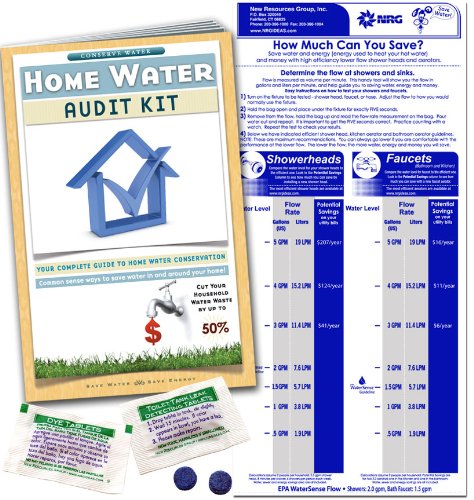
Home Water Audit Kit – Faucet Flow Gauge Measuring Bag & Toilet Leak Detecting Tablets. Water Saving for Shower and Faucet | Dye Tablets for Silent Bathroom Toilet Leaks.
- Water Usage Measurement: Measures water consumption accurately
- Leak Detection: Identifies silent bathroom leaks
- Cost Savings: Prevents expensive plumbing repairs
As an affiliate, we earn on qualifying purchases.
As an affiliate, we earn on qualifying purchases.