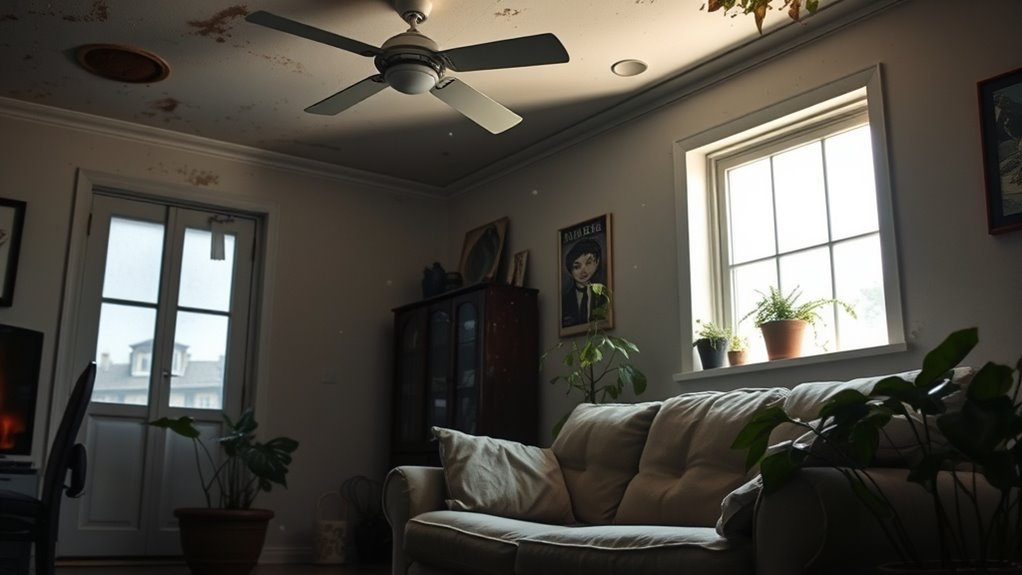
If you notice persistent odors, unexplained allergies, or respiratory issues, your home’s air quality may be poor. Visible dust, mold, or high humidity signals problems that can affect your health. Musty odors and stale air also indicate ventilation issues. Address these signs by improving ventilation, using air purifiers, controlling moisture, and maintaining cleanliness. Stay attentive—further tips can help you create a healthier, fresher living environment.

Get kitchen gear delivered free with Prime
- Fast, free delivery on millions of items
- Prime Video, Amazon Music and more included
- Member-only deals all year
Key Takeaways
- Persistent odors that air fresheners can’t mask indicate poor air quality; use activated charcoal or air purifiers to neutralize odors.
- Increased allergies or respiratory symptoms suggest indoor pollutants like dust or mold; improve air filtration and ventilation.
- Visible dust buildup or mold growth signals contaminated air; clean surfaces regularly and enhance ventilation systems.
- Unbalanced humidity causes discomfort and mold issues; maintain humidity between 30-50% using humidifiers or dehumidifiers.
- A musty or stale smell points to poor ventilation or hidden mold; increase airflow and use HEPA filters to refresh indoor air.
Lingering Odors That Won’t Go Away
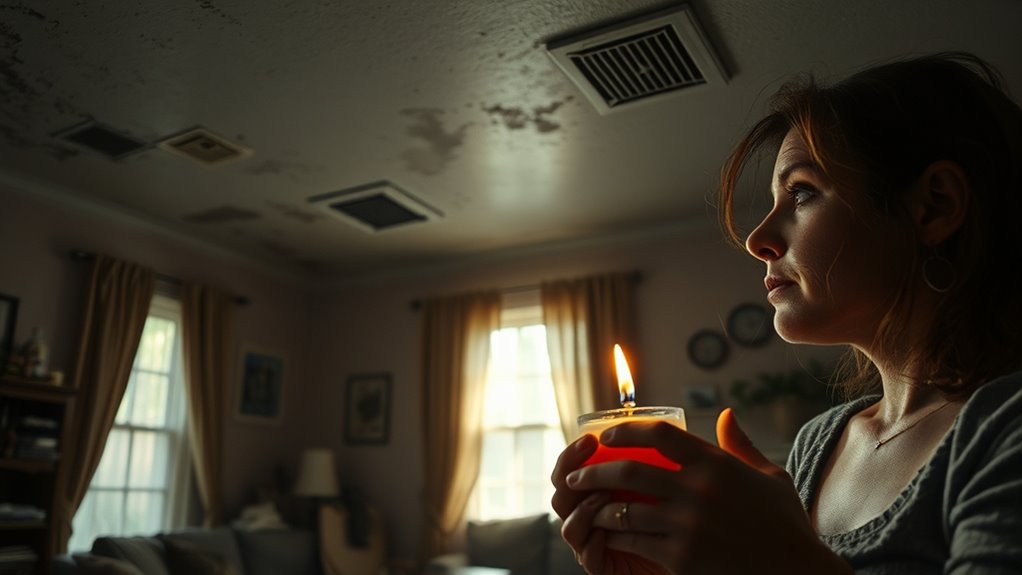
If you notice persistent odors lingering in your home despite cleaning, it could be a sign of poor air quality. You might rely on air freshener effectiveness to mask smells, but that often only hides the problem temporarily. Instead, focus on odor absorption methods that remove odors at their source. Techniques like using activated charcoal, baking soda, or air purifiers can substantially improve air quality and eliminate stubborn smells. Relying solely on air fresheners may give a false sense of cleanliness, but they don’t address underlying issues. Proper odor absorption methods work by trapping or neutralizing odor molecules, ensuring your home smells fresh naturally. Air purification systems are especially effective at capturing odor-causing particles and improving overall indoor air quality. Improving ventilation and maintaining proper humidity levels can also help prevent odor buildup. Incorporating air quality monitoring devices can help you detect and address issues early before odors become persistent. Regularly replacing filters in your HVAC system can also reduce the circulation of odor particles and improve air freshness. Additionally, ensuring proper ventilation techniques can significantly reduce indoor odors and improve air flow. When odors persist despite your efforts, it’s a clear sign that your air quality needs attention.
Unexplained Allergies or Respiratory Symptoms
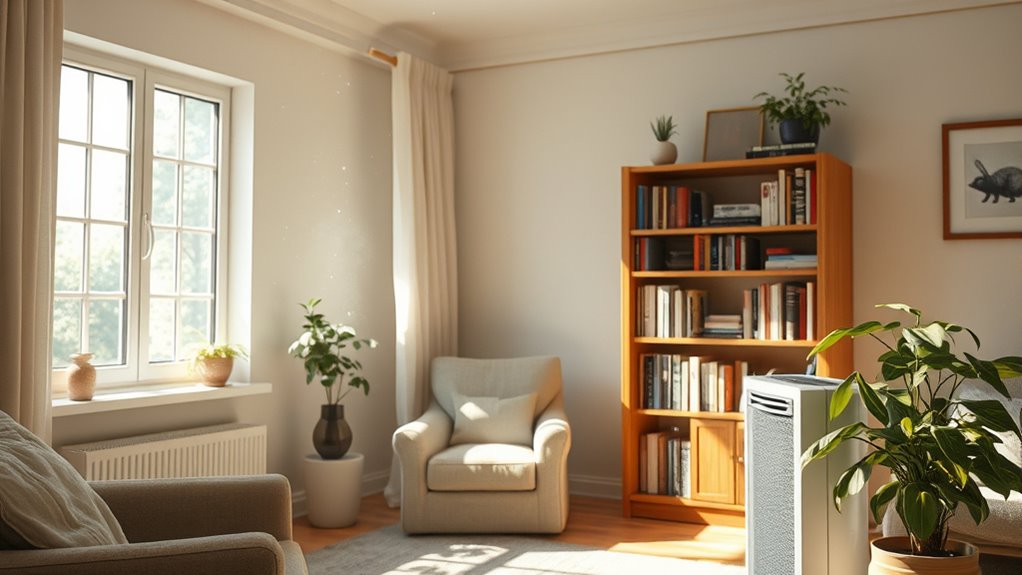
Unexplained allergies or respiratory symptoms in your home can signal poor air quality that’s affecting your health. You might notice increased sneezing, coughing, or congestion without any obvious cause. This often points to indoor pollutant sources like dust, pet dander, mold spores, or airborne chemicals. An air purifier benefits your home by reducing these irritants, helping you breathe easier and alleviating allergy symptoms. If your symptoms persist despite cleaning, it’s a sign that pollutants are lingering in the air. Improving ventilation and using an air purifier can make a significant difference. Regular air purifier maintenance and timely filter replacements are essential for maintaining optimal air quality. Addressing indoor pollutant sources and filtering the air effectively guarantees a healthier environment, reducing the likelihood of unexplained allergies or respiratory issues caused by poor air quality. Incorporating air quality testing can help identify specific pollutants that may be impacting your health and guide targeted improvements. Additionally, understanding the sources of indoor pollution can empower you to take more effective steps toward a cleaner, healthier home environment. Incorporating natural ventilation strategies can further improve indoor air circulation and reduce pollutant buildup, especially when combined with proper humidity control to inhibit mold growth.
Visible Dust and Mold Accumulation
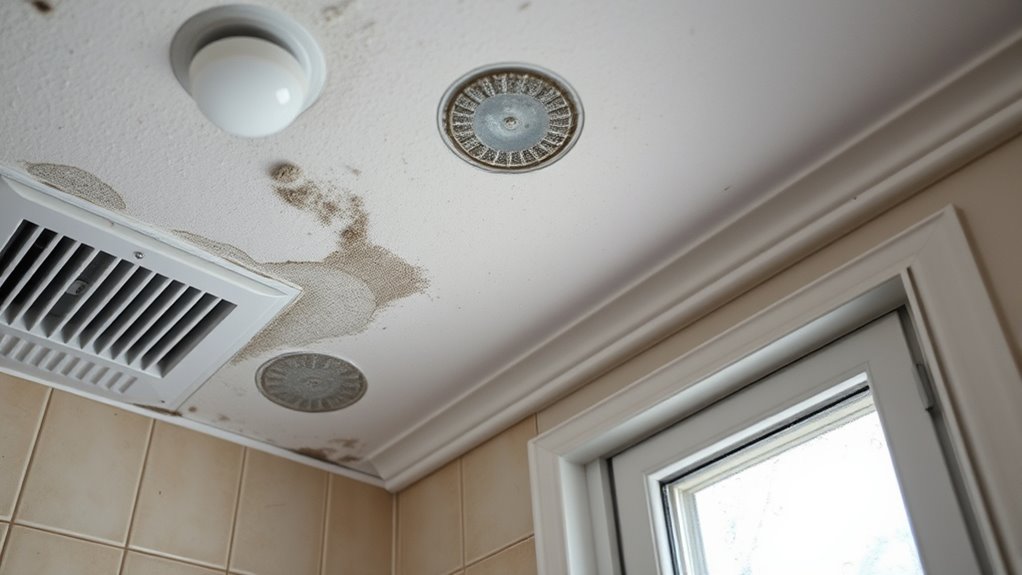
Visible dust and mold buildup are clear signs that your indoor air quality may be suffering. When dust accumulates or mold forms, airborne allergens increase, triggering allergies or respiratory issues. Poor ventilation often contributes to these problems, trapping moisture and particles indoors. Regularly check surfaces like vents, ceilings, and behind furniture for visible signs of mold or dust. Addressing these issues promptly can improve air quality and reduce health risks. Proper ventilation and filtration systems, such as air quality maintenance, can significantly help in controlling indoor pollutants. Here’s a quick overview:
| Issue | Solution |
|---|---|
| Dust accumulation | Increase cleaning frequency |
| Mold growth | Improve ventilation, fix leaks |
| Airborne allergens | Use HEPA filters |
| Ventilation problems | Install or upgrade exhaust fans |
| Moisture buildup | Control humidity levels |
Additionally, understanding Indoor Air Quality (IAQ) and how it impacts health can guide you in effective mitigation strategies. Regular maintenance of ventilation systems ensures that indoor air remains clean and healthy.
Excessive Humidity or Dryness
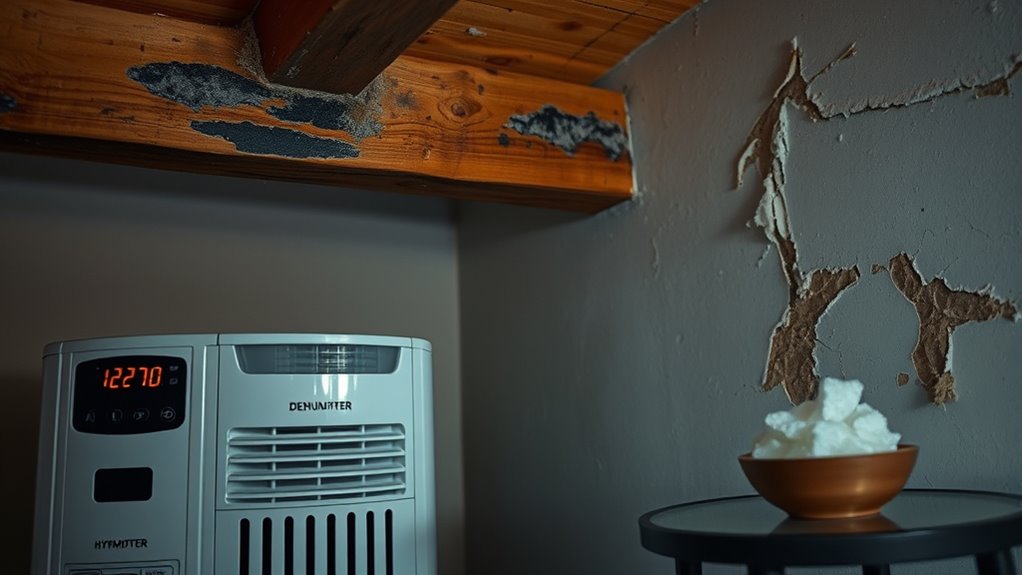
Excessive humidity or dryness can substantially impact your indoor air quality, leading to discomfort and health issues. A humidity imbalance can cause you to feel sticky, sweaty, or clammy, or make the air feel dry and irritating. Dryness issues often result in dry skin, sore throats, and respiratory irritation, while excess moisture can promote mold growth and dust mites. You might notice condensation on windows or a persistent musty smell with high humidity, or cracked wooden furniture and static shocks when it’s too dry. Managing humidity levels with a humidifier or dehumidifier helps restore balance. Proper humidity control is essential to prevent these issues and maintain a healthy indoor environment. Keep indoor humidity between 30-50% to prevent these issues and improve your home’s air quality effectively. Regularly monitoring your indoor air quality can help you maintain optimal humidity levels and identify potential problems early. Additionally, understanding humidity levels through simple measurements can guide you in making adjustments and maintaining comfort, especially considering that poor air quality can be exacerbated by improper humidity management.
Stale or Musty Air Feel
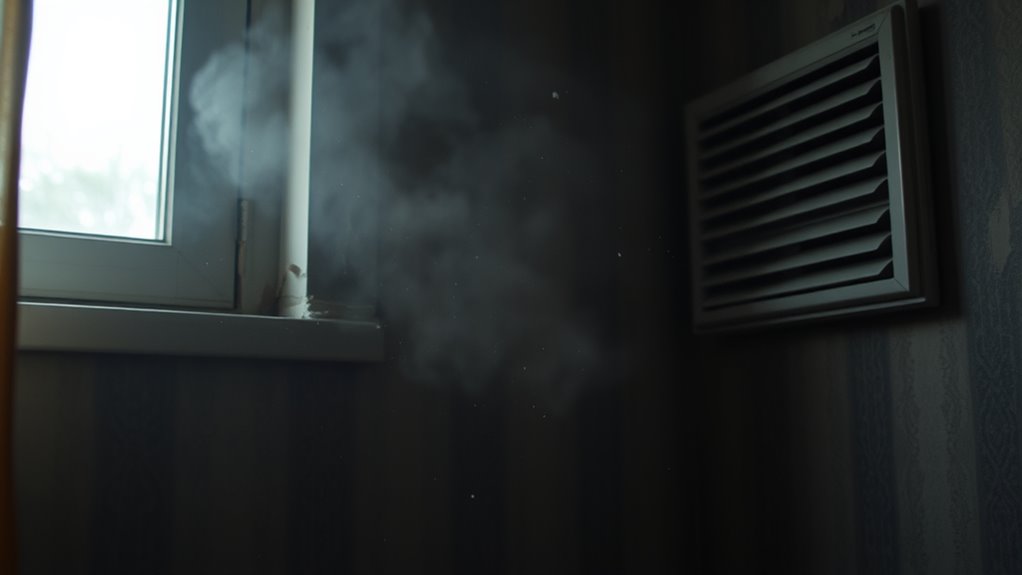
If your home consistently smells musty or stale, it’s a clear sign that your indoor air quality may be compromised. A stale air feel often indicates poor ventilation or hidden mold growth, reducing air freshness and making your space uncomfortable. To improve scent removal and refresh the air, consider these steps:
- Increase ventilation by opening windows or using exhaust fans
- Use air purifiers with HEPA filters to eliminate odors
- Clean carpets, curtains, and upholstery regularly to remove odor sources
- Incorporate air fresheners or natural odor absorbers like activated charcoal
- Understanding air quality and how it impacts your health can help you take targeted steps to improve your home environment. Regularly updating and maintaining your home’s ventilation systems is also crucial for sustaining good air quality. Additionally, choosing the right air filtration methods can significantly enhance indoor air freshness. Proper maintenance of your filtering systems ensures they operate at peak efficiency, effectively removing pollutants. Improving air circulation can further prevent the buildup of stale air and moisture.
Addressing these issues can restore air freshness, banish musty smells, and create a healthier living environment. Taking quick action helps prevent long-term air quality problems and keeps your home smelling clean.
Frequently Asked Questions
Can Poor Indoor Air Quality Affect My Mental Health?
Yes, poor indoor air quality can affect your mental health. Exposure to indoor pollutants like mold, dust, and volatile organic compounds can lead to headaches, fatigue, and difficulty concentrating. Over time, these effects may contribute to increased stress, anxiety, or depression. Improving ventilation, reducing pollutants, and using air purifiers can help protect your mental health by creating a cleaner, healthier indoor environment.
How Often Should I Test My Home’s Air Quality?
You should test your home’s air quality at least once every three to six months to guarantee it remains safe. Regular testing frequency helps catch issues early and maintain a healthy environment. Invest in air quality monitoring devices that provide real-time data, so you can quickly identify and address problems. Consistent monitoring empowers you to make informed decisions about ventilation, filters, and other improvements to keep your indoor air clean and healthy.
Are Certain Household Materials More Likely to Emit Pollutants?
In the days of yore, folks didn’t understand the hazards of indoor air. Certain household chemicals and building materials are more likely to emit pollutants, so you should be cautious. Items like paint, cleaning supplies, and pressed wood furniture often release volatile organic compounds (VOCs). To keep your air clean, opt for low-emission products and guarantee good ventilation when using these materials. This keeps your home healthier and safer.
What Are the Most Effective Air Purifiers for Allergies?
You should choose air purifiers with HEPA filters and activated carbon to combat allergies effectively. HEPA filters trap airborne allergens like pollen, pet dander, and dust mites, providing immediate relief. Activated carbon absorbs odors and chemical pollutants, improving overall air quality. Look for models specifically designed for allergies, and guarantee they cover the size of your space for ideal results. Regular maintenance keeps your air purifier working efficiently.
How Does Poor Ventilation Contribute to Indoor Air Problems?
When ventilation issues linger, you unknowingly invite pollutant buildup, which quietly impacts your home’s air quality. Poor airflow prevents fresh air from replacing stale, contaminated air, causing allergens, dust, and indoor pollutants to accumulate. This hidden buildup can lead to health discomfort and decreased well-being. Improving ventilation helps clear out these pollutants, transforming your space into a healthier, more breathable sanctuary where you feel truly at ease and protected.
Conclusion
If you notice these signs, your home’s air quality might be worse than you think—like living inside a cloud of invisible toxins. Don’t ignore the warning bells; your health and comfort are at stake. Taking immediate steps can transform your space from a toxic trap into a gust of fresh air. Remember, your home’s air quality isn’t just a detail—it’s the foundation of your well-being. Act now before poor air quality takes over your life entirely.
Halloween Picks
halloween
As an affiliate, we earn on qualifying purchases.