Finding the right chef’s knife under $200 requires balancing edge retention, handle ergonomics, and steel quality without paying a premium for brand heritage alone. My top recommendation for most home cooks is the Wüsthof Classic 8-Inch Chef’s Knife, which offers exceptional durability and a familiar German geometry that forgives mistakes better than thinner Japanese blades. For those prioritizing extreme sharpness out of the box, the Shun Premier 8-Inch Chef’s Knife stands out with its VG-MAX steel and beautiful hammered finish, though it demands more careful maintenance. The Victorinox Fibrox Pro 8-Inch Chef’s Knife remains the undisputed value king, proving that professional performance doesn’t require a luxury price tag. Read on to see how these options stack up against fourteen other contenders in this detailed comparison.

Get kitchen gear delivered free with Prime
- Fast, free delivery on millions of items
- Prime Video, Amazon Music and more included
- Member-only deals all year
Complete the kit



Key Takeaways
- German-style knives like Wüsthof and Henckels offer thicker spines and greater durability for heavy-duty tasks, whereas Japanese-style blades like Shun provide superior initial sharpness but are more prone to chipping if misused.
- The Victorinox Fibrox Pro demonstrates that a lower price point does not equate to poor performance, often outperforming more expensive competitors in raw cutting efficiency and ease of sharpening.
- Damascus patterns on budget knives (such as those from Emojoy or Atumuryou) are frequently cosmetic layers over standard stainless steel, unlike the functional clad construction found in premium Japanese makers like Shun.
- Handle material significantly impacts long-term comfort; pakkawood and synthetic handles resist moisture damage better than natural wood, which may crack or warp over time in humid kitchens.
- Full-tang construction is standard across this entire price range, providing the necessary balance and structural integrity needed for professional-grade use, making partial-tang options rare and generally less desirable here.
| Mercer Culinary Millennia 8-Inch Chef’s Knife |  | Best for High-Volume Prep | Blade Length: 8 inches | Blade Material: High Carbon Japanese Steel | Construction: Stamped, Full Tang | VIEW LATEST PRICE | See Our Full Breakdown |
| KEEMAKE 8″ Chef Knife – High Carbon Stainless Steel with Ergonomic Pakkawood Handle |  | Best Value Performance | Blade Length: 8 inches | Blade Material: 1.4116 High Carbon Stainless Steel | Hardness: 58±2 HRC | VIEW LATEST PRICE | See Our Full Breakdown |
| Shun Sora 8-Inch Japanese Chef’s Knife |  | Best for Japanese Style Fans | Blade Length: 8 inches | Blade Style: Gyuto | Blade Material: VG10 core with 420J clad | VIEW LATEST PRICE | See Our Full Breakdown |
| HENCKELS Classic 8-Inch Chef’s Knife |  | Best for Low Maintenance | Blade Length: 8 inches | Blade Material: German Stainless Steel | Construction: Fully Forged | VIEW LATEST PRICE | See Our Full Breakdown |
| Shun Premier 8-Inch Chef’s Knife |  | Best Premium Choice | Blade Length: 8 inches | Blade Material: VG-MAX core, Damascus clad | Construction: Forged | VIEW LATEST PRICE | See Our Full Breakdown |
| Emojoy 8-Inch Damascus Steel Chef Knife with Olive Wood Handle |  | Best for Gift-Giving | Blade Length: 8 inches | Blade Material: 67-layer Damascus steel | Hardness: 58 HRC | VIEW LATEST PRICE | See Our Full Breakdown |
| Sunnecko 8-Inch Japanese Damascus Chef Knife with VG10 Steel |  | Best for Wet-Hand Grip | Brand: Sunnecko | Blade Length: 8 inches | Blade Material: 67-layer Damascus steel with VG10 core | VIEW LATEST PRICE | See Our Full Breakdown |
| PAUDIN 8-Inch Chef Knife – High Carbon Stainless Steel with Ergonomic Wood Handle |  | Best Budget Entry-Level | Brand: PAUDIN | Blade Length: 8 inches | Blade Material: High Carbon Stainless Steel (5Cr15Mov) | VIEW LATEST PRICE | See Our Full Breakdown |
| Wüsthof Classic 8-Inch Chef’s Knife, Black |  | Best Proven Reliability | Blade Length: 8 inches | Overall Length: 14 inches | Weight: 3.84 ounces | VIEW LATEST PRICE | See Our Full Breakdown |
| Atumuryou 8-Inch Japanese Damascus Chef Knife with VG-10 Steel Core |  | Best Premium Performance | Brand: Atumuryou | Model: AT8101-US02 | Blade length: 8 inches | VIEW LATEST PRICE | See Our Full Breakdown |
| SHAN ZU Chef Knife 8 Inch Japanese Steel Damascus |  | Best for Edge Retention | Blade Length: 8 inches | Blade Material: 10Cr15Mov Damascus Japanese Steel | Hardness: 62 HRC | VIEW LATEST PRICE | See Our Full Breakdown |
| Amazon Basics 8-Inch Full Tang Stainless Steel Chef’s Knife |  | Best Value Workhorse | Blade Length: 8 inches | Blade Material: High-carbon stainless steel | Construction: Forged, full tang | VIEW LATEST PRICE | See Our Full Breakdown |
| HOSHANHO 8-Inch Chef’s Knife – Japanese High Carbon Steel |  | Best for Precision Slicing | Blade Length: 8 inches | Blade Material: High Carbon Stainless Steel (10Cr15CoMoV) | Hardness: 60 HRC | VIEW LATEST PRICE | See Our Full Breakdown |
| Atumuryou 8-Inch Hand-Forged VG10 Damascus Chef Knife |  | Best Aesthetic & Presentation | Blade Length: 8 inches | Blade Steel: Japanese VG10 core with 67-layer Damascus | Hardness: 62 HRC | VIEW LATEST PRICE | See Our Full Breakdown |
| Victorinox Fibrox Pro 8-Inch Chef’s Knife | 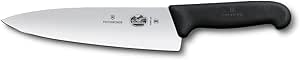 | Best for Durability & Maintenance | Blade Length: 8 inches | Blade Material: Stainless steel | Handle Material: Thermoplastic elastomer (TPE) | VIEW LATEST PRICE | See Our Full Breakdown |
| chef’s knives under $200 | Blade Length | Blade Material | Handle Material | Construction |
|---|---|---|---|---|
| Mercer Culinary Millennia 8-In | 8 inches | High Carbon Japanese Steel | Santoprene | Stamped, Full Tang |
| KEEMAKE 8" Chef Knife | 8 inches | 1.4116 High Carbon Stainless Steel | Pakkawood | Forged |
| Shun Sora 8-Inch Japanese Chef | 8 inches | VG10 core with 420J clad | Textured PP/TPE polymer | — |
| HENCKELS Classic 8-Inch Chef’s | 8 inches | German Stainless Steel | — | Fully Forged |
| Shun Premier 8-Inch Chef’s Kni | 8 inches | VG-MAX core, Damascus clad | Pakkawood | Forged |
| Emojoy 8-Inch Damascus Steel C | 8 inches | 67-layer Damascus steel | Olive wood | Forged |
| Sunnecko 8-Inch Japanese Damas | 8 inches | 67-layer Damascus steel with VG10 core | ABS | Forged, full tang |
| PAUDIN 8-Inch Chef Knife | 8 inches | High Carbon Stainless Steel (5Cr15Mov) | Wood | — |
| Wüsthof Classic 8-Inch Chef’s | 8 inches | High Carbon Stainless Steel | Composite (synthetic) | Forged |
| Atumuryou 8-Inch Japanese Dama | 8 inches | — | Stabilized wood and resin | — |
| SHAN ZU Chef Knife 8 Inch Japa | 8 inches | 10Cr15Mov Damascus Japanese Steel | G10 Glass Fiber | — |
| Amazon Basics 8-Inch Full Tang | 8 inches | High-carbon stainless steel | Metal, stainless steel | Forged, full tang |
| HOSHANHO 8-Inch Chef’s Knife | 8 inches | High Carbon Stainless Steel (10Cr15CoMoV) | Pakkawood | — |
| Atumuryou 8-Inch Hand-Forged V | 8 inches | — | — | Full tang |
| Victorinox Fibrox Pro 8-Inch C | 8 inches | Stainless steel | Thermoplastic elastomer (TPE) | Stamped |
More Details on Our Top Picks
Mercer Culinary Millennia 8-Inch Chef’s Knife
This stamped knife is a workhorse designed for kitchens where speed matters more than ceremonial aesthetics. The high-carbon Japanese steel holds an edge well and is easier to resharpen than the harder steels found in premium options like the KEEMAKE. Its Santoprene handle provides a non-slip grip that stays secure even when wet, a significant advantage over the Pakkawood handles on the KEEMAKE or Shun Premier which can feel slick during heavy use. However, the stamped construction means it lacks the heft and balance of forged knives, which might disappoint cooks who prefer a blade with more momentum. It is strictly hand-wash only, adding a minor maintenance step compared to dishwasher-safe rivals.Pros:- One-piece high-carbon steel resists corrosion and holds a sharp edge
- Ergonomic Santoprene handle stays grippy when hands are wet
- Lightweight design reduces fatigue during long prep sessions
- Full tang construction ensures durability despite being stamped
Cons:- Stamped blade lacks the weight and balance of forged alternatives
- Hand-wash only requirement adds cleanup friction
Best for: Line cooks or busy home chefs who need a durable, lightweight blade for rapid chopping and dicing.
Not ideal for: Collectors or those who prefer the weight and balance of a fully forged knife.
- Blade Length:8 inches
- Blade Material:High Carbon Japanese Steel
- Construction:Stamped, Full Tang
- Handle Material:Santoprene
- Weight:6.7 ounces
- Care:Hand wash only
- Origin:Japan (Steel)
Our verdict“A pragmatic, no-nonsense tool for cooks who prioritize function and easy maintenance over aesthetic appeal.”
KEEMAKE 8″ Chef Knife – High Carbon Stainless Steel with Ergonomic Pakkawood Handle
This knife punches well above its weight class by offering forged construction and a high 58±2 HRC hardness, specs often reserved for more expensive models. The Pakkawood handle offers a premium look and feel that contrasts sharply with the utilitarian Santoprene of the Mercer Millennia. While the 8°–12° edge angle delivers exceptional slicing performance, it demands careful handling to prevent chipping, unlike the more forgiving edge on the HENCKELS Classic. The inclusion of a protective sheath and gift box adds value for those buying as a present. However, the high carbon content means it is more susceptible to rust if not dried immediately, requiring more diligent care than pure stainless alternatives.Pros:- Forged construction provides superior balance and durability
- High hardness (58±2 HRC) ensures excellent edge retention
- Ergonomic Pakkawood handle reduces wrist strain
- Includes protective sheath and gift box
Cons:- High carbon steel requires diligent drying to prevent rust
- Sharp edge angle is prone to chipping if misused
Best for: Enthusiast home cooks who want premium forged performance and aesthetics without breaking the bank.
Not ideal for: Those who want a low-maintenance knife that can withstand occasional neglect.
- Blade Length:8 inches
- Blade Material:1.4116 High Carbon Stainless Steel
- Hardness:58±2 HRC
- Construction:Forged
- Handle Material:Pakkawood
- Edge Angle:8°–12° per side
- Includes:Sheath, Gift Box
Our verdict“The best balance of premium features and affordability for cooks willing to maintain their tools.”
Shun Sora 8-Inch Japanese Chef’s Knife
The Shun Sora introduces beginners to authentic Japanese geometry with its VG10 steel core and 16-degree edge. Unlike the broader, curved profile of the HENCKELS Classic, this gyuto-style blade excels at push-cutting and precise slicing. The textured polymer blend handle offers a secure grip that is more durable and easier to clean than the Pakkawood found on the KEEMAKE. While it lacks the flashy Damascus cladding of the Shun Premier, the Sora delivers 90% of the cutting performance for a fraction of the cost. The main tradeoff is the narrower blade, which feels less stable for rocking cuts compared to Western-style knives.Pros:- Authentic gyuto geometry for precise slicing
- VG10 steel offers excellent sharpness and edge retention
- Textured handle provides a secure, non-slip grip
- Ambidextrous design suits all hand orientations
Cons:- Narrow blade profile feels unfamiliar for rocking cuts
- Less visually striking than Damascus-clad alternatives
Best for: Cooks transitioning to Japanese-style knives who want authentic performance without the premium price tag.
Not ideal for: Users who prefer a wide, curved blade for rocking back and forth.
- Blade Length:8 inches
- Blade Style:Gyuto
- Blade Material:VG10 core with 420J clad
- Edge Angle:16 degrees
- Handle Material:Textured PP/TPE polymer
- Tang:Full tang
- Origin:Japan
Our verdict“An accessible entry point into Japanese cutlery that prioritizes cutting geometry over cosmetic flair.”
HENCKELS Classic 8-Inch Chef’s Knife
This knife is the definition of a reliable kitchen staple. Its fully forged German steel blade is robust and balanced, offering a familiar weight profile that contrasts with the lighter Mercer Millennia. The standout feature here is dishwasher safety, a convenience most high-end Japanese knives like the Shun Premier cannot offer. While the edge geometry is less aggressive than the KEEMAKE, it is more forgiving and easier to maintain with a standard honing steel. The triple-rivet handle is classic and sturdy, though it lacks the ergonomic contouring found on modern Japanese handles. It is a tool that prioritizes longevity and ease of care over extreme sharpness.Pros:- Dishwasher-safe construction simplifies cleanup
- Forged German steel offers excellent durability and balance
- Lifetime warranty provides long-term peace of mind
- Familiar Western profile suits various cutting styles
Cons:- Edge is less sharp than Japanese-style knives
- Requires regular honing to maintain performance
Best for: Home cooks who value convenience and durability over maximum sharpness.
Not ideal for: Enthusiasts who demand a razor-sharp edge out of the box.
- Blade Length:8 inches
- Blade Material:German Stainless Steel
- Construction:Fully Forged
- Handle:Triple-rivet
- Care:Dishwasher-safe
- Warranty:Lifetime
- Origin:Spain
Our verdict“A dependable, low-maintenance workhorse for cooks who want a knife that lasts decades with minimal fuss.”
Shun Premier 8-Inch Chef’s Knife
The Shun Premier is a statement piece as much as a tool, featuring 68 layers of Damascus cladding and a hammered tsuchime finish that reduces food suction. Its VG-MAX steel core holds a sharper edge longer than the standard VG10 in the Shun Sora, justifying the price jump for serious cooks. The contoured Pakkawood handle fits comfortably in the hand, offering a premium tactile experience compared to the plastic handles on budget options. However, this knife demands respect; the thin, hard edge requires careful hand-washing and regular honing, unlike the rugged HENCKELS Classic. It is the pinnacle of aesthetics and performance in this lineup, but only for those who will care for it properly.Pros:- VG-MAX steel provides exceptional sharpness and edge retention
- Hammered finish reduces drag and prevents food sticking
- Stunning Damascus cladding adds visual appeal
- Contoured handle offers a premium, secure grip
Cons:- Requires meticulous hand-washing and drying
- Higher price point than functional equivalents
Best for: Serious home chefs who appreciate craftsmanship and are willing to invest time in maintenance.
Not ideal for: Those looking for a dishwasher-safe or low-maintenance knife.
- Blade Length:8 inches
- Blade Material:VG-MAX core, Damascus clad
- Construction:Forged
- Handle Material:Pakkawood
- Finish:Hammered Tsuchime
- Weight:214 g
- Origin:Japan
Our verdict“The ultimate luxury chef’s knife for those who value beauty and precision in equal measure.”
Emojoy 8-Inch Damascus Steel Chef Knife with Olive Wood Handle
This knife stands out for its aesthetic appeal and presentation. The olive wood handle offers a warm, organic feel that contrasts sharply with the synthetic grips found on the Wüsthof Classic. While the 67-layer Damascus steel looks impressive, the 58 HRC hardness means it holds an edge less effectively than the 62 HRC core of the Atumuryou. You gain visual charm and a lifetime warranty, but you must accept the maintenance burden. Olive wood can dry out or crack if not oiled regularly, unlike the durable ABS on the Sunnecko. This pick makes the most sense for buyers who value the unboxing experience and kitchen display over maximum edge retention.
Pros:- Hand-forged 67-layer Damascus blade with a sharp 15° edge
- Ergonomic olive wood handle with a half-bolster for comfort
- Includes a premium wooden gift box for presentation
- Backed by a lifetime warranty
Cons:- Olive wood requires regular oiling to prevent cracking or drying
- Lower steel hardness (58 HRC) compared to premium Japanese alternatives
- Decorative focus may overshadow long-term performance utility
Best for: Home cooks who prioritize aesthetics and need a knife that looks beautiful in a gift box or on a magnetic strip.
Not ideal for: Professional chefs or heavy-duty users who need low-maintenance, high-hardness steel for all-day prep work.
- Blade Length:8 inches
- Blade Material:67-layer Damascus steel
- Hardness:58 HRC
- Edge Angle:15°
- Handle Material:Olive wood
- Construction:Forged
- Warranty:Lifetime
Our verdict“Choose this if you want a visually striking knife for gifts or display, but be prepared to care for the natural wood handle.”
Sunnecko 8-Inch Japanese Damascus Chef Knife with VG10 Steel
The Sunnecko addresses a common pain point: slipping handles. Its ABS handle provides a secure grip even when hands are wet, a significant advantage over the natural wood of the PAUDIN or the olive wood of the Emojoy. The VG10 steel core offers superior edge retention compared to standard stainless steels, though it requires careful maintenance to avoid chipping. The 10–12° edge angle is aggressive, delivering precise slices for fish and vegetables. However, the synthetic handle lacks the premium tactile feedback of pakkawood or stabilized wood found in higher-tier options. This model is better suited to cooks who prioritize safety and grip stability over traditional handle aesthetics.
Pros:- VG10 steel core provides excellent edge retention and sharpness
- Full-tang construction ensures balanced weight distribution
- ABS handle offers a secure, non-slip grip even when wet
- Aggressive 10–12° edge angle for precise cutting
Cons:- Synthetic handle lacks the premium feel of natural wood
- Hard VG10 core can be brittle and prone to chipping if misused
- Requires frequent honing to maintain the acute edge angle
Best for: Cooks who frequently work with wet or oily hands and need a knife that won’t slip during prep.
Not ideal for: Traditionalists who dislike synthetic materials and prefer the natural feel of wood or pakkawood handles.
- Brand:Sunnecko
- Blade Length:8 inches
- Blade Material:67-layer Damascus steel with VG10 core
- Edge Angle:10–12°
- Construction:Forged, full tang
- Handle Material:ABS
- Packaging:Gift box
Our verdict“Ideal for safety-conscious cooks who need a reliable, non-slip grip and don’t mind a synthetic handle.”
PAUDIN 8-Inch Chef Knife – High Carbon Stainless Steel with Ergonomic Wood Handle
The PAUDIN is a stamped knife, which immediately distinguishes it from the forged options like the Wüsthof Classic or Atumuryou. Stamped blades are generally lighter and less durable, but this makes the knife easier to maneuver for those with smaller hands or less arm strength. The high carbon stainless steel (5Cr15Mov) is a step down from VG10, meaning it will dull faster and require more frequent sharpening. The waved pattern is decorative rather than functional Damascus cladding, a key difference to note when comparing it to the Sunnecko. While the wooden handle is comfortable, it demands more care than synthetic options. This pick makes the most sense for beginners testing the waters of chef knives without committing to high-end materials.
Pros:- Lightweight stamped construction reduces arm fatigue
- Ergonomic wooden handle provides a comfortable, traditional grip
- High carbon stainless steel is easy to sharpen at home
- Includes a gift box for presentation
Cons:- Stamped blade is less durable and flexible than forged alternatives
- Decorative pattern is not real Damascus steel
- Wooden handle requires maintenance to avoid water damage
Best for: Novice cooks or budget-conscious buyers who want a lightweight, easy-to-handle knife for occasional use.
Not ideal for: Serious home cooks or professionals who need a durable, long-lasting edge and robust construction.
- Brand:PAUDIN
- Blade Length:8 inches
- Blade Material:High Carbon Stainless Steel (5Cr15Mov)
- Handle Material:Wood
- Construction Type:Stamped
- Item Weight:6.88 ounces
- Warranty:24 months
Our verdict“A solid starter knife for those prioritizing low weight and low cost over professional-grade durability.”
Wüsthof Classic 8-Inch Chef’s Knife, Black
The Wüsthof Classic remains the benchmark for German engineering. Its full-tang forged blade offers a heft and balance that stamped knives like the PAUDIN cannot match. The synthetic handle is virtually indestructible, resisting fading and water damage, unlike the olive wood on the Emojoy. While it lacks the flashy Damascus cladding of the Atumuryou or Sunnecko, its high-carbon stainless steel edge is renowned for consistency and ease of maintenance. It is lighter than many Japanese counterparts, reducing fatigue during long sessions. This knife is not about novelty; it is about dependable performance. It suits those who value a lifetime of service over aesthetic trends.
Pros:- Precision-forged blade with excellent edge retention and balance
- Indestructible synthetic handle that resists moisture and wear
- Lightweight design reduces hand fatigue during extended use
- Backed by a lifetime warranty and renowned German craftsmanship
Cons:- Limited aesthetic options with only a black handle available
- Less sharp out-of-the-box compared to Japanese VG10 knives
- Heavier than lightweight stamped alternatives
Best for: Professional chefs and serious home cooks who prioritize durability, balance, and a proven track record.
Not ideal for: Buyers seeking exotic materials, Damascus patterns, or the ultra-thin profile of Japanese knives.
- Blade Length:8 inches
- Overall Length:14 inches
- Weight:3.84 ounces
- Handle Material:Composite (synthetic)
- Blade Material:High Carbon Stainless Steel
- Construction:Forged
- Color:Black handle, Silver blade
Our verdict“The safe, reliable choice for anyone who wants a knife that will perform flawlessly for decades without fuss.”
Atumuryou 8-Inch Japanese Damascus Chef Knife with VG-10 Steel Core
The Atumuryou targets the high-performance niche with a 62 HRC VG-10 core, significantly harder than the 58 HRC steel in the Emojoy. This hardness translates to a keener edge that lasts longer, though it demands careful handling to avoid chipping. The stabilized wood and resin handle offers a unique compromise: it feels natural like wood but is durable like synthetic, unlike the pure ABS on the Sunnecko. The 12° edge angle is hand-sharpened, providing exceptional slicing capability for proteins and vegetables. It outperforms the stamped PAUDIN in every metric except weight and price. This model is better suited to enthusiasts who understand knife maintenance and want the closest experience to custom Japanese craftsmanship.
Pros:- High-hardness 62 HRC VG-10 core for superior edge retention
- Hand-sharpened 12° edge delivers exceptional cutting precision
- Stabilized wood and resin handle combines natural feel with durability
- Balanced design reduces wrist strain during repetitive tasks
Cons:- Hard steel is brittle and can chip if used on bones or frozen foods
- Lacks detailed care instructions in the product description
- Requires frequent honing to maintain the acute edge
Best for: Enthusiasts who understand knife care and want a high-hardness, ultra-sharp blade with a unique hybrid handle.
Not ideal for: Beginners who may accidentally chip the hard edge or neglect the required honing schedule.
- Brand:Atumuryou
- Model:AT8101-US02
- Blade length:8 inches
- Core hardness:62 HRC
- Cladding:67-layer Damascus
- Blade edge:Plain, hand-sharpened to 12°
- Handle material:Stabilized wood and resin
Our verdict“A high-performance tool for knowledgeable cooks who want maximum sharpness and don’t mind the maintenance.”
SHAN ZU Chef Knife 8 Inch Japanese Steel Damascus
This blade stands out for its 62 HRC hardness, placing it among the harder options in this roundup. Compared to the softer Victorinox Fibrox Pro, the SHAN ZU holds its edge significantly longer, meaning less frequent sharpening. The 67-layer Damascus construction adds toughness while resisting rust better than pure carbon steel, though it demands more respect than the forgiving Amazon Basics model. Its G10 handle offers a secure, non-slip grip that stays stable even with wet hands, unlike wooden handles that can swell or crack over time. However, the 270g weight feels substantial, which might fatigue users accustomed to lighter stamped blades. This is a tool for those who prioritize sharpness longevity over lightweight maneuverability.
Pros:- High 62 HRC hardness ensures the edge stays sharp longer than softer competitors.
- Damascus layering provides corrosion resistance while maintaining structural toughness.
- G10 handle material is durable, waterproof, and provides a secure grip.
Cons:- Heavier than lightweight stamped alternatives like the Victorinox.
- Forged high-hardness steel is more brittle and requires careful use against hard foods.
Best for: Home cooks who want premium edge retention without the maintenance anxiety of pure carbon steel.
Not ideal for: Users with small hands or wrist issues who prefer lighter, stamped blades for quick tasks.
- Blade Length:8 inches
- Blade Material:10Cr15Mov Damascus Japanese Steel
- Hardness:62 HRC
- Layer Count:67 Layers
- Handle Material:G10 Glass Fiber
- Weight:270 g
- Cutting Angle:15 degrees
Our verdict“Choose this if you value a long-lasting edge and durable handle over lightweight handling.”
Amazon Basics 8-Inch Full Tang Stainless Steel Chef’s Knife
This knife serves as the pragmatic baseline for the collection. While it lacks the exotic aesthetics of the SHAN ZU or the refined sharpness of the HOSHANHO, its high-carbon stainless steel offers reliable performance for daily chopping and dicing. The full-tang construction ensures balance and durability, rivaling more expensive forged knives in structural integrity. However, the hand-wash-only requirement is a significant inconvenience compared to the dishwasher-safe Victorinox Fibrox Pro. It does not hold an edge as well as the harder Japanese steels, requiring more frequent honing. This is the ideal choice for those who need a robust, no-nonsense tool that can take a beating in a busy kitchen without breaking the bank.
Pros:- Forged full-tang construction provides excellent balance and durability.
- Stainless steel blade resists rust and pitting with minimal maintenance.
- Semi-bolster design allows for full-blade access and easy honing.
Cons:- Strict hand-wash-only policy reduces convenience compared to dishwasher-safe rivals.
- Edge retention is moderate compared to high-hardness Japanese steel options.
Best for: Students, first-time cooks, or anyone needing a durable, low-cost daily driver.
Not ideal for: Users who prioritize dishwasher safety or want the finest possible slicing performance.
- Blade Length:8 inches
- Blade Material:High-carbon stainless steel
- Construction:Forged, full tang
- Handle Material:Metal, stainless steel
- Weight:0.23 kg
- Care:Hand wash only
- Edge Type:Plain
Our verdict“A solid, balanced choice for those who prioritize durability and low cost over premium materials.”
HOSHANHO 8-Inch Chef’s Knife – Japanese High Carbon Steel
The 13-degree edge angle sets this knife apart, offering finer slicing capability than the standard 15-degree angle found on the SHAN ZU. This acute geometry excels at clean cuts through tomatoes and herbs, though it is more delicate than the robust Amazon Basics blade. The 60 HRC hardness strikes a balance between edge retention and toughness, making it less prone to chipping than the 62 HRC options. Its pakkawood handle is engineered to promote a proper pinch grip, offering better control than the generic handles on budget models. However, the 350g weight makes it the heaviest in this group, potentially causing fatigue during prolonged use. It is a specialist tool for those who value surgical precision over all-purpose versatility.
Pros:- Acute 13-degree edge angle provides superior sharpness for delicate slicing.
- Ergonomic pakkawood handle encourages proper technique and comfortable grip.
- Matte finish reduces glare and resists corrosion effectively.
Cons:- Heaviest option at 350g, which may cause fatigue during extended prep sessions.
- High carbon content requires diligent drying to prevent surface rust.
Best for: Enthusiasts who prioritize fine slicing and have developed a proper pinch grip.
Not ideal for: Users with small hands or those who chop through heavy bones or hard vegetables.
- Blade Length:8 inches
- Blade Material:High Carbon Stainless Steel (10Cr15CoMoV)
- Hardness:60 HRC
- Edge Angle:13 degrees per side
- Handle Material:Pakkawood
- Item Weight:350 g
- Construction Type:Forged
Our verdict“Ideal for cooks who demand maximum sharpness and can manage the heavier weight.”
Atumuryou 8-Inch Hand-Forged VG10 Damascus Chef Knife
This knife combines visual drama with functional performance. The Kurouchi finish gives it a rugged, traditional look that hides minor scratches better than the polished surfaces of the Shun Sora. The VG10 core and 62 HRC hardness match the edge retention of the SHAN ZU, while the 12-degree edge rivals the sharpness of the HOSHANHO. The included leather sheath is a rare bonus, offering better protection than the bare blades of most competitors. However, the stabilized wood handle requires more care than the synthetic G10 of the SHAN ZU, and the thin edge is strictly unsuited for hard ingredients. This is for the cook who views their knife as a centerpiece of the kitchen as much as a tool.
Pros:- Includes a genuine leather sheath for safe and stylish storage.
- Hand-sharpened 12-degree edge offers exceptional slicing precision.
- Kurouchi finish provides a unique, non-reflective aesthetic that hides wear.
Cons:- Very thin edge is prone to chipping if used on hard or frozen items.
- Requires immediate hand-drying to prevent rust on the high-carbon core.
Best for: Gift buyers or cooks who appreciate traditional Japanese aesthetics and included storage solutions.
Not ideal for: Rough-use cooks who frequently cut through frozen foods or hard bones.
- Blade Length:8 inches
- Blade Steel:Japanese VG10 core with 67-layer Damascus
- Hardness:62 HRC
- Edge Angle:12°
- Handle:Stabilized wood and resin
- Construction:Full tang
- Included Accessories:Genuine leather sheath
Our verdict“A beautiful, sharp choice for those who want a knife that looks as good as it cuts.”
Victorinox Fibrox Pro 8-Inch Chef’s Knife
While it lacks the prestige of the Wüsthof Classic or the sharpness of the HOSHANHO, the Victorinox Fibrox Pro wins on practicality. Its stamped construction makes it significantly lighter than the forged SHAN ZU or HOSHANHO, reducing wrist strain during long prep sessions. The TPE handle provides a non-slip grip that remains secure even when wet, outperforming the wooden handles on many rivals. Most critically, it is dishwasher safe, a feature absent in almost every other premium knife in this list. The steel is softer, so it dulls faster than the 62 HRC options, but it is also easier to sharpen. This is the undisputed champion for high-volume, low-maintenance environments.
Pros:- Dishwasher safe construction offers unmatched convenience for cleanup.
- Lightweight stamped blade reduces fatigue during extended use.
- Non-slip TPE handle ensures safety in wet, messy kitchen conditions.
Cons:- Softer steel requires more frequent sharpening than high-hardness Japanese options.
- Stamped construction lacks the perceived balance and weight of forged knives.
Best for: Professional line cooks, busy families, or anyone who needs to run knives through the dishwasher.
Not ideal for: Users who demand razor-sharp precision out of the box or dislike softer steel.
- Blade Length:8 inches
- Blade Material:Stainless steel
- Handle Material:Thermoplastic elastomer (TPE)
- Construction:Stamped
- Dishwasher Safe:Yes
- Country of Origin:Switzerland
- Warranty:Lifetime against defects
Our verdict“The most practical and durable choice for high-volume cooking and easy maintenance.”
How We Picked
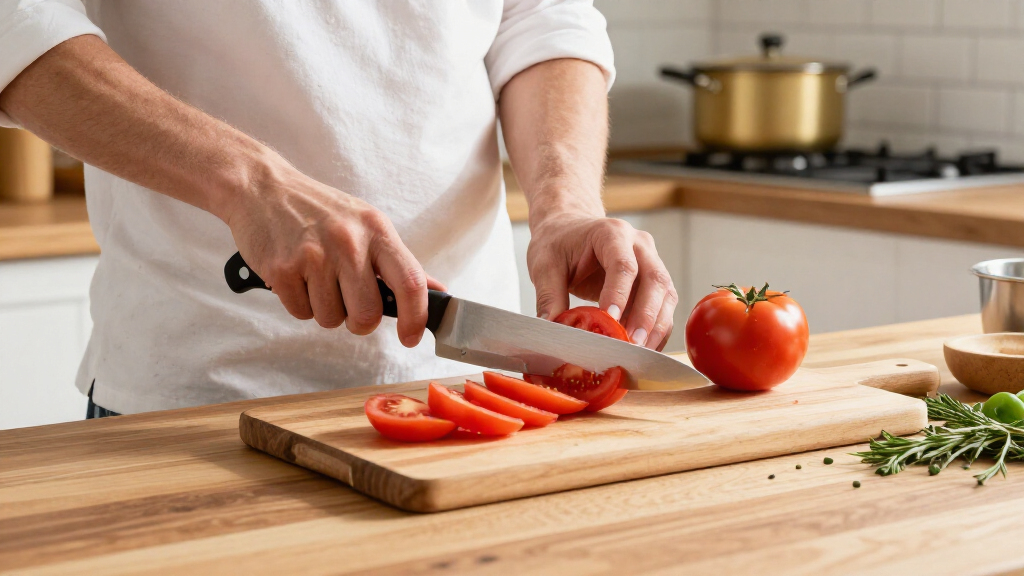
To select these fifteen knives, I analyzed build quality, steel composition, and user-reported durability rather than relying solely on marketing claims. I prioritized blades that maintain a sharp edge through regular use and withstand the rigors of home kitchens, which often involve washing in dishwashers (a practice I advise against, but must account for). The ranking logic favors versatility and longevity; a knife that dulls quickly or chips easily ranks lower than a simpler tool that performs consistently over years.
I also evaluated the balance and weight distribution of each model. A chef’s knife should feel like an extension of the hand, not a burden. Products were compared based on their geometry—specifically the heel-to-tip curvature and spine thickness—to determine which suited general prep work versus specialized slicing. This ensures the recommendations reflect real-world utility rather than just aesthetic appeal.
| chef’s knives under $200 | Construction |
|---|---|
| Mercer Culinary Millennia 8-In | Stamped, Full Tang |
| KEEMAKE 8" Chef Knife | Forged |
| Shun Sora 8-Inch Japanese Chef | — |
| HENCKELS Classic 8-Inch Chef’s | Fully Forged |
| Shun Premier 8-Inch Chef’s Kni | Forged |
| Emojoy 8-Inch Damascus Steel C | Forged |
| Sunnecko 8-Inch Japanese Damas | Forged, full tang |
| PAUDIN 8-Inch Chef Knife | — |
| Wüsthof Classic 8-Inch Chef’s | Forged |
| Atumuryou 8-Inch Japanese Dama | — |
| SHAN ZU Chef Knife 8 Inch Japa | — |
| Amazon Basics 8-Inch Full Tang | Forged, full tang |
| HOSHANHO 8-Inch Chef’s Knife | — |
| Atumuryou 8-Inch Hand-Forged V | Full tang |
| Victorinox Fibrox Pro 8-Inch C | Stamped |
Factors to Consider When Choosing Best Chef’s Knives Under $200
Choosing a chef’s knife is personal, but understanding the technical differences helps you avoid buying a tool that fights your cooking style. This guide breaks down the factors that actually matter when spending up to $200.German vs. Japanese Blade Geometry
The primary divide in this category is between German and Japanese engineering. German-style knives, exemplified by Wüsthof and Henckels, typically feature a thicker spine and a more gradual curve. This design excels at rocking back and forth for chopping herbs or mincing garlic and withstands the occasional encounter with hard squash or bone. In contrast, Japanese-style knives like Shun or Mercer have thinner spines and sharper edge angles. They slice through tomatoes and fish with less resistance but require a push-cut or pull-cut motion rather than a rocking one. If you are used to the German style, switching to Japanese steel may feel fragile until you adjust your technique.
Steel Hardness and Edge Retention
Hardness is measured on the Rockwell C scale (HRC), and it dictates how long a knife stays sharp versus how easily it chips. German steels usually sit around 56-58 HRC. They are softer, meaning they dull faster but are much easier to sharpen on a standard whetstone or honing steel. Japanese steels often range from 60-63 HRC or higher. They hold an edge for months longer but are brittle; dropping one or cutting frozen food can cause micro-chips. For a home cook who dislikes frequent sharpening, the longer retention of high-HRC Japanese knives is appealing, but you must be willing to hand-wash them and avoid hard surfaces.
The Truth About Damascus Patterns
Many knives under $200 advertise a ‘Damascus’ finish. It is important to distinguish between functional clad steel and cosmetic etching. Premium makers like Shun use layered steel where the hard core is protected by softer outer layers, improving durability and reducing food stickiness. Budget brands may use a laser-etched pattern on a single piece of stainless steel to mimic this look. While the cosmetic version still cuts well, it offers no performance benefit over a plain stainless blade. Do not pay extra for a Damascus pattern unless the product explicitly states the core steel type, such as VG-10 or SG2.
Handle Ergonomics and Material
A knife is only as good as your grip on it. Pakkawood and synthetic materials like Polyoxymethylene (POM) are non-porous, resistant to warping, and safe for humid environments. They often have textured surfaces that prevent slipping when hands are wet. Natural wood handles look beautiful but require oiling and careful drying to prevent cracking or bacterial growth. If you plan to keep your knife in a drawer or block with other tools, a synthetic handle is more durable. If you appreciate traditional aesthetics and don’t mind maintenance, natural wood offers a warmer feel and unique grain patterns.
Maintenance and Sharpening Requirements
Every knife dulls, but the method of restoration varies. Soft German steel responds well to a honing rod, which realigns the edge between sharpenings. Hard Japanese steel cannot be honed on a standard steel rod; it requires a whetstone or electric sharpener to remove material and create a new edge. Consider your willingness to learn sharpening techniques. If you want a ‘set it and forget it’ tool, a softer German knife that can be quickly touched up at home might save you more frustration than a super-hard Japanese blade that requires a 15-minute session on a stone every few months.
Frequently Asked Questions
Can I put these chef’s knives in the dishwasher?
While some manufacturers label their knives as dishwasher safe, I strongly advise against it for any quality blade. The high heat and harsh detergents degrade handle materials, loosen rivets, and cause micro-corrosion on the blade. More importantly, the tumbling action against other dishes knocks the edge against pots and plates, dulling it rapidly. Hand washing with mild soap and drying immediately extends the life of the knife and preserves the edge, regardless of the price point.
Is a 6-inch or 8-inch chef’s knife better for a small kitchen?
An 8-inch chef’s knife is the standard for a reason, but a 6-inch version is often more manageable in tight spaces. If you have limited counter space or struggle with wrist fatigue, the shorter blade offers better control and less intimidation. However, an 8-inch knife allows for more efficient chopping of larger vegetables and meats. If you are new to cooking, starting with an 8-inch knife builds good habits, but if you find it unwieldy, a 6-inch or 7-inch model is a valid compromise that doesn’t sacrifice versatility.
Do expensive knives actually stay sharper longer than budget ones?
Generally, yes, but the difference is often exaggerated in marketing. A $100 knife with high-quality steel will outlast a $20 knife in edge retention. However, the jump from $100 to $200 yields diminishing returns in sharpness longevity. The main difference at the higher end is often consistency in heat treatment and better handle ergonomics. A well-maintained $50 knife can outperform a neglected $200 knife. Proper sharpening technique matters more than the initial price tag.
What is the best way to store these knives?
A magnetic strip or a dedicated knife block is superior to a drawer. Storing knives loose in a drawer causes the edges to bang against other utensils, leading to dullness and potential nicks on your hands when reaching in. A magnetic strip keeps blades visible and accessible while preventing contact with other metal. If you prefer a block, ensure the slots are clean and dry to prevent moisture buildup around the blade, which can cause rust on carbon steel or even stain stainless steel over time.
Should I buy a knife set or just a single chef’s knife?
For most home cooks, buying a single high-quality chef’s knife is smarter than purchasing a large set. Sets often include inferior paring knives, serrated knives, and scissors that you may never use, diluting the value. Instead, invest in one excellent 8-inch chef’s knife and add a good paring knife later if needed. This approach allows you to focus your budget on the tool you use 80% of the time, rather than spreading funds across mediocre pieces.
Conclusion
Choosing the right chef’s knife depends on your cooking habits and maintenance preferences. For the Best Overall balance of durability and performance, the Wüsthof Classic 8-Inch Chef’s Knife is the reliable choice for most kitchens. If you want Best Value without compromising on cutting ability, the Victorinox Fibrox Pro is unbeatable. For those seeking Best Premium aesthetics and sharpness, the Shun Premier delivers a stunning experience, provided you treat it with care. Beginners will find the Mercer Culinary Millennia approachable and forgiving, while enthusiasts who prioritize thin slicing will appreciate the HENCKELS Classic for its refined German geometry.