For headphones for audiophiles, my best overall pick is the Sennheiser HD 600, a strong choice for natural, balanced listening. The HIFIMAN Edition XS stands out for planar-driver detail and a spacious presentation, while the Audio-Technica ATH-M50x suits listeners who want a closed-back design for shared spaces. The main tradeoffs are open versus closed construction, sound signature, comfort, and how much amplification a pair may need. Read on for how all 15 options compare and which one fits your listening habits.

Get kitchen gear delivered free with Prime
- Fast, free delivery on millions of items
- Prime Video, Amazon Music and more included
- Member-only deals all year
Complete the kit


Key Takeaways
- The Sennheiser HD 600 leads for listeners who value a balanced, natural presentation, while HIFIMAN’s planar models offer a different route to detail and spaciousness.
- The HIFIMAN Edition XS makes planar listening accessible without requiring a flagship-tier pick, but its large open-back design is less suited to travel or shared rooms.
- The ATH-M50x is the lineup’s practical closed-back choice; most other picks are open-back and leak sound in both directions.
- Sennheiser’s HD 560S, HD 599, HD 505, HD 650, and HD 600 serve different listening preferences, so choosing by brand alone misses meaningful differences in tuning and use.
- Studio-focused models such as the Sony MDR7506 and ATH-M20x prioritize monitoring utility, while premium options such as the HIFIMAN HE1000 Stealth target buyers willing to prioritize refinement over practicality.
| HIFIMAN HE400SE Open-Back Planar Magnetic Wired Headphones |  | Best Entry to Planar Sound | Driver: Planar magnetic | Design: Over-ear, open-back, wired | Impedance: 32 ohms | VIEW ON AMAZON | See Our Full Breakdown |
| Audio-Technica ATH-M50x Professional Studio Monitor Headphones | 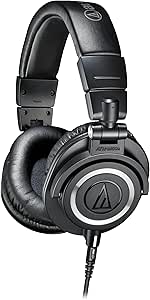 | Best Closed-Back Studio Pick | Driver type: Dynamic | Driver size: 45 mm | Design: Over-ear, circumaural | VIEW ON AMAZON | See Our Full Breakdown |
| Sony MDR7506 Large Diaphragm Headphones | 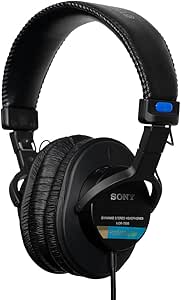 | Best for Portable Studio Monitoring | Driver size: 40 mm | Design: Closed-ear, foldable | Frequency response: 10 Hz–20 kHz | VIEW ON AMAZON | See Our Full Breakdown |
| HIFIMAN Arya Organic Open-Back Planar Magnetic Headphones |  | Best Premium Planar Pick | Driver type: Planar magnetic | Design: Open-back, over-ear | Diaphragm: Nanometer-thickness | VIEW ON AMAZON | See Our Full Breakdown |
| Audio-Technica ATH-M20x Professional Studio Monitor Headphones |  | Best for Budget-Conscious Tracking | Driver size: 40 mm | Design: Over-ear studio monitor | Frequency response: 15–20,000 Hz | VIEW ON AMAZON | See Our Full Breakdown |
| Sennheiser HD 599 Open-Back Wired Headphones, Ivory |  | Best for Comfortable, Relaxed Listening | Type: Open-back, over-ear wired headphones | Driver: Dynamic | Impedance: 50 ohms | VIEW ON AMAZON | See Our Full Breakdown |
| Sennheiser HD 650 Open-Back Audiophile Headphones | 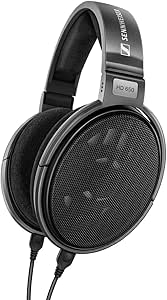 | Best for Natural, Long-Session Listening | Type: Open-back, over-ear wired headphones | Driver type: Dynamic | Driver size: 42 mm | VIEW ON AMAZON | See Our Full Breakdown |
| Sennheiser HD 600 Open-Back Wired Headphones |  | Best for Critical Listening | Type: Open-back, wired, over-ear headphones | Impedance: 300 ohms | Frequency response: 12–39,000 Hz | VIEW ON AMAZON | See Our Full Breakdown |
| HIFIMAN Edition XS Open-Back Planar Magnetic Headphones |  | Best for a Wide Planar Soundstage | Design: Over-ear, open-back | Driver type: Planar magnetic | Impedance: 18 ohms | VIEW ON AMAZON | See Our Full Breakdown |
| Sennheiser HD 560S Open-Back Wired Over-Ear Headphones |  | Best for Accurate Listening and Source Flexibility | Type: Open-back, over-ear headphones | Connectivity: Wired | Driver type: Dynamic | VIEW ON AMAZON | See Our Full Breakdown |
| Sennheiser HD 505 Copper Edition Wired Open-Back Headphones | 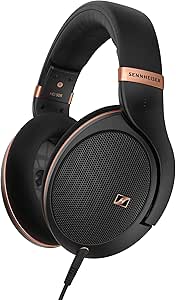 | Best for Spacious, Natural Listening | Design: Open-back, over-ear | Driver type: Dynamic | Connectivity: Wired, 3.5 mm jack | VIEW ON AMAZON | See Our Full Breakdown |
| HIFIMAN Sundara Over-Ear Planar Magnetic Headphones |  | Best Planar-Magnetic Value | Type: Wired over-ear planar magnetic headphones | Frequency response: 6 Hz–75 kHz | Impedance: 37 ohms | VIEW ON AMAZON | See Our Full Breakdown |
| HIFIMAN HE1000 Stealth Magnet Open-Back Planar Magnetic Headphones |  | Best Premium Planar Construction | Driver type: Planar magnetic | Design: Open-back, over-ear | Diaphragm: Nanometer-thin planar diaphragm | VIEW ON AMAZON | See Our Full Breakdown |
| Philips SHP9500 Over-Ear Wired Open-Back Headphones |  | Best for Accessible Open-Back Listening | Driver size: 50 mm | Driver type: Dynamic, neodymium | Design: Open-back, over-ear | VIEW ON AMAZON | See Our Full Breakdown |
| MEZE AUDIO 105 AER Wired Open-Back Over-Ear Headphones |  | Best for Warm, Full-Bodied Sound | Design: Open-back, over-ear | Driver type: Dynamic | Driver size: 50 mm | VIEW ON AMAZON | See Our Full Breakdown |
| headphones for audiophile | Impedance | Design | Sensitivity | Driver type |
|---|---|---|---|---|
| HIFIMAN HE400SE Open-Back Plan | 32 ohms | Over-ear, open-back, wired | 91 dB | — |
| Audio-Technica ATH-M50x Profes | 38 ohms | Over-ear, circumaural | 99 dB | Dynamic |
| Sony MDR7506 Large Diaphragm H | — | Closed-ear, foldable | — | — |
| HIFIMAN Arya Organic Open-Back | 16 ohms | Open-back, over-ear | 94 dB | Planar magnetic |
| Audio-Technica ATH-M20x Profes | 47 ohms | Over-ear studio monitor | 96 dB | — |
| Sennheiser HD 599 Open-Back Wi | 50 ohms | — | — | — |
| Sennheiser HD 650 Open-Back Au | — | — | 103 dB | Dynamic |
| Sennheiser HD 600 Open-Back Wi | 300 ohms | — | — | — |
| HIFIMAN Edition XS Open-Back P | 18 ohms | Over-ear, open-back | 92 dB | Planar magnetic |
| Sennheiser HD 560S Open-Back W | 120 ohms | — | 110 dB | Dynamic |
| Sennheiser HD 505 Copper Editi | — | Open-back, over-ear | — | Dynamic |
| HIFIMAN Sundara Over-Ear Plana | 37 ohms | — | 94 dB | — |
| HIFIMAN HE1000 Stealth Magnet | — | Open-back, over-ear | — | Planar magnetic |
| Philips SHP9500 Over-Ear Wired | 32 ohms | Open-back, over-ear | 101 dB | Dynamic, neodymium |
| MEZE AUDIO 105 AER Wired Open- | 42 ohms | Open-back, over-ear | 112 dB | Dynamic |
More Details on Our Top Picks
HIFIMAN HE400SE Open-Back Planar Magnetic Wired Headphones
The HE400SE is my pick for listeners who want to explore planar magnetic sound without moving straight to a premium model. Its Stealth Magnets are designed to reduce distortion, while the open-back construction gives music room to sound spacious; that openness also means sound leaks in and out, so it suits a quiet listening spot rather than commuting. Compared with the closed-back Audio-Technica ATH-M50x, the HE400SE favors an airy presentation over isolation and portability. Its 32-ohm impedance and 91 dB sensitivity make it a practical match for many sources, though the ATH-M50x is the more convenient pick when you need to shut out nearby noise. The lightweight adjustable headband supports longer sessions, but the wired connection keeps movement tethered.
Pros:- Planar magnetic drivers with Stealth Magnets designed to reduce distortion
- Open-back design suited to spacious home listening
- Adjustable lightweight headband for extended sessions
- Includes a 6.35 mm adapter alongside the 3.5 mm cable
Cons:- Open-back cups provide no noise isolation and leak sound
- Wired-only connectivity limits movement
- Plastic enclosure may feel less substantial than premium alternatives
Best for: Listeners trying planar magnetic headphones at home who have a quiet room and a compatible wired source.
Not ideal for: Commuters, shared-space listeners, or anyone who needs wireless freedom or noise isolation.
- Driver:Planar magnetic
- Design:Over-ear, open-back, wired
- Impedance:32 ohms
- Sensitivity:91 dB
- Frequency response:20 Hz–20 kHz
- Connection:3.5 mm cable; 6.35 mm adapter included
- Weight:390 g
- Enclosure material:Plastic
Our verdict“Choose the HE400SE to explore open-back planar listening at home, but pick the ATH-M50x if isolation matters more than an airy presentation.”
Audio-Technica ATH-M50x Professional Studio Monitor Headphones
The ATH-M50x earns its place for audiophiles who need closed-back isolation without giving up a detailed, bass-capable sound. Its 45 mm dynamic drivers and sound-isolating earcups make it a more practical choice for a busy room than the open-back HIFIMAN HE400SE, which lets outside noise through. Swiveling earcups also help when monitoring with one ear, and the foldable frame is easier to pack than a full-size open-back set. The tradeoff is a more enclosed presentation: listeners seeking the broad, room-like feel of open-back designs such as the Sennheiser HD 600 should look elsewhere. A detachable cable is useful for replacement or storage, but this remains a wired headphone, and its isolation does not make it a wireless travel solution.
Pros:- 45 mm dynamic drivers with clear sound and deep, accurate bass
- Closed circumaural earcups help isolate the listener
- Detachable cable supports replacement and easier storage
- Foldable construction and 90-degree swiveling earcups suit monitoring
Cons:- Closed-back presentation is less open than the Sennheiser HD 600
- Wired-only connectivity restricts movement
- Not water resistant
Best for: Home-studio users and detail-focused listeners who need isolation, a detachable cable, and headphones that fold for storage.
Not ideal for: Listeners prioritizing an open, spacious presentation or those who need wireless use and water resistance.
- Driver type:Dynamic
- Driver size:45 mm
- Design:Over-ear, circumaural
- Frequency response:20 Hz–28,000 Hz
- Impedance:38 ohms
- Sensitivity:99 dB
- Connection:Wired, 3.5 mm; detachable cable
- Features:Sound-isolating, foldable, 90-degree swiveling earcups
Our verdict“Pick the ATH-M50x for isolated studio listening and flexible monitoring, not for the expansive feel of an open-back audiophile design.”
Sony MDR7506 Large Diaphragm Headphones
The MDR7506 is the practical choice here for listeners who value closed-ear isolation and a foldable, work-ready design over open-back staging. Its 40 mm drivers are intended to deliver detailed sound, and the supplied soft case helps protect the headphones during storage or travel. Compared with the Audio-Technica ATH-M50x, the Sony has a fixed cable rather than a detachable one, making cable wear harder to address; its unimatch plugs, however, accommodate both 1/4-inch and 1/8-inch connections. The 9.8-foot lead is useful at a studio desk but can be cumbersome on the move. Audiophiles seeking the spacious presentation of the HIFIMAN HE400SE should choose an open-back model instead, since the MDR7506 prioritizes isolation and practicality.
Pros:- 40 mm drivers and neodymium magnets for detailed sound
- Closed-ear cups provide strong noise isolation
- Foldable design and included soft case aid storage and travel
- Unimatch plugs support 1/4-inch and 1/8-inch connections
Cons:- Fixed 9.8-foot cable cannot be detached or easily replaced
- Wired-only design limits freedom of movement
- Closed-ear presentation is less open than the HIFIMAN HE400SE
Best for: Studio workers and detail-oriented listeners who want closed-ear isolation, foldability, and a case for storage or travel.
Not ideal for: Listeners who want open-back spaciousness, a short or replaceable cable, or wireless convenience.
- Driver size:40 mm
- Design:Closed-ear, foldable
- Frequency response:10 Hz–20 kHz
- Cable length:9.8 ft
- Cord material:Oxygen-free copper
- Connectors:Gold-plated 1/4-inch and 1/8-inch unimatch plugs
- Weight:8 oz
- Included accessories:Soft protective case and 1/4-inch adapter
Our verdict“Choose the MDR7506 for isolated, portable studio monitoring, but favor the ATH-M50x if a detachable cable is a priority.”
HIFIMAN Arya Organic Open-Back Planar Magnetic Headphones
The Arya Organic is the premium choice in this batch for listeners seeking advanced planar construction and an open-back design for focused home listening. Its nanometer-thickness diaphragm and Stealth Magnets are designed to reduce distortion, while the ergonomic headband and asymmetrical cups address fit during longer sessions. Compared with the more accessible HIFIMAN HE400SE, the Arya Organic is the more ambitious planar option, but its open-back layout shares the same basic limitation: it offers no noise control and is poorly suited to public spaces. Replaceable 3.5 mm connectors make cable swapping easier, though the supplied cable ends in a 6.35 mm plug, which may call for an adapter with some sources. Its 16-ohm impedance is low, but the listed 94 dB sensitivity still makes source matching worth attention.
Pros:- Planar driver with a nanometer-thickness diaphragm
- Stealth Magnets are designed to reduce sound-wave interference
- Replaceable 3.5 mm connectors support cable changes
- Ergonomic headband and asymmetrical earcups
Cons:- Open-back design provides no noise control and leaks sound
- Supplied cable uses a 6.35 mm plug, which may require an adapter
- Wired design is less suited to portable use than closed-back options
Best for: Experienced home listeners seeking a premium open-back planar design, ergonomic fit, and user-replaceable cable connections.
Not ideal for: Travelers, listeners in noisy or shared rooms, and buyers who need a supplied 3.5 mm plug or wireless playback.
- Driver type:Planar magnetic
- Design:Open-back, over-ear
- Diaphragm:Nanometer-thickness
- Impedance:16 ohms
- Sensitivity:94 dB
- Connectors:User-replaceable 3.5 mm
- Cable plug:6.35 mm
- Cable:Crystalline copper
Our verdict“Choose the Arya Organic for premium planar listening in a quiet room; the HE400SE is the simpler choice if you want a more accessible entry point.”
Audio-Technica ATH-M20x Professional Studio Monitor Headphones
The ATH-M20x is the straightforward studio-monitor option for buyers who want closed-back isolation and a low-frequency-focused tuning for tracking. Its 40 mm drivers and circumaural cups make it more suitable for monitoring in a shared or active room than the open-back HIFIMAN HE400SE. Against the ATH-M50x, this model gives up the detachable cable, foldable design, and swiveling earcups, so it is less adaptable for frequent transport or one-ear monitoring. The single-sided 3 m lead keeps the cable route simple at a desk, but its fixed length can feel restrictive away from a studio setup. Audiophiles after a spacious, open presentation should look to the Sennheiser HD 560S instead; the M20x is aimed at practical tracking, not open-back listening.
Pros:- 40 mm drivers tuned for enhanced low-frequency performance
- Circumaural earcups provide sound isolation
- Single-sided cable exit keeps the lead routed from one side
- Designed for studio tracking and mixing
Cons:- Fixed 3 m cable cannot be detached and may be unwieldy away from a desk
- Lacks the folding and swiveling features of the ATH-M50x
- Closed-back design does not offer the open presentation of the Sennheiser HD 560S
Best for: Newer studio users and home recordists who need isolated wired headphones for tracking at a desk.
Not ideal for: Audiophiles seeking open-back staging, frequent travelers who need a compact foldable design, or anyone who wants a detachable cable.
- Driver size:40 mm
- Design:Over-ear studio monitor
- Frequency response:15–20,000 Hz
- Impedance:47 ohms
- Sensitivity:96 dB
- Cable length:3 m (9.8 ft)
- Connection:3.5 mm headphone jack
- Warranty:2 years
Our verdict“Pick the ATH-M20x for basic isolated tracking; spend a step up to the ATH-M50x if you need a detachable cable and more flexible monitoring.”
Sennheiser HD 599 Open-Back Wired Headphones, Ivory
The HD 599 suits listeners who want an easygoing, spacious presentation for long sessions at home. Its open-back design gives music room to breathe, while the velour pads and padded headband favor comfort over a compact, sealed fit. Compared with the more studio-oriented HD 600, the HD 599 is the less demanding choice on paper, with 50-ohm impedance rather than 300 ohms. Its included 3.5 mm and 6.3 mm cables also make it straightforward to connect to different home sources. The tradeoff is that open backs leak sound and let outside noise in, so these are a poor match for shared spaces or travel. I’d choose the HD 599 for comfort-first listening, not for isolation or a strictly critical-monitoring role.
Pros:- Open-back presentation creates a natural sense of space
- Velour-covered, replaceable ear pads and padded headband support long sessions
- Includes detachable cables with both 3.5 mm and 6.3 mm connections
Cons:- Open-back construction provides no noise control and leaks sound
- Not water resistant, limiting use outside a dry, indoor listening setup
Best for: Home listeners who prioritize a comfortable fit and spacious sound for extended music sessions, with access to a quiet room.
Not ideal for: Commuters, office listeners near other people, or buyers who need noise isolation or a water-resistant design.
- Type:Open-back, over-ear wired headphones
- Driver:Dynamic
- Impedance:50 ohms
- Frequency range:12–38,500 Hz
- Color:Ivory
- Cable:Detachable; 3 m cable with 6.3 mm jack and 1.2 m cable with 3.5 mm jack
- Ear pads:Replaceable, velour-covered
- Warranty:1 year
Our verdict“Choose the HD 599 for comfortable, spacious home listening if you value ease of use over isolation and critical studio focus.”
Sennheiser HD 650 Open-Back Audiophile Headphones
The HD 650 is the choice here for listeners who want a natural-sounding, comfortable headphone for a dedicated home setup. Its matched dynamic drivers and acoustic silk damping are designed to support consistent playback, while the supplied 3.5 mm and 1/4-inch connectors offer flexibility across common listening equipment. Compared with the HD 599, this is the more explicitly audiophile-focused option, but it shares the same basic limitation: an open-back fit that neither blocks room noise nor keeps music private. The HD 600 is a closer alternative for critical listening and mastering; the HD 650 instead makes a strong case for relaxed, extended sessions. It remains wired, so listeners seeking wireless convenience or a headphone for noisy environments should look elsewhere.
Pros:- Matched dynamic drivers and acoustic silk damping are designed for natural sound
- Comfortable fit suited to extended home listening
- Includes both 3.5 mm and 1/4-inch connectors
- Aluminum enclosure material
Cons:- Open-back construction does not block outside noise and allows sound leakage
- Wired-only design limits mobility and convenience
Best for: Dedicated home listeners who want a natural presentation, extended-wear comfort, and compatibility with both 3.5 mm and 1/4-inch connections.
Not ideal for: People who listen in noisy or shared spaces, or who want wireless playback and freedom from a cable.
- Type:Open-back, over-ear wired headphones
- Driver type:Dynamic
- Driver size:42 mm
- Frequency range:10 Hz–41,000 Hz
- Sensitivity:103 dB
- Connectors:3.5 mm jack and 1/4-inch connector
- Enclosure material:Aluminum
- Warranty:2 years
Our verdict“Pick the HD 650 for natural, comfortable listening in a quiet home setup, but choose a closed-back or wireless model for shared spaces.”
Sennheiser HD 600 Open-Back Wired Headphones
For detail-focused listening, studio work, or mastering, the HD 600 is the most purpose-built Sennheiser in this group. Its 300-ohm impedance makes source matching more consequential than with the 50-ohm HD 599, so I’d pair it with equipment suited to driving higher-impedance headphones. In return, the HD 600 is designed for detailed, natural sound and spacious stereo imaging, with a lightweight 260 g build and plush pads that help during long sessions. Its detachable, reinforced cable is a practical advantage over a fixed lead, though it does not change the open-back design’s lack of isolation. Compared with the HD 650, this model is the more direct fit for critical listening and mastering; compared with the Edition XS, it avoids planar drivers in favor of a traditional dynamic design.
Pros:- Designed for detailed, natural sound and spacious stereo imaging
- Lightweight 260 g construction and plush ear pads support long sessions
- Detachable, Kevlar-reinforced oxygen-free copper cable
- Well suited to critical listening and mastering
Cons:- 300-ohm impedance can call for a compatible source or amplifier
- Open-back construction offers limited noise isolation and leaks sound
Best for: Mixers, mastering listeners, and audiophiles with a compatible source who want a lightweight headphone for focused, detailed listening.
Not ideal for: Listeners using low-powered sources that may not suit 300-ohm headphones, or anyone who needs isolation for commuting or shared rooms.
- Type:Open-back, wired, over-ear headphones
- Impedance:300 ohms
- Frequency response:12–39,000 Hz
- Total harmonic distortion:0.1%
- Weight:260 g
- Cable:Detachable, Kevlar-reinforced oxygen-free copper
- Warranty:2 years
Our verdict“Choose the HD 600 for critical listening and mastering if your source can drive its 300-ohm load and your room is quiet.”
HIFIMAN Edition XS Open-Back Planar Magnetic Headphones
The Edition XS is the lineup’s planar pick for listeners who want a broad, spacious presentation and detailed playback. Its planar magnetic driver, thin NEO supernano diaphragm, and Stealth Magnet design distinguish it from the dynamic-driver HD 600 and HD 650. The 18-ohm impedance is low, but the listed 92 dB sensitivity means I would still check source compatibility rather than assume every portable device will drive it well. A memory-foam headband supports comfort, and the replaceable cable gives owners a practical way to swap a worn lead. Compared with the Sennheisers, the Edition XS puts more emphasis on planar design and soundstage; it is also bulkier to carry. Like the rest of this open-back group, it is made for quiet listening, not public transport or noisy rooms.
Pros:- Planar magnetic drivers use a thin NEO supernano diaphragm
- Wide, natural soundstage and detailed presentation
- Stealth Magnet technology is designed to reduce sound wave interference
- Memory-foam headband and replaceable 3.5 mm cable
Cons:- Open-back design provides little sound isolation
- Over-ear construction may be bulky to carry
- 92 dB sensitivity makes source compatibility worth checking
Best for: Home audiophiles who want to explore planar magnetic sound and prioritize a wide soundstage over portability.
Not ideal for: Frequent travelers and listeners who need isolation; buyers should also verify that their source suits the headphone’s 92 dB sensitivity.
- Design:Over-ear, open-back
- Driver type:Planar magnetic
- Impedance:18 ohms
- Sensitivity:92 dB
- Cable:Replaceable 3.5 mm cable
- Enclosure materials:Metal and polyurethane
- Color:Black
- Included items:1
Our verdict“Choose the Edition XS for spacious planar listening at home, not for travel or a setup where source matching is uncertain.”
Sennheiser HD 560S Open-Back Wired Over-Ear Headphones
The HD 560S is a practical choice for listeners who want a natural, accurate presentation without stepping up to the HD 600’s 300-ohm load. Its 120-ohm impedance and included 3.5 mm adapter give it broader connection options than the HD 600, though buyers should still check their source’s output. Angled 38 mm dynamic drivers and the open-back construction are designed to create a wide soundstage, while the stated clear bass and extended low-end reach make it suitable for more than midrange-focused monitoring. The detachable cable is another everyday advantage. Compared with the HD 599, the HD 560S is framed more around accuracy than relaxed comfort; compared with the Edition XS, it uses dynamic rather than planar drivers. It remains wired and offers no noise control, so it belongs in a quiet listening space.
Pros:- Natural, accurate sound with clear bass and extended low-end reach
- Open-back design is intended to provide a wide soundstage
- Detachable cable and included 3.5 mm adapter broaden connection options
- 120-ohm impedance is lower than the HD 600’s 300 ohms
Cons:- Wired-only connection limits mobility
- Open-back construction provides no noise control and leaks sound
- At 120 ohms, source output still merits checking
Best for: Listeners who want an accuracy-oriented open-back headphone for home music listening or audio work, with both 6.3 mm and 3.5 mm connection options.
Not ideal for: Commuters, people in shared or noisy rooms, and buyers who want wireless playback or sound isolation.
- Type:Open-back, over-ear headphones
- Connectivity:Wired
- Driver type:Dynamic
- Driver size:38 mm
- Impedance:120 ohms
- Frequency range:6 Hz–38 kHz
- Sensitivity:110 dB
- Connector:6.3 mm jack with 3.5 mm adapter
- Cable:Detachable
Our verdict“Pick the HD 560S for accuracy-focused home listening and flexible wired connections, provided you do not need isolation.”
Sennheiser HD 505 Copper Edition Wired Open-Back Headphones
The Sennheiser HD 505 Copper Edition is a strong fit for listeners who want an open presentation without moving to a more demanding planar model like the HIFIMAN Sundara. Its dynamic driver and laminate diaphragm are described as delivering clear highs and mids with controlled bass, while the open-back design gives recordings room to breathe. The lightweight headband and velour pads suit longer home sessions, and the included 6.35 mm adapter makes it easier to connect to a headphone amp or other full-size jack. The tradeoff is practical: its wired, open construction offers little isolation and is not suited to noisy spaces or outdoor use. Choose it for relaxed, stationary listening rather than portability or sound blocking.
Pros:- Open-back design supports a spacious soundstage
- Clear highs and mids with controlled bass
- Lightweight headband and velour ear pads suit extended sessions
- Includes a 6.35 mm adapter and drawstring bag
Cons:- Wired connection restricts movement
- Open-back cups provide little isolation and leak sound
- Not water resistant
Best for: Home listeners who want a spacious, natural presentation and plan to use a wired source or headphone amp.
Not ideal for: Commuters and listeners in shared or noisy rooms who need isolation, wireless playback, or a water-resistant design.
- Design:Open-back, over-ear
- Driver type:Dynamic
- Connectivity:Wired, 3.5 mm jack
- Cable length:1.8 m
- Weight:558 g
- Color:Copper
- Included accessories:3.5 to 6.35 mm screw-on adapter and drawstring bag
- Warranty:2 years
Our verdict“Choose the HD 505 for comfortable, spacious home listening; pick the Sundara instead if planar-driver detail is your priority.”
HIFIMAN Sundara Over-Ear Planar Magnetic Headphones
The HIFIMAN Sundara brings planar-magnetic drivers to a relatively straightforward wired setup, making it a useful step up for listeners curious about fast, detailed reproduction. Its lightweight diaphragm is designed for a broad frequency response and quick response to musical changes; compared with the Sennheiser HD 505, it puts the emphasis more firmly on planar-driver detail than on a dynamic-driver presentation. At 372 g, it is lighter than the listed HD 505, and the weight-spreading strap helps distribute pressure during longer sessions. The main qualification is source matching: at 94 dB sensitivity, it may benefit from a suitable audio source rather than a weak output. Its open-back, wired format also rules it out for quiet listening around others or mobile use.
Pros:- Planar-magnetic driver designed for fast, detailed sound
- Wide stated frequency response of 6 Hz–75 kHz
- Weight-spreading strap supports comfort
- Metal construction and standard 3.5 mm connector
Cons:- Wired design limits mobility
- May need a suitable source for best performance
- Open-back construction offers little isolation
Best for: Listeners ready to explore planar-magnetic detail at home who have a capable headphone output or amplifier.
Not ideal for: Buyers who need wireless convenience, isolation, or a headphone that is guaranteed to play well from a low-powered source.
- Type:Wired over-ear planar magnetic headphones
- Frequency response:6 Hz–75 kHz
- Impedance:37 ohms
- Sensitivity:94 dB
- Weight:372 g
- Connector:3.5 mm
- Color:Black
- Warranty:1 year
Our verdict“Pick the Sundara if planar detail is the goal and your source can drive it; the HD 505 is a simpler alternative for dynamic-driver listening.”
HIFIMAN HE1000 Stealth Magnet Open-Back Planar Magnetic Headphones
The HIFIMAN HE1000 Stealth Magnet is the most specialized pick here for buyers seeking a premium planar design. Its nanometer-thin diaphragm and acoustically transparent Stealth Magnets are intended to reduce sound-wave interference and preserve detail, while the CNC-milled metal frame gives the build a more substantial approach than the simpler HIFIMAN Sundara. Interchangeable ¼-inch and 4-pin XLR plugs also make it easier to match different home audio setups without relying on a single connection. The tradeoff is that the supplied information gives no weight, sensitivity, or impedance figures to help buyers judge fit and source demands. Like the other open-back models, it will not block room noise or contain much sound, so its strengths matter most in a quiet listening space.
Pros:- Nanometer-thin planar diaphragm designed for detail
- Stealth Magnets are designed to reduce sound-wave interference
- Interchangeable ¼-inch and 4-pin XLR plugs
- CNC-milled, hand-polished metal structure
Cons:- Open-back design provides little isolation from surrounding noise
- No weight, impedance, or sensitivity data is provided here
- Wired format is best suited to stationary listening
Best for: Experienced home listeners building a higher-end planar system who want a refined frame and flexible amplifier connections.
Not ideal for: Buyers who need portable isolation, want detailed drive requirements before choosing, or prefer a simple everyday headphone.
- Driver type:Planar magnetic
- Design:Open-back, over-ear
- Diaphragm:Nanometer-thin planar diaphragm
- Magnet design:Stealth Magnets
- Frame:CNC-milled and hand-polished metal
- Included plugs:¼-inch (6.35 mm) and 4-pin XLR
- Warranty:2 years
Our verdict“Choose the HE1000 Stealth Magnet for a premium planar build and multiple home-audio connections, not for isolation or portability.”
Philips SHP9500 Over-Ear Wired Open-Back Headphones
The Philips SHP9500 is a practical entry point for listeners who want an open-back sound and familiar dynamic drivers without stepping directly into planar models such as the HIFIMAN Sundara. Its 50 mm neodymium drivers are specified for a 12–35,000 Hz range, while the 32-ohm impedance and 101 dB sensitivity provide useful source information for everyday wired setups. Breathable pads and a padded headband favor long sessions, and the detachable 1.5 m cable is easier to replace than a fixed lead. Compared with the Sennheiser HD 505, its listed cable is shorter and its construction includes a reinforced steel headband. The compromises are the usual open-back limits: it leaks sound, offers little noise isolation, and cannot match a closed headphone for travel.
Pros:- Spacious open-back presentation
- 50 mm neodymium dynamic drivers
- Breathable ear pads and padded headband
- Detachable cable with included 6.3 mm adapter
Cons:- Open-back design leaks sound and offers little isolation
- Wired connection limits movement
- Shorter 1.5 m cable may constrain some desktop setups
Best for: New open-back listeners who want a wired dynamic headphone with a detachable cable and clearly stated drive specifications.
Not ideal for: Commuters, office users needing privacy, or listeners who need wireless playback and strong noise isolation.
- Driver size:50 mm
- Driver type:Dynamic, neodymium
- Design:Open-back, over-ear
- Frequency range:12–35,000 Hz
- Impedance:32 ohms
- Sensitivity:101 dB
- Cable:Detachable, 1.5 m
- Weight:0.3 kg
- Connector:3.5 mm jack with 6.3 mm adapter
Our verdict“Choose the SHP9500 as a straightforward first open-back headphone; seek the Sundara if you specifically want planar drivers.”
MEZE AUDIO 105 AER Wired Open-Back Over-Ear Headphones
The MEZE AUDIO 105 AER suits listeners who prefer a fuller, warmer balance over the more detail-focused planar approach of the HIFIMAN Sundara. Its 50 mm dynamic drivers are described as delivering added bass depth, giving bass-forward recordings more weight while retaining an open-back presentation. Replaceable components and a detachable Kevlar OFC cable support upkeep, and the included hard carrying pouch is more protective than the drawstring bag supplied with the Sennheiser HD 505. The tradeoff is a substantial listed weight of 2.6 lbs, which may matter during long sessions, plus the absence of isolation in the open design. It is a home-listening choice, not a discreet or weather-ready portable option.
Pros:- Warm, full-bodied sound with added bass depth
- Replaceable components support longer-term upkeep
- Detachable 1.8 m Kevlar OFC cable
- Includes a hard carrying pouch and 6.3 mm adapter
Cons:- Listed weight of 2.6 lbs may feel heavy for extended wear
- Open-back design provides no noise control
- Not water resistant
Best for: Home listeners who enjoy a warm, bass-rich balance and value replaceable components and a protective storage case.
Not ideal for: Listeners who prioritize low weight, neutral or planar-focused presentation, or headphones that block outside noise.
- Design:Open-back, over-ear
- Driver type:Dynamic
- Driver size:50 mm
- Impedance:42 ohms
- Frequency response:Up to 30 kHz
- Sensitivity:112 dB
- Cable:Detachable, 1.8 m Kevlar OFC
- Weight:2.6 lbs
- Included accessories:Hard carrying pouch, cable pouch, and 3.5 mm to 6.3 mm adapter
Our verdict“Choose the 105 AER for a warmer, bass-emphasized home sound and serviceable parts; choose the Sundara for a planar-focused alternative.”

How We Picked
I ranked these headphones by how well their design and sound-focused features serve serious listening, while accounting for daily usability. I compared open- and closed-back construction, driver approach, intended use, comfort implications, and whether a model is better suited to critical listening, studio work, casual music sessions, or use around other people. I also weighed practical tradeoffs such as sound leakage, portability, and the likelihood that a listener may want a dedicated headphone amplifier.
The order reflects role and fit, not a claim that one sound signature suits every listener. The HD 600 ranks first as a broadly compelling reference-style option; the Edition XS and other planar models earn their places through a different presentation and feature set. Closed-back and studio-monitor models rank for the listeners they serve, while premium picks sit lower when their specialized appeal or practicality makes them a less universal recommendation. I did not treat price, ratings, or brand prestige as substitutes for buyer-relevant differences.
| headphones for audiophile | Design | Driver type |
|---|---|---|
| HIFIMAN HE400SE Open-Back Plan | Over-ear, open-back, wired | — |
| Audio-Technica ATH-M50x Profes | Over-ear, circumaural | Dynamic |
| Sony MDR7506 Large Diaphragm H | Closed-ear, foldable | — |
| HIFIMAN Arya Organic Open-Back | Open-back, over-ear | Planar magnetic |
| Audio-Technica ATH-M20x Profes | Over-ear studio monitor | — |
| Sennheiser HD 599 Open-Back Wi | — | — |
| Sennheiser HD 650 Open-Back Au | — | Dynamic |
| Sennheiser HD 600 Open-Back Wi | — | — |
| HIFIMAN Edition XS Open-Back P | Over-ear, open-back | Planar magnetic |
| Sennheiser HD 560S Open-Back W | — | Dynamic |
| Sennheiser HD 505 Copper Editi | Open-back, over-ear | Dynamic |
| HIFIMAN Sundara Over-Ear Plana | — | — |
| HIFIMAN HE1000 Stealth Magnet | Open-back, over-ear | Planar magnetic |
| Philips SHP9500 Over-Ear Wired | Open-back, over-ear | Dynamic, neodymium |
| MEZE AUDIO 105 AER Wired Open- | Open-back, over-ear | Dynamic |
Factors to Consider When Choosing Headphones For Audiophiles
Before choosing among these audiophile headphones, I would start with where and how you listen. A clear preference for an open, spacious presentation can narrow the field quickly, but your room, source gear, comfort needs, and tolerance for sound leakage matter just as much.
Open-Back or Closed-Back: Match the Room
Open-back headphones let air and sound pass through the ear cups, which can create a more open presentation but also lets your music escape into the room. They are a poor fit for quiet offices, libraries, commuting, or anyone sitting near a sleeping person. Closed-back models offer more isolation and keep listening more private, though they can feel warmer during long sessions. A common mistake is choosing open-back headphones for their reputation without checking whether the listening space supports them. If you need one pair for both home and travel, decide which setting matters more before seeking a compromise.
Choose a Sound Signature You Can Live With
Audiophile does not mean one fixed tuning: some listeners prefer neutral balance, while others want more bass weight, treble energy, or a broad sense of space. Use familiar recordings across genres rather than judging from a single impressive demo track. Pay attention to whether vocals sound natural and whether cymbals or bass remain comfortable over a full album. Highly revealing headphones can expose flaws in recordings, which is useful for analysis but tiring for casual listening. Avoid assuming that more detail automatically means more enjoyment; your preferred balance is the one you will want to hear for hours.
Check Source Gear Before Buying an Amp
Headphone sensitivity and impedance affect how easily a pair reaches a satisfying listening level, but neither number alone tells the whole story. A phone or laptop may drive some models adequately while leaving others short on volume or dynamics. Check the manufacturer’s specifications and your source’s output, then look for reliable guidance about that specific pairing rather than buying an amplifier by default. A dedicated amp can add useful headroom and connection options, but it will not correct a sound signature you dislike. Set aside budget for source upgrades only after confirming that your current device is a real limitation.
Treat Comfort as a Listening Specification
Headband pressure, ear-pad shape, heat, and weight can matter more than small sound differences during long sessions. Large planar headphones may feel substantial, while lighter designs can still press in the wrong places or sit poorly on a particular head. If possible, check return terms and try a pair for a realistic listening period rather than relying on a brief fit check. Pads also wear down and can change the fit and sound, so replacement availability is a useful ownership detail. Do not assume that a premium build or familiar brand guarantees comfort for you.
Spend on the Limitation You Actually Have
Moving up a product tier makes the most sense when you can name what you want to improve: resolution, build, comfort, isolation, or a particular sound character. A flagship may offer refinement, but it cannot make an open-back design suitable for a noisy commute. Likewise, an entry-level pair may be a better first step if you are still learning which tuning you prefer. Consider the full system, including any needed amplifier, replacement pads, and cables, rather than comparing headphone specifications in isolation. The best upgrade is the one that addresses a real weakness in your current listening setup.
Frequently Asked Questions
Do audiophile headphones need a separate amplifier?
Not always. Whether an amplifier helps depends on the headphone’s sensitivity and impedance, the output of your phone, computer, or audio interface, and the listening level you prefer. If your current source reaches comfortable volume without distortion or strain, a separate amp may make little practical difference. If volume is limited or the sound becomes strained at higher levels, check the specific headphone-and-source pairing before buying extra equipment. An amplifier can provide headroom, but it cannot change a tuning you do not enjoy.
Are open-back headphones a bad choice for listening around other people?
Usually, yes: open-back designs leak music outward and allow room noise in. That makes them better for a private room than a shared office, library, or commute. If you need to avoid disturbing others or reduce outside noise, a closed-back option such as the ATH-M50x is a more practical direction in this lineup. Open-back headphones can still work in a shared home if you listen quietly and have enough distance from others. Think about sound leakage before prioritizing an open presentation.
Should I choose planar magnetic headphones over dynamic-driver models?
Choose based on the presentation and practical fit you want, not the driver label alone. The HIFIMAN planar options in this roundup offer alternatives for listeners drawn to detailed, spacious listening, while Sennheiser’s HD models appeal to buyers seeking a different balance. Planar models can also be larger and may call for closer attention to fit and source pairing. Driver type does not guarantee a preferred sound or a better experience with every recording. If possible, compare familiar music and comfort before committing.
Can I use audiophile headphones for studio monitoring?
Yes, but studio use and personal listening are not always the same job. Monitoring headphones are chosen for practical needs such as isolation, durability, and hearing detail during editing, while many open-back audiophile models are designed for private listening. The ATH-M50x and Sony MDR7506 are relevant options for studio-oriented use in this group, while open-back models are less suitable when sound leakage matters. For recording near a microphone, closed-back isolation can help prevent headphone sound from entering the recording. Match the headphone to the task rather than assuming a listening-focused model is automatically a studio tool.
Is the most expensive headphone in this roundup the best choice for a first audiophile pair?
Not necessarily. A premium model may offer refinements that matter to experienced listeners, but it can be a poor first choice if you are unsure about sound signature, fit, or open-back limitations. A more broadly useful model can help you learn what you value before making a larger commitment. Also factor in source gear and comfort, since a costly headphone will not resolve a poor fit or an unsuitable listening environment. I would spend more only when you can name the specific improvement you expect.
Conclusion
For a balanced first recommendation, I’d choose the Sennheiser HD 600 as the best overall pick. Listeners seeking a strong value-oriented entry into planar sound should compare the HIFIMAN HE400SE and Edition XS, with the latter better suited to buyers who want a more ambitious step up. For best premium, the HIFIMAN HE1000 Stealth is the specialized choice for listeners prioritizing a high-end open-back setup. Beginners who want a straightforward introduction to open-back listening can start with the Sennheiser HD 560S. If you need a specific fit, choose the ATH-M50x for closed-back utility, the Sony MDR7506 for studio monitoring, or a lighter everyday option such as the Philips SHP9500; your room and use case should settle the final choice.