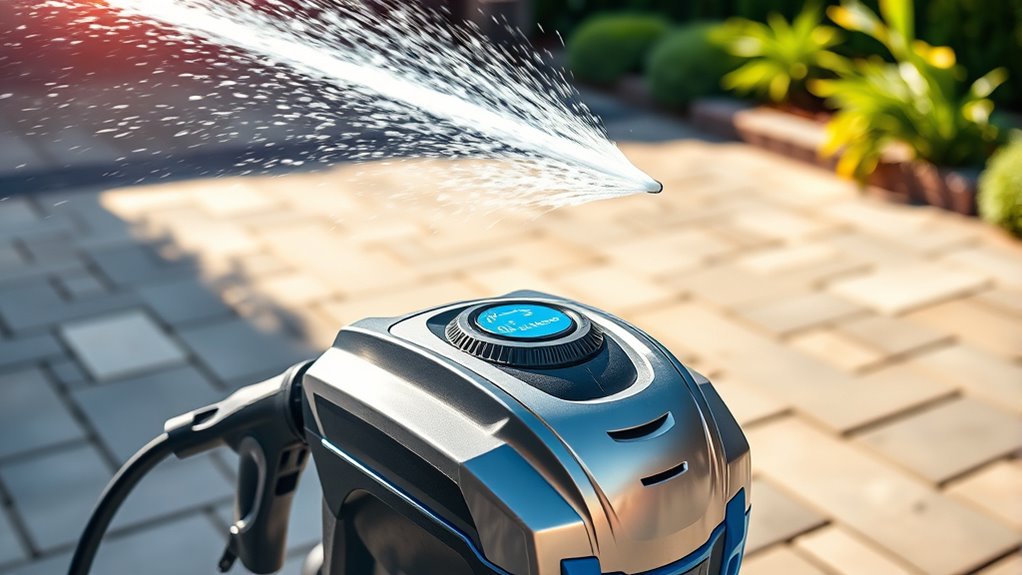

For most home cleaning, I’d start with the Westinghouse WPX3400e, whose brushless motor and 2.0 GPM flow suit a range of outdoor jobs. The DeWalt DXPW3300-S is the gas-powered choice for buyers who need more freedom from outlets, while the Greenworks 2100 PSI is a simpler fit for lighter work. The main tradeoffs are cleaning output, portability, noise, and how much maintenance you’re willing to handle. PSI alone does not tell you how quickly a washer will clean; water flow, nozzle choice, and the surface all matter. Read on for how the 15 options compare and which type of buyer each one fits.

Get kitchen gear delivered free with Prime
- Fast, free delivery on millions of items
- Prime Video, Amazon Music and more included
- Member-only deals all year
Complete the kit


Key Takeaways
- The Westinghouse WPX3400e is my best overall pick because its brushless electric design, 2.0 GPM flow, and included accessories make it a flexible home-use option without gas-engine upkeep.
- Gas power changes where you can work. The DeWalt DXPW3300-S and Westinghouse WPX3400 offer stronger independence from electrical outlets, with added noise and engine maintenance as tradeoffs.
- Several electric models share similar advertised pressure. The Westinghouse ePX3100s and ePX3100v, Greenworks 2100, and Sun Joe SPX3000 are better compared by flow, included tools, and handling than by PSI figures alone.
- The cordless Abliseoum prioritizes access over sustained cleaning. Its battery setup and 1080 PSI rating suit spot cleaning where a hose or outlet is inconvenient, not large paving jobs.
- Included accessories and setup affect real usefulness. Foam cannons, onboard soap tanks, hose length, and nozzle sets can reduce extra purchases, but buyers should confirm that each accessory suits their surfaces and workflow.


| pressure washer | Hose length | Maximum pressure |
|---|---|---|
| Baococo Electric Pressure Wash | 33 ft | 4500 PSI |
| Westinghouse WPX3000e Electric | 25 ft | 3000 PSI |
| Westinghouse ePX3500 Electric | 25 ft | 2500 PSI |
| Westinghouse WPX3400e Electric | 25 ft abrasion-resistant hose | 3400 PSI |
| DeWalt 3300 PSI Gas Pressure W | 25 ft | 3300 PSI |
| coccot Electric Pressure Washe | — | 3000 PSI |
| Sun Joe SPX3000 Electric Press | — | 2500 PSI |
| Abliseoum Cordless Pressure Wa | 16.5 feet | — |
| Westinghouse WPX3400 Gas Press | 25 feet | — |
| Greenworks 2100 PSI Electric P | 20 feet | — |
| Westinghouse ePX3100s Electric | — | 2100 PSI |
| Greenworks 3000 PSI Brushless | 25 feet | — |
| LWQ Portable Pressure Washer w | — | — |
| LWQ Pressure Washer with 4 Qui | — | — |
| Westinghouse ePX3100v Electric | 20 feet | 2100 PSI |
More Details on Our Top Picks
Baococo Electric Pressure Washer 4500 PSI 2.8 GPM with Anti-Tipping Technology
Among these electric picks, the Baococo advertises the highest output at 4500 PSI and 2.8 GPM, making it the choice for buyers who want a substantial cleaning claim without a gas engine. Its 33-foot hose gives more reach than the 25-foot hoses on the Westinghouse WPX3400e and WPX3000e, while four lockable swivel wheels are designed to keep the unit steady as it moves. The included foam cannon and four nozzles cover different jobs, from detergent application to narrower spray patterns. The tradeoff is that the product data provides no rated operating figures to compare with the Westinghouse models’ listed maximums, so the headline output alone does not establish real-world cleaning speed. Its high-pressure setting also calls for care on paint, wood, and other delicate surfaces, and an outlet still limits where it can work.
Pros:- Advertised 4500 PSI and 2.8 GPM output
- 33-foot hose offers more reach than the 25-foot hoses on the Westinghouse WPX3400e and WPX3000e
- Four lockable swivel wheels are designed to improve stability
- Includes four quick-connect nozzles and a 500 ml foam cannon
Cons:- Electric power requires access to an outlet
- No rated operating pressure or flow figures are supplied in the product data
- High pressure can damage paint or softer surfaces if used too closely
Best for: Homeowners who want long hose reach and high advertised electric pressure for varied outdoor cleaning near a power outlet
Not ideal for: Buyers who need verified operating-pressure figures, cordless portability, or a washer for delicate surfaces without careful nozzle selection
- Brand:Baococo
- Model:YYJ079HWY12P
- Maximum pressure:4500 PSI
- Flow rate:2.8 GPM
- Hose length:33 ft
- Power cord length:20 ft
- Nozzles:4 quick-connect: 0°, 15°, 25°, 40°
- Foam cannon capacity:500 ml
- Wheels:4 lockable 360° swivel wheels
Our verdict“Choose the Baococo for long hose reach and high advertised output when you can work near an outlet and are prepared to match the nozzle to the surface.”
Westinghouse WPX3000e Electric Pressure Washer, 3000 PSI, 1.76 GPM, Induction Motor, with Soap Tank and 5 Nozzles
The WPX3000e is the heavy-duty electric pick for buyers who value a sturdy wheeled frame and a broad nozzle set. Its induction motor, auto-stop axial cam pump, steel frame, and never-flat wheels make it better equipped for repeated yard jobs than the lighter 19-pound Westinghouse ePX3500. Five nozzles, including turbo and soap, let you change the spray for different surfaces, and the built-in tank keeps detergent close at hand. There is a meaningful performance caveat: the supplied rated figures are 2600 PSI and 1.1 GPM, below the 3000 PSI and 1.76 GPM maximums. That makes the maximum figures a poor basis for assuming faster cleaning than the WPX3400e. It also weighs more than compact electric options, and it still needs an outlet.
Pros:- Induction motor and auto-stop axial cam pump
- Steel frame and 10-inch never-flat wheels suit moving the unit around a yard
- Five nozzles include turbo and soap options
- Built-in 0.45-gallon soap tank supports detergent use
Cons:- Supplied rated output is 2600 PSI and 1.1 GPM, below the maximum figures
- Heavier steel-frame design is less compact than the Westinghouse ePX3500
- Electric operation requires access to a power outlet
Best for: Homeowners tackling recurring deck, driveway, and vehicle cleaning who want a steel-framed electric unit with a soap tank and varied nozzles
Not ideal for: Buyers prioritizing light weight or relying on maximum advertised figures for cleaning speed, given the lower supplied rated output
- Model:WPX3000e
- Maximum pressure:3000 PSI
- Maximum flow rate:1.76 GPM
- Motor:AC 120V induction motor
- Pump:Axial cam, auto-stop
- Soap tank:0.45 gallon
- Hose length:25 ft
- Nozzles:5: 0°, 15°, 25°, soap, turbo
Our verdict“Pick the WPX3000e for a durable, accessory-rich electric setup, while weighing its rated output more heavily than its maximum figures.”
Westinghouse ePX3500 Electric Pressure Washer
At 19 pounds and 16.5 inches tall, the ePX3500 is the easiest fit here for buyers short on storage space. Its low center of gravity, anti-tipping design, and 360-degree steering wheels are intended to make it manageable to move around a patio or park in a garage. It supplies five nozzles and an onboard soap tank, so it retains useful flexibility despite its compact size. The performance figures need context: the maximum is 2500 PSI, while the supplied rated pressure is 2000 PSI. That positions it below the WPX3400e for demanding cleaning, but its light weight gives it a clear convenience advantage over that larger steel-frame model. The 25-foot hose and electric cord still tether the work area, so compactness does not make it suitable for remote locations.
Pros:- Lightweight at 19 pounds and compact at 16.5 inches tall
- Anti-tipping design and 360° steering wheels aid handling
- Five nozzles include turbo and soap options
- Onboard soap tank and auto-stop pump add practical convenience
Cons:- Rated pressure of 2000 PSI is below the maximum 2500 PSI figure
- Less suited to demanding grime removal than the Westinghouse WPX3400e
- Electric power and a 25-foot hose limit working distance
Best for: Apartment and small-home owners who need a light washer for cars, patios, and fences and have limited storage
Not ideal for: Buyers with extensive, heavily soiled driveways or areas far from an electrical outlet
- Maximum pressure:2500 PSI
- Maximum flow rate:1.76 GPM
- Weight:19 lbs
- Height:16.5 in
- Hose length:25 ft
- Soap tank:20 oz
- Wand length:17.5 in
- Nozzles:5: 0°, 15°, 25°, turbo, soap
Our verdict“Choose the ePX3500 when easy storage and light handling matter more than the stronger output of the WPX3400e.”
Westinghouse WPX3400e Electric Pressure Washer – 3400 PSI, 2.0 GPM, Brushless Motor, Onboard Soap Tank, Spray Gun & Wand with 5 Nozzles
The WPX3400e is the electric option for buyers who want more cleaning capacity than the WPX3000e advertises, along with a brushless motor and rugged steel construction. Its listed maximums of 3400 PSI and 2.0 GPM exceed the WPX3000e’s 3000 PSI and 1.76 GPM, while the brushless motor and three-piston auto-stop pump are designed for durable, low-maintenance operation. A 35-foot GFCI cord gives more reach to an outlet than the Baococo’s 20-foot cord, though its hose is shorter at 25 feet versus Baococo’s 33. The half-gallon soap tank, five nozzles, and never-flat wheels make it a versatile yard setup. The tradeoffs are its outlet dependence and the limited tank capacity for long detergent-heavy sessions; no rated output figures are provided in the supplied data.
Pros:- Listed maximum output of 3400 PSI and 2.0 GPM
- Brushless motor paired with an auto-stop axial cam pump
- 35-foot GFCI cord provides useful reach to an outlet
- Steel frame, never-flat wheels, and five nozzles support varied outdoor jobs
Cons:- Requires an outlet and remains constrained by cord and hose reach
- Soap tank holds 0.45 gallon, limiting long detergent-heavy sessions
- Supplied product data does not state rated operating figures
Best for: Homeowners who want a rugged electric washer for decks, driveways, and outdoor furniture with a long power cord and brushless motor
Not ideal for: Buyers who need cordless use, a longer hose than 25 feet, or documented rated output figures
- Maximum pressure:3400 PSI
- Maximum flow rate:2.0 GPM
- Motor:Brushless AC 120V electric
- Pump:3-piston axial cam, auto-stop
- Soap tank:0.45 gallon
- Hose length:25 ft abrasion-resistant hose
- Power cord:35 ft GFCI
- Nozzles:5 quick-connect: 0°, 15°, 25°, soap, turbo
- Frame and wheels:Rugged steel frame; 10 in never-flat wheels
Our verdict“Choose the WPX3400e for a robust, high-output electric setup when its outlet dependence and 25-foot hose suit your work area.”
DeWalt 3300 PSI Gas Pressure Washer, 2.4 GPM, Model DXPW3300-S
The DXPW3300-S is the lineup’s gas-powered choice for jobs that extend beyond the practical reach of an outlet. Its 208cc engine and 3300 PSI, 2.4 GPM maximum output pair with a 25-foot hose, making it better suited to moving around a larger yard than the electric Westinghouse WPX3400e. The welded steel frame and pneumatic tires also suit rougher ground than compact electric units with small swivel wheels. Its five nozzles include a soap tip, though it does not list an onboard soap tank like the WPX3400e. Gas brings its own costs in effort: the engine needs fuel and routine maintenance, and the unit measures 41 inches long, so storage takes planning. This is the pick for mobility and yard coverage, not for quiet, low-maintenance operation.
Pros:- Gas engine avoids dependence on an electrical outlet
- 208cc engine and listed 3300 PSI, 2.4 GPM maximums suit substantial residential jobs
- Pneumatic tires help traverse uneven ground
- Five quick-connect nozzles include a soap nozzle
Cons:- Requires fuel and routine engine maintenance
- Larger 41 × 21 × 24-inch frame needs more storage space than compact electric models
- No onboard soap tank is listed
Best for: Homeowners cleaning large yards, outbuildings, and surfaces beyond convenient outlet reach who can handle gas-engine upkeep
Not ideal for: Buyers who want a compact, quiet, low-maintenance washer or who need an onboard detergent tank
- Engine:208cc DeWalt
- Maximum pressure:3300 PSI
- Flow rate:2.4 GPM
- Pump:OEM Technologies axial cam
- Frame:Welded steel with powder-coated finish
- Tires:10-inch pneumatic
- Dimensions:41 × 21 × 24 in
- Hose length:25 ft
- Nozzles:5 quick-connect: 0°, 15°, 25°, 40°, soap
Our verdict“Choose the DeWalt when yard reach and freedom from an outlet matter more than compact storage and simple electric upkeep.”
coccot Electric Pressure Washer – 3000 PSI with 33ft Hose, 4 Nozzles, and Foam Cannon
The coccot stands out among these electric models for pairing a 33-foot hose with self-priming water intake, so a nearby faucet is not the only way to set up. Its listed 3000 PSI and 2.5 GPM also exceed the Sun Joe SPX3000’s stated working pressure and 1.2 GPM flow, giving it a stronger cleaning profile for patios and driveways. Four metal nozzles and a foam cannon cover common jobs, while tool-free assembly keeps setup simple. The tradeoff is that its high-pressure figures do not make it as portable as the cordless Abliseoum, and it still needs an electrical outlet. Long-term reliability is harder to judge from the supplied product information, so buyers prioritizing an established track record may prefer a more familiar model.
Pros:- Self-priming intake allows water from sources such as buckets as well as a faucet
- 33-foot pressure hose and 33-foot power cord extend working reach
- Four metal nozzles and a 450 mL foam bottle suit varied cleaning tasks
- Tool-free assembly, rollers, and anti-tipping design support setup and movement
Cons:- Requires access to an electrical outlet
- Long-term reliability is difficult to judge from the supplied product information
Best for: Homeowners who want a corded washer for vehicle and patio cleaning and may need to draw water from a bucket or other source
Not ideal for: Buyers who need a cordless washer, or who want a long-established reliability record before choosing
- Maximum pressure:3000 PSI
- Maximum flow rate:2.5 GPM
- Pressure hose length:33 feet
- Power cord length:33 feet
- Water intake:Faucet or self-priming
- Nozzles included:4
- Foam bottle capacity:450 mL
- Power source:AC
Our verdict“Choose the coccot if flexible water sourcing and extended reach matter more than cordless portability or a well-established reliability record.”
Sun Joe SPX3000 Electric Pressure Washer, 2500 Max PSI
The Sun Joe SPX3000 is a practical pick when spray choice and separate detergent tanks matter more than raw cleaning output. Its five tips include four spray angles plus soap, and the two onboard 0.9 L tanks let buyers keep separate cleaning solutions ready. Against the Greenworks 2100 PSI model, it offers two detergent tanks and a stainless steel lance with brass fittings; both list 1.2 GPM flow, so neither is the clear choice for faster, heavy-duty rinsing. The SPX3000’s 2500 PSI maximum also needs context: its listed working pressure is 2030 PSI. That makes it better suited to regular home cleaning than to buyers who expect its headline maximum to represent sustained working pressure.
Pros:- Five quick-connect tips cover several spray patterns and soap application
- Two onboard 0.9 L tanks allow separate detergent solutions
- 34-inch stainless steel lance has brass fittings
- Listed working pressure and flow suit routine household cleaning
Cons:- Listed working pressure is 2030 PSI, below the 2500 PSI maximum in the title
- 1.2 GPM flow is less suited to demanding cleanup than higher-flow options such as the coccot
Best for: Homeowners who clean different outdoor surfaces and want separate detergent tanks with several spray options
Not ideal for: Buyers who want high sustained flow for frequent, demanding driveway or deck cleaning
- Maximum pressure:2500 PSI
- Working pressure:2030 PSI
- Water flow:1.2 GPM
- Spray tips:5: 0°, 15°, 25°, 40°, and soap
- Spray lance:34-inch stainless steel with brass fittings
- High-pressure hose:20 feet
- Detergent tanks:2 onboard tanks, 0.9 L each
Our verdict“Pick the SPX3000 if detergent flexibility and spray options matter more to your household than high flow or headline maximum pressure.”
Abliseoum Cordless Pressure Washer with 2x 6.5Ah Batteries, 1080 PSI, 6-in-1 Nozzle, and Foam Pot
The Abliseoum is the portability choice in this group: its four-pound cordless design and adapters for alternative water sources make it easier to bring to a car, garden, or spot without a hose hookup. The supplied figures list up to 40 minutes of runtime from two 6.5Ah batteries, though actual runtime can vary by use. Its 1080 PSI sits well below the corded Greenworks 2100 PSI and gas-powered Westinghouse WPX3400, so this is for lighter rinsing and upkeep rather than stubborn driveway grime. A 6-in-1 nozzle, foam pot, and storage case make the kit versatile and easy to carry; the cost of that freedom is less cleaning force and a shorter 16.5-foot hose. Limited review data also leaves durability less established.
Pros:- Cordless operation supports use away from electrical outlets
- Two 6.5Ah batteries are listed for up to 40 minutes of runtime
- Six-in-one nozzle includes an angled tip for undercarriage access
- Four-pound body, storage case, foam pot, and water adapters support portable use
Cons:- 1080 PSI is substantially below the corded Greenworks and gas-powered Westinghouse options
- 16.5-foot hose limits reach compared with the coccot’s 33-foot hose
- Limited review data makes long-term durability less established
Best for: Drivers, campers, and gardeners who need a lightweight washer for light cleaning away from outlets and faucets
Not ideal for: Homeowners tackling ingrained driveway dirt or large areas where higher pressure and flow matter
- Pressure:1080 PSI
- Battery capacity:2 x 6.5Ah
- Listed runtime:Up to 40 minutes
- Nozzle:6-in-1: 0°, 15°, 25°, 40°, wide, and 45°
- Hose length:16.5 feet
- Item weight:4 pounds
- Power source:Battery powered
- Motor type:Pure copper motor
Our verdict“Choose the Abliseoum for portable, light-duty rinsing when freedom from outlets matters more than cleaning force.”
Westinghouse WPX3400 Gas Pressure Washer, 3400 PSI and 2.6 GPM, Onboard Soap Tank, Spray Gun and Wand, 5 Nozzle Set, for Cars/Fences/Driveways/Homes/Patios/Furniture
For buyers facing large, stubborn outdoor jobs, the WPX3400’s 3400 PSI and 2.6 GPM give it a clear output advantage over the electric Greenworks 2100 PSI at 1.2 GPM. Its 212cc gas engine also avoids dependence on a power cord, while never-flat wheels help move the steel-framed unit around a property. Five nozzles and a 1.6 L soap tank support different surfaces and detergent work. That capability brings real costs: this washer is heavier and bulkier than the electric choices, needs fuel, and produces engine noise and emissions. The high-pressure 0° tip also calls for care on delicate finishes. Compared with the portable Abliseoum, the Westinghouse is built for cleaning force and extended outdoor work, not easy carry or quiet operation.
Pros:- 3400 PSI and 2.6 GPM provide stronger cleaning output than the listed electric options
- Gas engine allows use without an electrical outlet
- Five nozzles and a 1.6 L onboard soap tank support varied tasks
- Steel frame and 12-inch never-flat wheels suit outdoor transport
Cons:- Gas engine requires fuel and produces noise and emissions
- Heavy steel and engine construction makes storage and handling less convenient
- Limited pressure control and high output require care on delicate surfaces
Best for: Property owners who regularly clean large driveways, decks, fences, or other heavily soiled outdoor surfaces
Not ideal for: Apartment dwellers, noise-sensitive users, and anyone who needs a lightweight washer for delicate surfaces
- Pressure:3400 PSI
- Flow rate:2.6 GPM
- Engine:212cc 4-stroke OHV horizontal shaft
- Fuel tank capacity:3.3 L
- Soap tank capacity:1.6 L
- Hose length:25 feet
- Nozzles included:5: 0°, 15°, 25°, 40°, and soap
- Warranty:3-year limited manufacturer service, labor, and parts
Our verdict“Choose the WPX3400 for demanding, regular outdoor cleanup if you can accommodate a bulky, noisy gas-powered machine.”
Greenworks 2100 PSI Electric Pressure Washer, 1.2 GPM
The Greenworks 2100 PSI is a straightforward corded choice for household cleaning where easy storage and simple upkeep matter more than high flow. Its telescoping handle helps reduce the washer’s footprint between jobs, and the 35-foot GFCI-protected power cord gives useful reach from an outlet. At 1.2 GPM, it shares the Sun Joe SPX3000’s listed flow, but comes with a 25° nozzle, 40° nozzle, turbo nozzle, and soap applicator rather than the Sun Joe’s five-tip set and two detergent tanks. That makes the Sun Joe more flexible for switching detergents, while Greenworks is the simpler fit for buyers who want a compact machine with familiar attachments. Neither is the pick for rapid cleanup of heavily soiled, large areas compared with the gas-powered WPX3400.
Pros:- Telescoping handle supports transport and compact storage
- GFCI-protected 35-foot power cord provides extended electrical reach
- Includes 25°, 40°, and turbo nozzles plus a soap applicator
- Corded electric power avoids gas engine maintenance
Cons:- 1.2 GPM flow is aimed at medium-duty household cleaning
- Requires access to an electrical outlet
- 20-foot hose offers less reach than the coccot’s 33-foot hose
Best for: Homeowners with limited storage who clean vehicles, patio furniture, and moderately dirty patios near an outlet
Not ideal for: Buyers who need high water flow for large or heavily soiled areas, or who work far from electrical outlets
- Pressure:2100 PSI
- Flow rate:1.2 GPM
- Power source:Corded electric
- Power cord length:35 feet
- Hose length:20 feet
- Included nozzles:25°, 40°, and turbo
- Other included accessory:Soap applicator
- Warranty:3-year limited
Our verdict“Pick the Greenworks for routine home cleaning and easier storage if its modest flow and corded setup fit your space.”
Westinghouse ePX3100s Electric Pressure Washer, 2100 Max PSI 1.76 Max GPM with Foam Cannon and Turbo Nozzle
At 10 pounds, the Westinghouse ePX3100s is the easiest model here to carry between a garage, car, and patio. Its 2100 max PSI and 1.76 max GPM suit routine vehicle and household cleanup, while the turbo nozzle offers a more forceful option for stubborn grime. Compared with the Greenworks 3000 PSI Brushless Electric Pressure Washer, it gives up cleaning power but takes much less effort to move and store. The 35-foot power cord and 20-foot hose help cover more ground before repositioning, and the foam cannon adds a straightforward way to apply detergent. The tradeoff is that it still needs an outlet, and its lighter-duty output is a less fitting choice for frequent, demanding driveway work.
Pros:- 10-pound weight makes carrying and storage easier
- Turbo nozzle and foam cannon support different cleaning approaches
- 35-foot cord and 20-foot hose provide useful reach
- Built-in accessory storage helps keep attachments together
Cons:- Requires access to a power outlet
- Lower maximum pressure than the Greenworks 3000 PSI model
- 20-foot hose may require repositioning around larger areas
Best for: Car owners and renters who want a lightweight washer for vehicles, patio furniture, and occasional outdoor cleanup
Not ideal for: Homeowners tackling large, heavily soiled driveways who need the stronger output of the Greenworks 3000 PSI model
- Maximum pressure:2100 PSI
- Maximum flow rate:1.76 GPM
- Weight:10 pounds
- Power cord length:35 feet
- High-pressure hose length:20 feet
- Included accessories:Foam cannon, turbo nozzle, spray gun, lance, and standard spray nozzles
Our verdict“Choose the ePX3100s for easy carrying and routine household cleaning; choose a higher-output washer for large, stubborn jobs.”
Greenworks 3000 PSI Brushless Electric Pressure Washer
The 3000 PSI and 2.0 GPM output make this Greenworks the strongest electric option among these five for buyers facing grimy hard surfaces and frequent cleanup. Its 14 Amp TruBrushless motor and JetFlow technology pair that pressure with higher water flow, which can help move loosened dirt across a broader area. A metal gun and 25-foot kink-resistant hose also favor regular use over the lighter, more portable Westinghouse ePX3100s. The tradeoff is a less grab-and-go setup: this model needs an outlet, and its 104°F maximum inlet water temperature limits hot-water use. Its higher output also makes nozzle choice more consequential around delicate finishes. Pick it for capable electric cleaning; skip it if compact storage or low-effort carrying matters more.
Pros:- 3000 PSI and 2.0 GPM provide the highest stated electric output in this batch
- Brushless motor and JetFlow technology are geared toward forceful, higher-flow cleaning
- Metal gun and kink-resistant hose suit regular use
- Five nozzle options cover a range of spray patterns and soap application
Cons:- Requires an electrical outlet during operation
- Maximum inlet water temperature is 104°F
- Higher output calls for care around delicate surfaces
Best for: Homeowners who want strong electric pressure for recurring driveway, patio, and vehicle cleaning
Not ideal for: Buyers who prioritize a very light, easy-to-carry unit or need to use inlet water hotter than 104°F
- Pressure:3000 PSI
- Flow rate:2.0 GPM
- Motor:14 Amp TruBrushless
- Cleaning units:3300 C.U.
- Maximum inlet water temperature:104°F (40°C)
- Hose length:25 feet
- Included nozzles:15°, 25°, 40°, soap, and turbo
Our verdict“Choose this Greenworks for demanding electric washer jobs, provided you have an outlet and do not need hot-water operation.”
LWQ Portable Pressure Washer with 4 Quick Connect Nozzles and Foam Cannon
The LWQ’s stated faucet-or-bucket water source gives it a different kind of flexibility from the outlet-powered Westinghouse and Greenworks units: buyers can draw water from a bucket when a faucet is inconvenient. Its four metal quick-connect nozzles range from a narrow 0° spray to a wider 40° pattern, so the same washer can be adapted for concentrated grime or broader rinsing. A foam cannon adds car-wash utility, while dual rollers and an anti-tipping base support moving and parking it. The tradeoff is setup: the hoses need air exhausted before proper operation, and assembly is required before first use. Its 2.5 GPM figure is a flow specification; the supplied details do not state a pressure rating, making direct cleaning-power comparisons harder.
Pros:- Can use a faucet or bucket as its water source
- Four metal nozzles offer varied spray angles
- Foam cannon supports detergent application
- Dual rollers and anti-tipping base help with movement and stability
Cons:- Hoses require manual air exhausting before proper operation
- Assembly is required before first use
- No pressure rating is provided in the supplied product data
Best for: Drivers and outdoor cleaners who need a portable washer that can draw water from a bucket when no faucet is nearby
Not ideal for: Buyers who need a clearly stated PSI rating or want a washer ready to operate with minimal setup
- Maximum water flow:2.5 GPM
- Water source:Faucet or bucket
- Spray nozzles:Four quick-connect metal nozzles: 0°, 15°, 25°, and 40°
- Included accessories:Foam cannon and detergent bottle
- Mobility:Two rollers
- Stability:Anti-tipping base
- Color:Light green
Our verdict“Choose this LWQ when bucket-fed portability matters more than a published PSI figure or quick setup.”
LWQ Pressure Washer with 4 Quick-Connect Nozzles and Foam Cannon
This LWQ shares the 2.5 GPM flow claim, four spray angles, and bucket-or-faucet water sourcing of the portable LWQ model, making it suited to varied home cleanup without committing to a single spray pattern. Its dual rollers, anti-tip base, and built-in holders focus on moving and storing the washer and its accessories. Compared with the Westinghouse ePX3100v, the LWQ includes a wider set of nozzle angles in the supplied details and can draw from a bucket; Westinghouse, by contrast, lists its PSI, flow rate, hose length, and automatic pump shutoff. The main drawback here is the missing pressure rating, so buyers cannot judge its cleaning force from PSI or compare it reliably with rated alternatives. Hose air exhausting is also part of setup.
Pros:- Four quick-connect metal nozzles cover 0°, 15°, 25°, and 40° spray angles
- Foam cannon supports detergent use
- Dual rollers make it easier to reposition
- Anti-tip base and built-in holders support stability and storage
Cons:- No pressure rating is provided
- Hoses require air exhausting before use
- The supplied details do not specify hose length
Best for: Households wanting a wheeled washer with several spray patterns for cars, patios, and general outdoor surfaces
Not ideal for: Buyers comparing washers by rated pressure or looking for documented automatic pump shutoff and hose specifications
- Maximum water flow:2.5 GPM
- Spray nozzles:Four quick-connect metal nozzles: 0°, 15°, 25°, and 40°
- Included accessories:Foam cannon
- Mobility:Dual rollers
- Stability:Anti-tip base
- Water source:Faucet or bucket
Our verdict“Choose this LWQ for nozzle variety and wheeled storage, but favor a rated alternative if PSI is central to your decision.”
Westinghouse ePX3100v Electric Pressure Washer, 2100 PSI
The built-in carry handle and compact form make the ePX3100v an appealing household pick for owners who need to move a washer in and out of storage. Its 2100 PSI and 1.76 GPM figures match the ePX3100s, but this version weighs 17.6 pounds and lists a 20-foot hose, while the ePX3100s is notably lighter at 10 pounds and lists the same hose length. The ePX3100v counters with a three-year limited service, labor, and parts warranty and automatic pump shutoff when the trigger is released. A foam cannon and three quick-connect tips cover common wash tasks. The published pressure and flow are specified at the lowest pressure, so buyers should read those numbers cautiously when comparing it with the Greenworks 3000 PSI model.
Pros:- Built-in carry handle supports moving and storing the unit
- Automatic pump shutoff stops the pump when the trigger is released
- Foam cannon and three quick-connect tips support common cleaning tasks
- Three-year limited service, labor, and parts warranty is specified
Cons:- At 17.6 pounds, it is heavier than the 10-pound ePX3100s
- 20-foot hose may limit reach around larger areas
- Pressure and flow figures are specified at the lowest pressure
Best for: Homeowners who want a compact washer with a carry handle, basic attachments, and listed warranty coverage for routine cleaning
Not ideal for: Buyers who want the lightest option, a longer hose, or high-output cleaning for heavily soiled surfaces
- Maximum pressure:2100 PSI
- Maximum flow rate:1.76 GPM
- Weight:17.6 pounds
- Hose length:20 feet
- Spray tips:Three quick-connect tips
- Included accessories:Detachable foam cannon and pro-style steel wand
- Warranty:Three-year limited service, labor, and parts coverage
Our verdict“Choose the ePX3100v for a handle-equipped household washer with stated warranty coverage, while the ePX3100s is easier to carry.”

How We Picked
I compared the listed pressure washers by the jobs buyers are likely to tackle: cars and patio furniture, fences and siding, and larger areas such as driveways. I considered the balance of pressure and water flow, power source, included nozzles and soap equipment, portability, and the upkeep each design calls for. Advertised PSI varies by model and should not be read as a direct measure of cleaning speed; flow and suitable technique matter too.
The order favors versatile options that appear suited to regular home use, then models with narrower strengths such as gas-powered mobility, lighter-duty electric cleaning, or cordless access. A higher-output claim does not automatically place a washer higher: I also weighed practical tradeoffs such as power access, engine maintenance, and whether the included equipment supports common tasks. Where product details are limited or a model has a specialized role, I treat it as a more focused choice rather than a general-purpose leader.
Factors to Consider When Choosing Pressure Washers
Before choosing, match the washer to the surfaces and the places you can use it. Specifications and included tools only help when they fit your water supply, power access, storage space, and cleaning routine.
Match cleaning output to the surface
Pressure washers can damage paint, soft wood, mortar, and some paving if the spray is too forceful or held too close. For cars and delicate outdoor furniture, a wider spray pattern and a cautious distance usually matter more than chasing the highest PSI figure. Tough concrete can tolerate more aggressive cleaning, but slow, even passes help prevent streaks. Look at flow as well as pressure, since more water moving through the nozzle can help clear loosened dirt. Start with a wider nozzle on an inconspicuous area, then adjust only if the surface handles it. A turbo nozzle can speed up stubborn work, but it concentrates force and calls for extra care. Choose based on your most frequent job, not the hardest job you might do once a year.
Choose a power source for your work area
An electric washer is a practical fit near an outdoor outlet and avoids gas-engine servicing, but the cord and outlet location shape where you can work. A gas model gives more freedom from electrical access and can suit larger properties, while adding fuel, engine noise, storage, and routine maintenance. Cordless models solve a different problem: they can reach isolated spots without a power cord, but their output and battery runtime make them a poor match for cleaning a broad driveway. Think about the full route from outlet or water source to the work area. Extension cords, hose runs, and battery changes can affect convenience as much as the washer itself. If you need to clean far from a building, check how the machine is designed to draw water before assuming it can use any container. The right power source is the one that fits the actual space and duration of your jobs.
Read PSI and GPM together
PSI describes water pressure, while GPM describes the amount of water moving through the machine. Those figures work together, so a high PSI claim by itself does not tell you how quickly a washer will clear a dirty surface. Pay attention to whether the listing says maximum or working output, since maximum figures can describe brief peak performance. Compare specifications within similar power types and confirm them in the manufacturer’s documentation when possible. A modest electric washer can be easier to handle for routine cleaning even if a larger machine advertises a more dramatic number. If two choices look close on pressure, flow, nozzle options, and the intended task can separate them more usefully. Avoid treating a single spec as a guarantee of cleaning results.
Check the kit and hose setup
The accessories determine how quickly you can switch between jobs. A set of quick-connect nozzles gives more spray choices, while a soap tank or foam cannon supports detergent application for vehicles and siding. These parts do not replace choosing a safe nozzle and detergent for the surface. Hose length matters when cleaning around a vehicle or reaching along a fence: a short hose can mean moving the washer repeatedly. Check whether the included hose, gun, and wand are compatible with replacement parts you can obtain. Onboard storage can reduce setup clutter, but it cannot compensate for a hose that does not reach your work area. List the tasks you do most often and verify that the package includes the tools those tasks require.
Plan for storage and maintenance
A washer that is difficult to store may be inconvenient enough to stay unused. Compare the footprint, handle design, wheels, hose storage, and how easily you can move the unit over your own paths or steps. Electric models generally avoid engine servicing, but they still need proper storage and care for hoses, seals, and connections. Gas models add engine and fuel care, which can be worthwhile for buyers who need their extra mobility and output. Battery washers call for charging and battery storage habits, and long sessions may require managing spare batteries. In cold climates, follow the manufacturer’s steps for protecting the pump from freezing. Consider the whole ownership routine, not just how the washer looks in a product photo.
Decide when extra capability is worth it
Paying for a more capable washer makes sense when you regularly clean large or heavily soiled areas, need to work away from outlets, or want features that remove friction from frequent jobs. For occasional rinsing of outdoor furniture or a car, a compact electric model may be easier to store and set up. Avoid buying based on a rare task if renting or borrowing a more powerful machine would suit it better. Extra nozzles and soap equipment have value only if they match your cleaning habits. Think about how often you will use the machine, how long each job takes, and what maintenance you will keep up with. A good match is the washer that handles recurring work without adding more complexity than you want.
Frequently Asked Questions
Is a 2100 PSI electric pressure washer enough for cleaning a driveway?
It can handle some driveway rinsing and routine dirt, but results depend on the washer’s flow, the nozzle, the concrete condition, and how ingrained the stains are. Large or heavily soiled areas may take longer than they would with a higher-flow machine. A surface cleaner attachment can make broad flat areas more even, if the washer supports one. Avoid using a narrow nozzle close to the concrete, since that can leave marks. For occasional light maintenance, a 2100 PSI electric model may be a reasonable fit; for frequent deep cleaning, compare flow and compatible accessories before choosing.
Should I choose a gas pressure washer over an electric one?
Choose gas when you regularly need to work where electrical outlets are unavailable or want a machine suited to larger outdoor jobs. The DeWalt DXPW3300-S and Westinghouse WPX3400 offer that freedom, but their engines bring more noise and maintenance than an electric unit. An electric washer is usually easier to set up for routine home cleaning near an outlet. Check the distance from your outlet and water source to the work area before deciding. If a long hose and safe outdoor power access solve the problem, gas may add more upkeep than you need.
Does a higher PSI rating always mean faster cleaning?
No. PSI is only one part of cleaning performance, and water flow helps determine how quickly loosened dirt can be rinsed away. Maximum ratings may also describe peak output rather than a sustained working level. Nozzle choice, distance, detergent, and the surface’s condition affect results as well. Compare pressure and GPM together, and use the manufacturer’s recommended accessories. For broad surfaces, a compatible surface cleaner can matter more to your pace than a small difference in advertised PSI.
Can I use a pressure washer to wash a car safely?
Yes, if you use a suitable wide spray pattern, keep a safe distance, and avoid directing concentrated pressure at trim, seals, tires, or damaged paint. A foam cannon can help apply car-safe soap, though it does not replace a careful rinse and wash method. The listed electric models with foam equipment may be more convenient for car care than a gas unit with more output than the job calls for. Check the manual for the recommended nozzle and minimum spray distance. Test cautiously on a less visible area if you are unsure how the finish will respond.
Is a cordless pressure washer practical as my only washer?
It depends on how much cleaning you do and whether access to outlets or hoses is your main problem. The Abliseoum’s battery setup and lower stated pressure favor spot cleaning and portable rinsing over large, sustained jobs. Battery runtime and charging interruptions can become frustrating when cleaning multiple vehicles or a long stretch of paving. For regular household cleaning, a corded electric model is typically a more practical starting point if you have suitable power access. Pick cordless as your sole machine only if portability matters more to you than extended cleaning capacity.
Conclusion
For a versatile home-use recommendation, I’d choose the Westinghouse WPX3400e as best overall, with the Westinghouse WPX3000e a sensible value-focused electric alternative for buyers who want an induction motor and useful included accessories. My best premium fit is the DeWalt DXPW3300-S for people who need gas-powered mobility and are prepared to maintain an engine. Beginners who mainly clean cars, furniture, and smaller outdoor areas can start with the Greenworks 2100 PSI or Sun Joe SPX3000, choosing between their included setup and the spaces they need to reach. For cordless spot cleaning away from outlets, the Abliseoum has a more specific role. Pick by your regular surfaces, access to power, and willingness to maintain the machine; those factors will matter more than the biggest PSI claim.