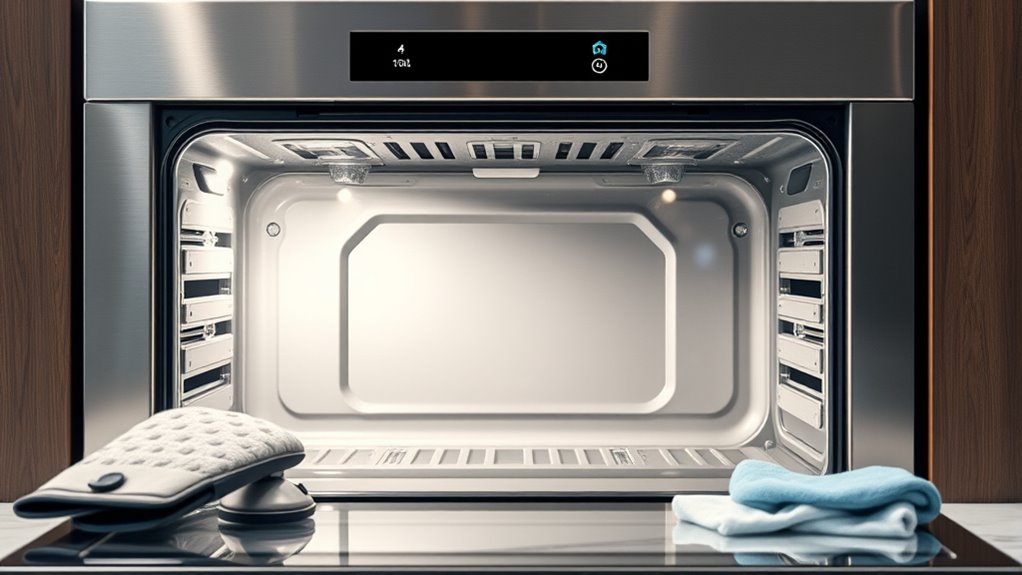

To use your self-cleaning oven safely and effectively, you should remove aluminum foil and oversized debris, and avoid using harsh chemicals beforehand. Always run the cycle with proper ventilation and make certain airflow is managed well to prevent smoke or odors. Never open the door during cleaning, and stay clear of placing racks or cookware inside. Following these do’s and don’ts helps protect your oven and home—continue exploring for more essential tips.
Key Takeaways
- Do remove loose debris and oversized food before starting the self-clean cycle.
- Don’t use harsh chemicals or manual cleaning inside the oven prior to or after cleaning.
- Do ensure proper kitchen ventilation and airflow management during the cycle.
- Don’t leave aluminum foil, cookware, or racks inside the oven during cleaning.
- Do never open the oven door during the self-cleaning process to avoid hazards.
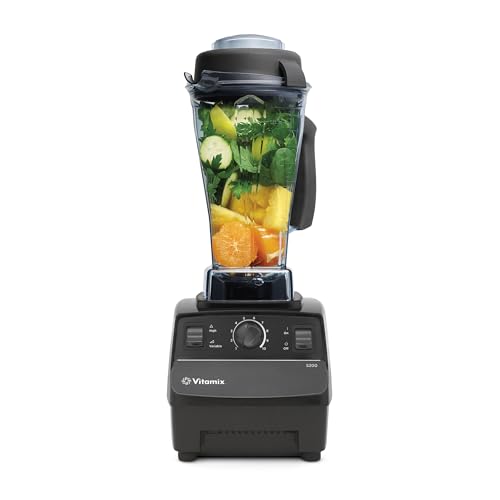
Vitamix 5200 Blender, Professional-Grade Blender for Smoothies, Soups, Ice Cream and More, Stainless-Steel Blades, Self-Cleaning Kitchen Appliance, 64 Oz Container, Black
Included: Vitamix 5200 blender motor base, 64-ounce classic container, and tamper; this kitchen blender container allows for small-...
As an affiliate, we earn on qualifying purchases.
Essential Do’s for Safe and Effective Self-Cleaning

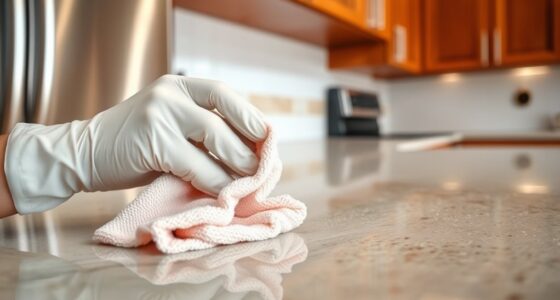
To guarantee your oven’s self-cleaning cycle is both safe and effective, it’s essential to follow some key do’s. First, clean the oven glass regularly to prevent buildup that can interfere with the cleaning process. Use a soft cloth and a gentle cleaner to avoid scratching the glass. Before starting the cycle, remove any loose debris or oversized food particles, as these can cause smoke or odors. Avoid using harsh chemicals or commercial oven cleaners inside the oven before self-cleaning, as they may produce harmful fumes. Instead, rely on the oven’s self-cleaning feature to burn off residue. Properly cleaning the glass and avoiding chemical contaminants ensures the cycle works efficiently and safely, leaving your oven spotless without damage. Additionally, understanding Free Floating systems can help you better grasp how your oven’s ventilation and airflow might impact the cleaning process, especially in ventilation design. Recognizing the importance of adequate airflow management can prevent issues like smoke or lingering odors during the cycle. Proper airflow can also help in reducing the formation of harmful fumes, ensuring a safer cleaning process. Moreover, being aware of common credit card security measures can help protect your financial information if you need to make online purchases for cleaning supplies or appliance parts.

Cosori 9-in-1 TurboBlaze Air Fryer 6 Qt, Smart Control, 90°–450°F, Shake Reminders, Precise Heating for Even Results, Air Fry, Roast, Bake, Broil, Dry, Frozen, Proof, Reheat, Keep Warm, 120V, Cream
𝘼𝙞𝙧 𝙁𝙧𝙮𝙚𝙧 𝙐𝙥𝙜𝙧𝙖𝙙𝙚: Innovative TurboBlaze Technology delivers a powerful 3600 rpm fan speed and temperatures up to 450℉,...
As an affiliate, we earn on qualifying purchases.
Important Don’ts to Avoid Damage and Hazards
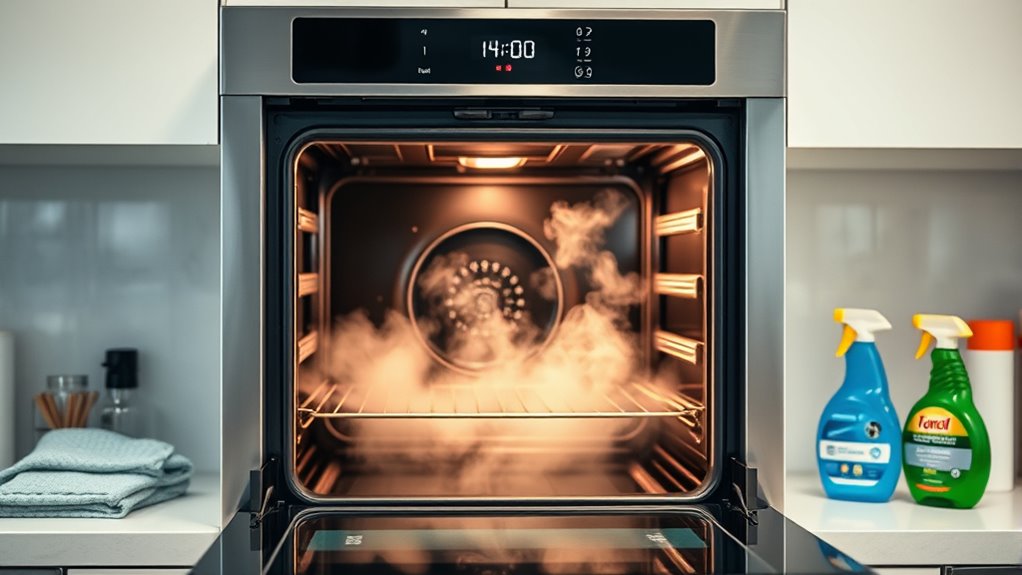
Ignoring some key don’ts can lead to damage or safety hazards during your oven’s self-cleaning cycle. First, don’t leave items like aluminum foil, cookware, or oven racks inside, as they can melt or cause damage, creating cleaning hazards. Never attempt to open the oven door during the cycle, as it can disrupt oven safety and release dangerous fumes or heat. Avoid cleaning the oven manually with harsh chemicals before or after self-cleaning; this can interfere with the process and damage internal components. Also, don’t neglect proper ventilation—ensure your kitchen is well-ventilated to avoid buildup of fumes. Additionally, understanding oven safety features can help you operate your appliance more securely. Being aware of oven safety mechanisms can prevent accidents. Following these don’ts helps prevent damage to your oven and ensures a safe, effective cleaning process.

ORIKOOL 27"W Commercial Reach-In Upright Freezer - Low Noise & Energy Saving, Stainless Steel Freezer, 3 Adjustable Shelves, LED Lighting, 23 Cu.ft, Automatic defrost, Digital Temperature Control
Superior Energy Efficiency & Airtight Seal - The freezer features a digital thermostat from the renowned Italian brand...
As an affiliate, we earn on qualifying purchases.
Frequently Asked Questions
Can I Use Oven Cleaners Before Activating the Self-Cleaning Cycle?
No, you shouldn’t use oven cleaners before activating the self-cleaning cycle. They can leave residues that interfere with the cleaning process and may produce harmful fumes. Instead, do proper oven preparation by wiping away loose debris and grease with a damp cloth. Avoid cleaning chemicals that aren’t designed for self-cleaning ovens to guarantee safety and effective cleaning. Follow your oven’s instructions for best results.
How Long Does the Self-Cleaning Process Typically Take?
The self-cleaning process typically takes about 2 to 4 hours, depending on your oven’s size and how dirty it is. You can expect the oven cycle duration to be longer if you’ve packed it with heavy food residue. The cleaning time estimate includes preheating, the cleaning cycle itself, and cool-down. To avoid surprises, check your oven’s manual for specific timing details.
Is It Safe to Leave the Oven Door Open During Cleaning?
No, you shouldn’t leave the oven door open during cleaning because it jeopardizes oven safety. Keeping the door closed helps contain heat and fumes, preventing potential burns or accidents. Always follow cleaning precautions by ensuring the oven is properly locked or latched before starting the cycle. This way, you protect yourself and ensure the cleaning process is effective and safe. Never leave the door open during a self-cleaning cycle.
Will the Self-Cleaning Cycle Remove All Types of Stains and Residues?
You might think the self-cleaning cycle wipes out every stubborn stain and residue, but don’t be fooled. While it’s excellent for grease and food splatters, it may not fully remove deep-set stains or burned-on residues. Some residues can cling stubbornly, requiring manual scrubbing afterward. Stay vigilant—trust the cycle for general stain removal, but be prepared for additional cleaning to achieve that pristine oven you desire.
Are There Differences in Cleaning Effectiveness Between Oven Models?
You might notice differences in cleaning efficiency depending on your oven’s design. Some models have better seals, insulation, or more advanced cleaning cycles, making them more effective at removing stains and residues. To get the best results, choose an oven with a design optimized for cleaning, and follow the manufacturer’s instructions carefully. This way, you’ll guarantee thorough cleaning and maintain your oven’s performance over time.
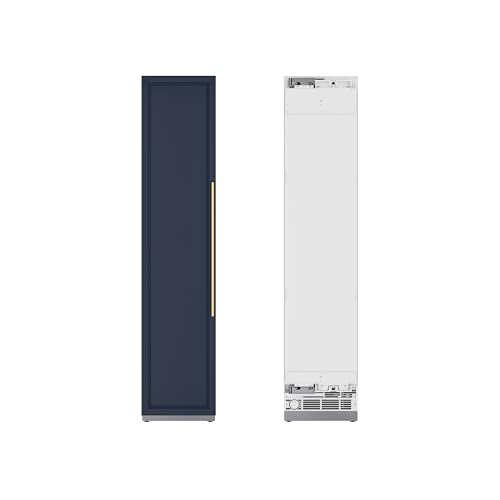
KoolMore Reserve 18 in. Panel Ready Freezer Column with 8.6 Cu. Ft. Capacity, Ice Maker, Frost Free, ETL Listed, Energy Star
KoolMore Reserve Collection: Proudly part of the high-end KoolMore Reserve collection, this KoolMore Panel Ready Residential Column Freezer...
As an affiliate, we earn on qualifying purchases.
Conclusion
Remember, using your self-cleaning oven is like guiding a delicate dance—you want to move smoothly without stepping on toes. Follow the do’s for safety and effectiveness, and steer clear of the don’ts to prevent damage or hazards. With a little care, your oven will shine like new, ready for your next culinary masterpiece. Stay cautious and confident, and you’ll keep your oven in top shape for years to come.