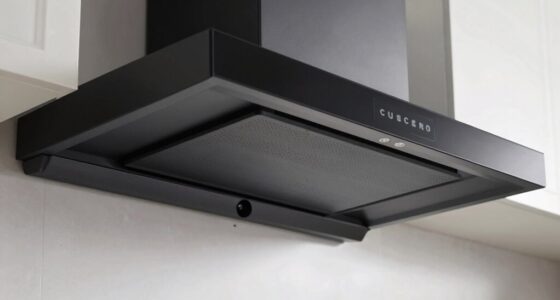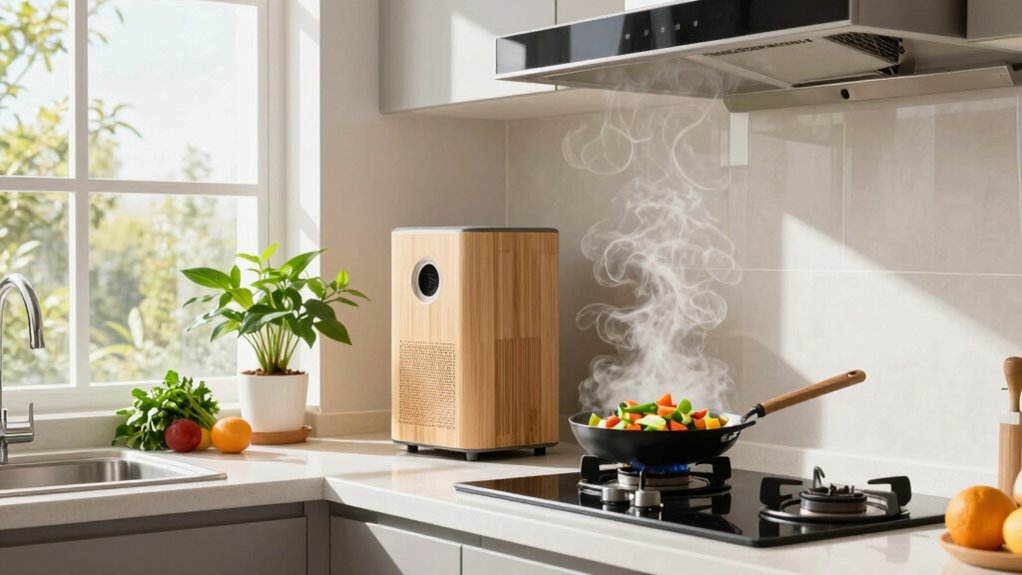

To keep your indoor air fresh while cooking daily, use exhaust fans or range hoods consistently to vent smoke and fumes early. Open windows or use oscillating fans to circulate air, and consider adding air purifiers with HEPA and carbon filters for extra odor and pollutant removal. Control humidity with dehumidifiers to prevent mold growth and keep your space comfortable. If you want to discover more simple tips for improving indoor air quality, you’re in the right place.

Get kitchen gear delivered free — and shop member deals
- Fast, free delivery on millions of items
- Access to Prime Big Deal Days deals on October 6–7
- Prime Video, Amazon Music and more included
Key Takeaways
- Use a high-quality air purifier with HEPA and carbon filters during cooking to reduce airborne pollutants and odors.
- Turn on exhaust fans and range hoods early to vent smoke, steam, and fumes effectively.
- Open windows or use oscillating fans to improve indoor airflow and exchange indoor air with fresh outdoor air.
- Control indoor humidity with dehumidifiers or exhaust fans to prevent mold and mildew growth.
- Keep the kitchen clean and well-maintained to minimize pollutant sources and ensure ventilation systems work efficiently.
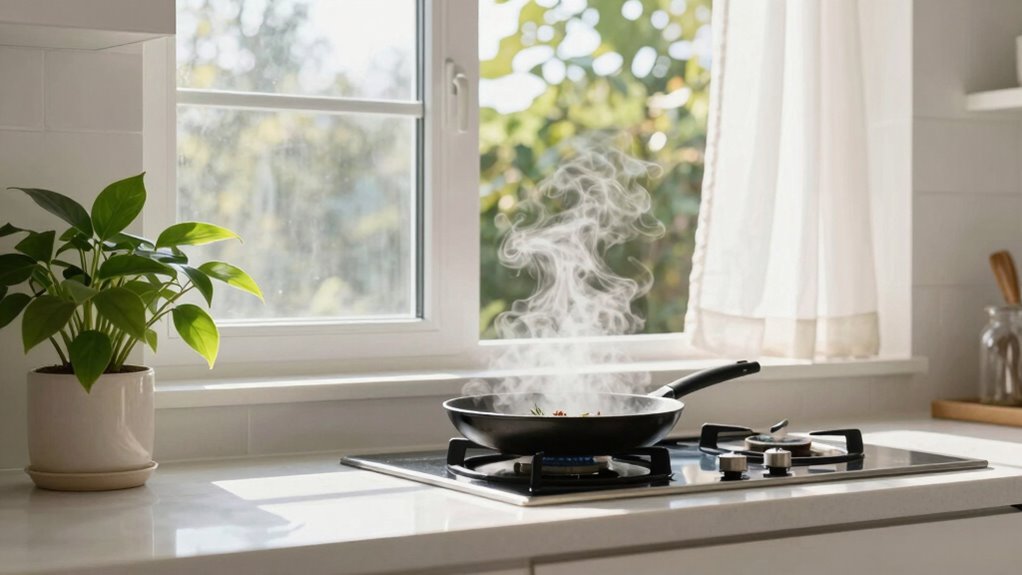
Have you ever wondered how the air inside your home affects your health and comfort? When you cook daily, you generate smoke, steam, and odors that can quickly accumulate, impacting indoor air quality. To keep the air fresh and safe, you need to understand the benefits of air purifiers and effective ventilation techniques. An air purifier benefits your home by trapping airborne pollutants, including cooking fumes, grease particles, and volatile organic compounds. Choosing a purifier with a HEPA filter can considerably reduce airborne contaminants, making the air safer and more breathable. Regularly running an air purifier while cooking ensures that harmful particles don’t linger, especially if your kitchen lacks proper ventilation.
Ventilation techniques are equally important. Simple actions like opening windows or using exhaust fans help exchange indoor air with fresh outdoor air, diluting cooking odors and moisture. If your kitchen has a range hood, use it consistently to capture smoke and steam before they diffuse throughout your home. For homes without powerful exhaust systems, consider installing or upgrading your range hood to ensure it effectively pulls out fumes. When cooking, turn on the exhaust fan early to prevent buildup and keep the air cleaner during and after meals. Additionally, placing a small oscillating fan near the cooking area can help circulate air, preventing concentrated pockets of smoke from settling.
Maintaining good airflow is essential, but so is controlling humidity. Cooking often increases moisture levels, which can lead to mold and mildew if not managed properly. Using a dehumidifier or simply turning on an exhaust fan can help regulate humidity, maintaining a balanced indoor environment. During colder months, cracks and gaps around windows and doors can let in outdoor pollutants, so sealing these leaks enhances your ventilation efforts. Also, consider incorporating indoor plants known for improving air quality, as they can absorb some airborne pollutants and add a touch of freshness to your kitchen. Proper indoor air quality management, including the use of air purifiers with carbon filters and humidity control devices, can significantly improve your cooking environment.
As an affiliate, we earn on qualifying purchases.
Frequently Asked Questions
Can Indoor Plants Improve Kitchen Air Quality Effectively?
Indoor plants can notably improve your kitchen’s air quality by filtering out pollutants and releasing fresh oxygen. When you include plants like spider plants or pothos, you actively reduce airborne toxins from cooking fumes and cleaning products. You’ll notice a fresher, healthier environment, especially if you keep plants near cooking areas. Regular watering and proper placement enhance their air-purifying benefits, making your kitchen a more inviting and cleaner space.
How Often Should I Clean My Kitchen Exhaust Fan?
For fresh, fragrant air, you should clean your kitchen exhaust fan at least once a month. Regular exhaust fan maintenance prevents greasy buildup and keeps the air clear. Incorporate this task into your kitchen cleaning schedule to guarantee consistency. By diligently dampening dirt and debris, you maintain a healthier, happier home environment. Remember, frequent cleaning keeps your exhaust fan functioning flawlessly, fighting odors and fumes effectively.
Do Air Purifiers Eliminate Cooking Odors Completely?
Air purifiers can reduce cooking odors, but they don’t eliminate them completely due to their limitations. They work best when paired with odor absorption techniques like simmering vinegar or baking soda nearby. Keep in mind, air purifiers mainly filter airborne particles and gases, so combining them with proper ventilation and odor absorption methods guarantees fresher indoor air while cooking daily.
Are Natural Remedies Better Than Chemical Air Fresheners?
Natural remedies often beat chemical air fresheners because they’re safer and eco-friendly. You’re better off using options like lemon, baking soda, or essential oils to freshen the air, instead of relying on chemicals that might introduce toxins. Think of natural remedies as planting a garden — they improve your space without harmful side effects, whereas chemical air fresheners can be a quick fix that leaves a lingering smell of trouble.
What Is the Best Ventilation Method for Small Kitchens?
The best ventilation method for small kitchens is a combination of a well-designed ventilation system and a kitchen exhaust fan. You should install a powerful exhaust fan directly above your stove to immediately remove smoke, odors, and humidity. Complement this with an inline or wall-mounted ventilation system that circulates fresh air and expels stale air efficiently. This setup keeps your small kitchen air fresh and prevents lingering smells.
As an affiliate, we earn on qualifying purchases.
Conclusion
Keeping your indoor air fresh while cooking might seem challenging, but it’s simple when you act. Clean as you go, ventilate generously, and use natural remedies to neutralize odors. These small steps transform your kitchen from a space of lingering smells into a fresh haven. You control the air you breathe, turning everyday cooking from a source of pollution into a moment of freshness. Breathe easy, and enjoy your meals in an environment that feels as good as it tastes.
oscillating fan for cooking area
As an affiliate, we earn on qualifying purchases.
As an affiliate, we earn on qualifying purchases.
As an affiliate, we earn on qualifying purchases.
Halloween Picks
halloween
As an affiliate, we earn on qualifying purchases.