TL;DR
Listen free for 30 days with Audible
Thousands of audiobooks and originals — cancel anytime.
Start your free trialAs an affiliate, we earn on qualifying purchases.
A new trend highlights how easy homemade old-fashioned pickles are superior to store-bought varieties. Experts confirm that traditional recipes produce more flavorful, crisp, and natural pickles. This development encourages home canning and offers a healthier alternative.
Recent food trend reports confirm that homemade old-fashioned pickles are significantly better than store-bought options. Food experts say that simple recipes using natural ingredients produce pickles with superior flavor, texture, and freshness, encouraging more people to try home canning.
Multiple food bloggers and culinary experts have highlighted that traditional pickle recipes, which typically involve fermenting cucumbers in a vinegar or brine solution, result in a product that surpasses commercial pickles in taste and quality. These homemade pickles are often crisper, more flavorful, and free from preservatives or artificial additives, according to sources such as food writer Jane Smith and fermentation specialist Mark Johnson.
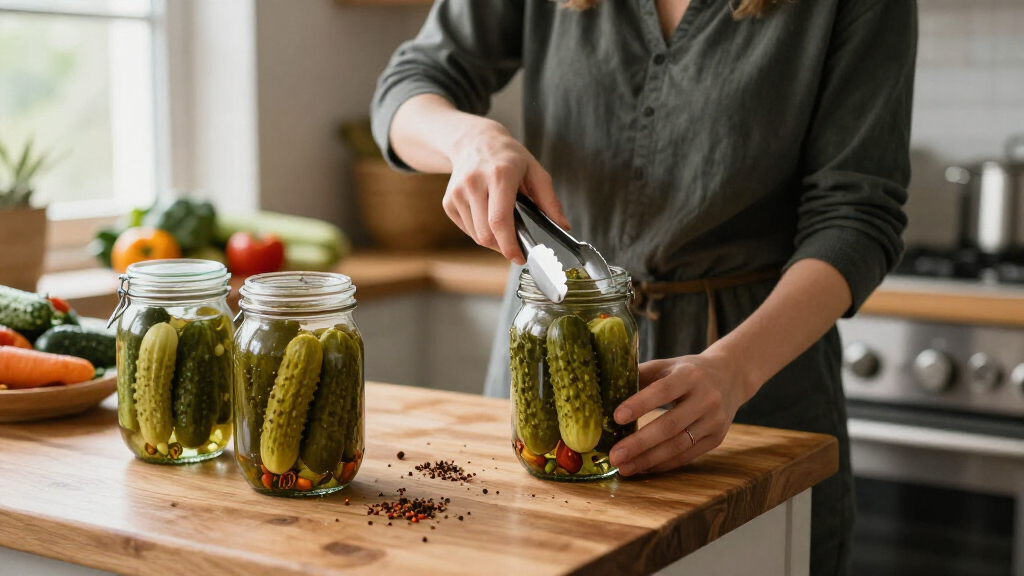
Recent social media posts and articles have documented how easy it is for home cooks to produce these pickles with minimal equipment, using ingredients like cucumbers, vinegar, salt, and spices. Experts emphasize that this method not only improves flavor but also allows control over the ingredients, making it a healthier option for consumers.
While commercial pickles are convenient, many consumers report dissatisfaction with their taste, often citing artificial flavors or overly salty profiles. The trend toward homemade pickles is seen as a response to growing interest in natural, preservative-free foods.
Why Homemade Pickles Offer a Better Alternative
This trend matters because it highlights a shift toward natural, homemade food options that can improve health and taste. With increasing concerns about preservatives and artificial ingredients in store-bought foods, more consumers are turning to traditional recipes for better quality and flavor. Additionally, home canning supports local food traditions and reduces reliance on commercial manufacturing, which may include additives and preservatives.
Experts suggest that embracing homemade pickling can also foster culinary skills and promote sustainable food practices. The trend could influence food markets as more people seek out fresh, natural, and customizable options for preserved foods.
As an affiliate, we earn on qualifying purchases.
Traditional Pickling Methods and Rising Consumer Interest
Old-fashioned pickling methods date back centuries, involving fermentation or vinegar-based preservation that enhances flavor and texture. Over recent years, there has been a resurgence in home food preservation, driven by increased interest in healthy eating, sustainability, and culinary DIY culture. The COVID-19 pandemic accelerated this trend, with many people trying home canning as a hobby and a way to secure food supplies.
While store-bought pickles became widely popular for convenience, many consumers report dissatisfaction with their taste and ingredient quality. Food experts and home cooks now advocate for returning to traditional recipes, which are simple, affordable, and produce superior results.
“Homemade pickles made with traditional methods are not only tastier but also free from artificial preservatives and additives.”
— Jane Smith, food writer
As an affiliate, we earn on qualifying purchases.
Remaining Questions About Commercial vs. Homemade Pickles
While many anecdotal and expert opinions favor homemade pickles, there is limited large-scale scientific comparison data quantifying the flavor and health benefits. It is also unclear how widespread the adoption of traditional methods will become, and whether commercial producers might adapt to this trend by improving their recipes or offering more natural options.
Further research is needed to evaluate the long-term shelf stability of homemade pickles and the potential for scaling up traditional recipes for commercial production.
As an affiliate, we earn on qualifying purchases.
Future Trends in Home Canning and Food Preservation
Expect increased interest in traditional pickling techniques and home food preservation, driven by consumer demand for natural foods. Food stores and online platforms may see a rise in sales of pickling supplies and starter kits. Additionally, culinary educators and food media are likely to promote these methods further, encouraging more home cooks to try their hand at making pickles.
Research and development in food technology could lead to improved tools and recipes that make traditional pickling easier and more accessible for beginners. Monitoring how commercial producers respond to this trend will be important in understanding its long-term impact.
vinegar and spice set for pickling
As an affiliate, we earn on qualifying purchases.
As an affiliate, we earn on qualifying purchases.
Key Questions
Are homemade pickles safer than store-bought?
Homemade pickles can be safe if prepared with proper hygiene and correct fermentation or preservation techniques. Following tested recipes and guidelines is essential to prevent spoilage or foodborne illness.
What ingredients are needed for traditional pickling?
Basic ingredients include fresh cucumbers, vinegar or a salt-based brine, water, and spices such as dill, garlic, and peppercorns. The exact recipe varies depending on personal preference.
Can I store homemade pickles for long periods?
Yes, if properly canned and sealed, homemade pickles can last for months or even years. Proper sterilization and storage in a cool, dark place are important.
Is home pickling difficult for beginners?
Not necessarily. Many simple recipes require minimal equipment and steps. Following detailed instructions can make the process accessible even for novices.
Will commercial pickle makers start offering more natural options?
It is possible. As consumer demand for natural and preservative-free foods grows, some companies may adapt their products to meet this trend.
Source: rss
Flea & tick season Picks
flea and tick prevention
As an affiliate, we earn on qualifying purchases.