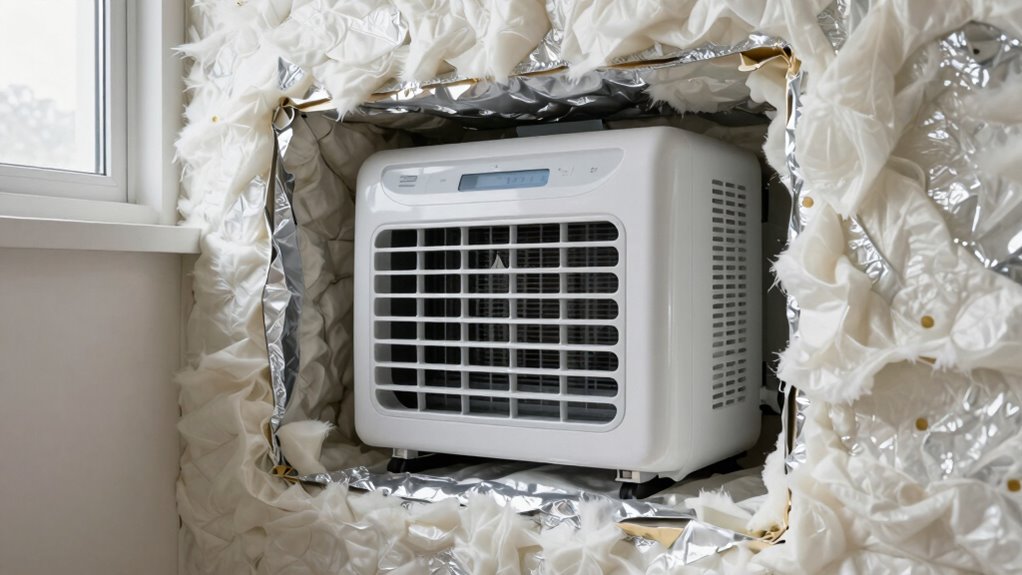

Better insulation keeps your cool air inside and blocks heat from coming in, making your home easier to cool. It reduces thermal transfer, so your air conditioner doesn’t have to work as hard to maintain the desired temperature. With proper insulation, there’s less heat gain during hot days, which lowers energy use and utility bills. If you want to discover more ways insulation benefits your cooling efforts, keep exploring these essential tips.

Get kitchen gear delivered free — and shop member deals
- Fast, free delivery on millions of items
- Access to Prime Big Deal Days deals on October 6–7
- Prime Video, Amazon Music and more included
Key Takeaways
- Better insulation reduces heat transfer, keeping indoor temperatures stable and lessening the workload of cooling appliances.
- It minimizes hot spots and drafts, decreasing the need for frequent cooling cycles.
- Proper insulation slows thermal gain during hot days, allowing cooling systems to operate less often.
- Enhanced insulation lowers indoor temperature fluctuations, reducing strain on air conditioning units.
- It decreases overall energy consumption, making cooling appliances more efficient and extending their lifespan.
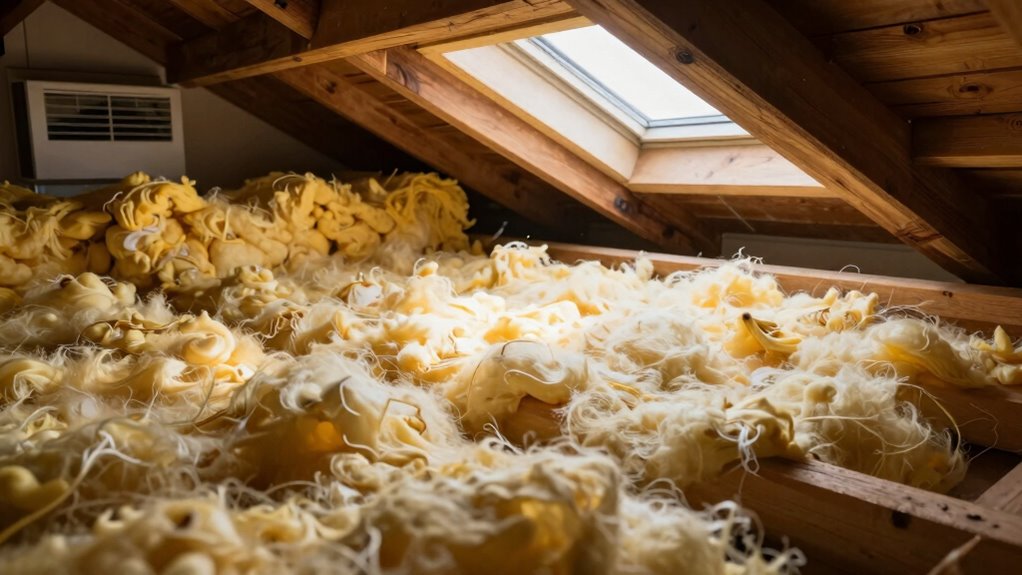
Good insulation acts as a barrier that keeps cool air inside your home and prevents warm air from seeping in, which means your cooling appliances don’t have to work as hard. When insulation is effective, it minimizes the process of thermal transfer — the movement of heat from one area to another. Without proper insulation, heat easily moves through walls, ceilings, and floors, forcing your air conditioning units to continuously operate to maintain a comfortable temperature. This constant cycling consumes more energy, leading to higher utility bills and increased wear on your cooling systems.
By improving your home’s insulation, you markedly reduce the amount of heat entering your living space during hot days. Less heat gain means less work for your air conditioners or fans, which translates to less energy consumption overall. When thermal transfer is slowed down, your cooling appliances don’t need to run as often or as long. This is because they’re not fighting against the constant influx of warm air, which makes your home more energy-efficient. As a result, you conserve energy, save money, and reduce your carbon footprint.
Good insulation also stabilizes indoor temperatures, preventing the rapid fluctuations that make your cooling systems work harder. When your home retains its coolness longer, your appliances can operate at a steady, lower capacity. This not only conserves energy but also extends the lifespan of your cooling equipment by reducing strain and overheating. The more effectively your home resists heat transfer, the less energy you waste battling outside temperatures. Additionally, proper insulation can enhance the overall comfort of your home by reducing drafts and hot spots. Proper insulation also supports energy conservation efforts by reducing the need for excessive cooling. Understanding the importance of thermal transfer helps you make informed decisions about your home’s insulation needs.
Furthermore, effective insulation complements other energy conservation measures, like sealing leaks and installing energy-efficient windows. Together, these steps create an all-encompassing barrier against unwanted heat transfer. You’ll notice that your home stays cooler for longer periods, requiring your cooling appliances to cycle less frequently. In turn, this decreases your overall energy usage and helps you stay within budget while contributing to environmental conservation efforts. Additionally, air leakage reduction can significantly improve the insulation’s effectiveness and further lower energy costs. Incorporating insulation materials with proper installation techniques ensures optimal performance and energy savings.
In essence, better insulation isn’t just about comfort—it’s about smart energy management. It allows you to keep the heat out and the cool in more efficiently, reducing the workload of your cooling appliances. This results in less energy consumption, lower bills, and a more sustainable home environment. When you focus on minimizing thermal transfer through quality insulation, you’re making a simple yet powerful choice for energy conservation that benefits both your wallet and the planet.
As an affiliate, we earn on qualifying purchases.
Frequently Asked Questions
How Does Insulation Affect Electricity Bills for Cooling Appliances?
Better insulation reduces your electricity bills by improving energy savings. It keeps the cool air inside and prevents warm air from entering, so your cooling appliances don’t have to work as hard. This means less energy consumption, which leads to significant cost reduction over time. By investing in good insulation, you guarantee your cooling systems operate efficiently, saving you money and making your home more comfortable year-round.
What Types of Insulation Are Most Effective for Cooling Efficiency?
You might think all insulation types are equally effective, but studies show materials with higher thermal resistance perform better for cooling efficiency. Rigid foam boards and spray foam insulate well, offering superior insulating materials that reduce heat transfer. These materials create a strong barrier, preventing outside heat from entering and inside cool air from escaping. Selecting insulation with high thermal resistance guarantees your cooling appliances work less, saving you energy and money.
Can Insulation Improvements Reduce Your Cooling Appliance’s Lifespan?
Insulation improvements generally won’t reduce your cooling appliance’s lifespan if you choose durable materials and proper installation. In fact, insulation durability guarantees long-lasting, cost-effective upgrades that keep your home cooler and your appliances working efficiently. By preventing excessive heat buildup, better insulation reduces strain on your cooling system, potentially extending its lifespan. So, investing in quality, cost-effective upgrades benefits both your comfort and your appliances’ longevity.
How Often Should Insulation Be Inspected or Upgraded?
Think of insulation as your home’s armor—it’s essential to keep it in peak condition. You should inspect your insulation at least every 3 to 5 years, especially if you notice drafts or increased energy bills. Upgrading or repairing insulation when needed boosts durability, ensuring it continues to protect efficiently. An annual inspection schedule helps catch wear early, so you maintain ideal energy performance and prolong the insulation’s lifespan.
Does Insulation Impact the Environmental Footprint of Cooling Appliances?
Yes, insulation impacts the environmental footprint of cooling appliances by reducing energy consumption, which lowers greenhouse gas emissions. Opting for sustainable insulation materials enhances insulation sustainability, making your home more eco-friendly. When you improve insulation quality, your cooling systems work less, conserving energy and minimizing environmental impact. Consequently, investing in better, sustainable insulation not only saves you money but also contributes positively to the planet’s health.
energy-efficient window insulation kits
As an affiliate, we earn on qualifying purchases.
As an affiliate, we earn on qualifying purchases.
Conclusion
By improving your insulation, you can keep your home cooler and reduce the workload on your cooling appliances. Think of insulation as a cozy blanket that keeps the heat out and the cool in. Even if you worry it’s a costly upgrade, it’s like planting a shade tree—initial effort now saves you energy and money later. So, invest in better insulation and enjoy a more comfortable, energy-efficient home without overworking your AC.
As an affiliate, we earn on qualifying purchases.
air sealing and insulation products
As an affiliate, we earn on qualifying purchases.
As an affiliate, we earn on qualifying purchases.
Halloween Picks
halloween
As an affiliate, we earn on qualifying purchases.