Your indoor climate greatly impacts your appliances’ performance and lifespan. If humidity is too high or too low, it can cause mold, rust, static, or damage to electronics. Temperature fluctuations force your HVAC and refrigerators to work harder, increasing energy costs and wear. Maintaining stable humidity and temperature levels helps your appliances run efficiently and last longer. Keep exploring to discover specific strategies to keep your indoor environment ideal and your appliances functioning smoothly.

Get kitchen gear delivered free — and shop member deals
- Fast, free delivery on millions of items
- Access to Prime Big Deal Days deals on October 6–7
- Prime Video, Amazon Music and more included
Key Takeaways
- Fluctuations in humidity cause moisture buildup or dryness, impairing appliance function and increasing maintenance needs.
- Temperature swings lead to rapid cycling and potential damage to refrigerators and HVAC systems.
- High humidity promotes mold and rust, compromising appliances like washers, dryers, and electronics.
- Dry air increases static and electrical damage risk, reducing appliance lifespan.
- Maintaining stable indoor conditions ensures optimal appliance efficiency and reduces energy consumption.

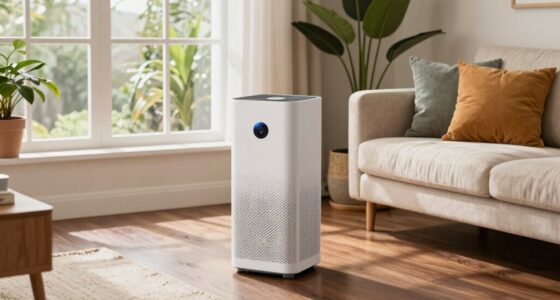
Your indoor climate directly influences how well your appliances perform and how comfortable your living space feels. When the air’s humidity levels are off, it can cause a ripple effect that impacts everything from your heating system to your electronics. Proper humidity control helps maintain a balanced environment, preventing issues like mold growth or dry skin, and it also guarantees your appliances operate efficiently. If the air becomes too dry or too moist, your HVAC system may have to work harder to regulate temperature, leading to increased energy consumption and wear on the system over time. Maintaining balanced humidity is essential to prevent these problems and support appliance longevity. Additionally, the use of dehumidifiers or humidifiers can help fine-tune indoor humidity levels for optimal appliance performance. Ensuring proper ventilation can also help regulate humidity levels and prevent stale air buildup, further protecting your appliances. Maintaining a consistent indoor climate can also help reduce the frequency of appliance breakdowns caused by environmental stress.
Maintaining balanced humidity levels enhances appliance efficiency and indoor comfort, reducing energy use and prolonging lifespan.
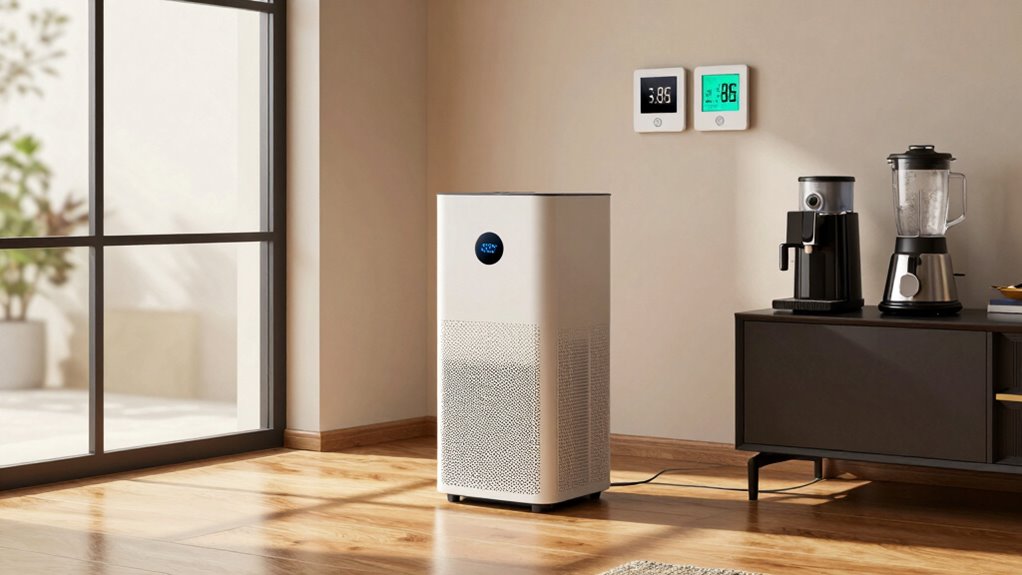
Environmental stability, including consistent humidity and temperature, plays a crucial role in safeguarding your appliances from damage. Temperature fluctuations are another vital factor that can affect appliance performance. When indoor temperatures swing widely, your appliances, especially refrigerators, washing machines, and HVAC systems, struggle to maintain their best functioning. For example, if your home gets uncomfortably hot during the day and then cools rapidly at night, your cooling and heating units are forced to cycle more frequently. This constant cycling not only reduces their lifespan but also increases energy costs. Sudden temperature changes can also cause condensation inside appliances or on electronic components, risking damage or short circuits.
Your refrigerator, in particular, relies heavily on a stable environment. Fluctuations in room temperature can cause it to work overtime, trying to compensate for the inconsistent ambient conditions. This extra effort shortens its lifespan and wastes energy. Similarly, your washer and dryer are sensitive to moisture levels; high humidity can cause rust and mold to develop inside the units, while excessively dry air can lead to static buildup and damage to delicate electronics. Your HVAC system, which is designed to keep indoor temperature steady, ends up bearing the brunt of these fluctuations, leading to increased maintenance needs and higher utility bills.
To maximize appliance performance and extend their lifespan, focus on maintaining a stable indoor climate. Use a humidifier or dehumidifier as needed to keep humidity levels in check. Invest in a good thermostat that can manage temperature fluctuations more precisely. Regular maintenance, such as cleaning filters and inspecting vents, also plays a vital role in guaranteeing your appliances aren’t working harder than they should be. By creating a balanced indoor environment, you not only improve your comfort but also protect your appliances from unnecessary stress, saving you money in the long run and ensuring everything operates smoothly for years to come. Proper climate control is a key element in this effort, helping you create an optimal environment for both your health and your appliances. Additionally, being aware of the environmental conditions can help you anticipate and prevent potential appliance issues before they arise.
As an affiliate, we earn on qualifying purchases.
Frequently Asked Questions
How Does Humidity Specifically Impact Appliance Longevity?
Humidity greatly impacts appliance longevity by increasing moisture damage and corrosion risk. When humidity levels are high, moisture can seep into electronic components and metal parts, causing rust and corrosion that weaken appliances over time. You might notice appliances fail sooner or require more repairs. To protect your devices, keep indoor humidity balanced, use dehumidifiers if necessary, and ensure proper ventilation, reducing moisture damage and extending appliance lifespan.
What Indoor Air Pollutants Affect Appliance Efficiency?
Indoor air pollutants like indoor mold and airborne chemicals can substantially reduce your appliance efficiency. Mold spores can clog filters and vents, causing motors to work harder and wear out faster. Airborne chemicals, such as VOCs from cleaning products, can corrode internal components or clog sensitive parts. To keep your appliances running smoothly, control humidity levels, improve ventilation, and minimize exposure to mold and airborne chemicals.
Can Temperature Fluctuations Cause Appliance Breakdowns?
Yes, temperature fluctuations can cause appliance breakdowns. When temperatures vary, thermal expansion occurs in metal parts, which can lead to misalignments or cracks over time. Sudden drops in temperature increase condensation risks, potentially damaging electronic components and promoting rust. These effects strain appliances, shorten their lifespan, and lead to costly repairs. Maintaining a stable indoor climate helps prevent these issues, ensuring your appliances operate efficiently and last longer.
How Does Indoor Climate Influence Energy Consumption?
Your indoor climate directly influences energy consumption by affecting ventilation efficiency and condensation control. Poor ventilation forces appliances to work harder, increasing energy use, while high humidity leads to condensation, straining systems like HVAC units and dehumidifiers. Maintaining proper airflow and moisture levels helps appliances operate efficiently, reducing power bills. By managing indoor climate effectively, you minimize unnecessary energy consumption and prolong your appliances’ lifespan.
Are Certain Appliances More Sensitive to Indoor Climate Changes?
Think of your appliances as delicate dancers, responding to the stage’s environment. Yes, some are more sensitive—like HVAC systems or humidifiers—requiring ideal ventilation efficiency and stable indoor air quality to perform their best. Fluctuations in temperature or humidity can cause them to work harder or break down sooner. So, maintaining consistent indoor conditions helps these sensitive appliances operate smoothly, extending their lifespan and ensuring they serve you reliably.
humidifier for indoor air quality
As an affiliate, we earn on qualifying purchases.
As an affiliate, we earn on qualifying purchases.
Conclusion
Remember, your indoor climate is the silent conductor of your appliances’ performance. When humidity is too high or temperatures swing wildly, it’s like trying to dance on a stormy sea—nothing moves smoothly. By maintaining a stable environment, you guarantee your appliances run like a well-oiled machine, saving you time and money. Keep your indoor climate in harmony, and your appliances will perform their symphony without missing a beat.
As an affiliate, we earn on qualifying purchases.
As an affiliate, we earn on qualifying purchases.
Fall Picks
fall essentials
As an affiliate, we earn on qualifying purchases.