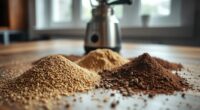
Roasting coffee at home turns your daily brew into something extraordinary. You gain full control over flavors and can experiment with different green beans from various origins. Start by selecting high-quality beans and using basic equipment like a stovetop popper or oven. Monitor the roasting process closely, listening for the first crack to reach your desired roast. Cool and store the beans properly, and enjoy the artistry of your personalized blend. Learn more about equipment and techniques to elevate your brewing experience.
Key Takeaways
- Start with high-quality green coffee beans from diverse origins to enhance your flavor experience.
- Use specialized home coffee roasters or a stovetop popcorn popper for effective roasting control.
- Preheat your equipment and measure out about half a pound of beans for optimal results.
- Monitor the roasting process closely, listening for the first crack to gauge doneness.
- Cool the roasted beans quickly and store them in airtight containers for maximum freshness.

Have you ever wondered how to elevate your coffee experience? Roasting coffee at home can transform your daily cup into something extraordinary. It’s not just about brewing; it’s about taking control of every aspect, from the selection of green coffee to the final roast. You’ll discover a world of flavors that commercial brands can’t replicate, and you’ll enjoy the satisfaction of crafting your own unique blend.
Elevate your coffee journey by roasting at home—craft unique flavors and enjoy the satisfaction of your personalized blend.
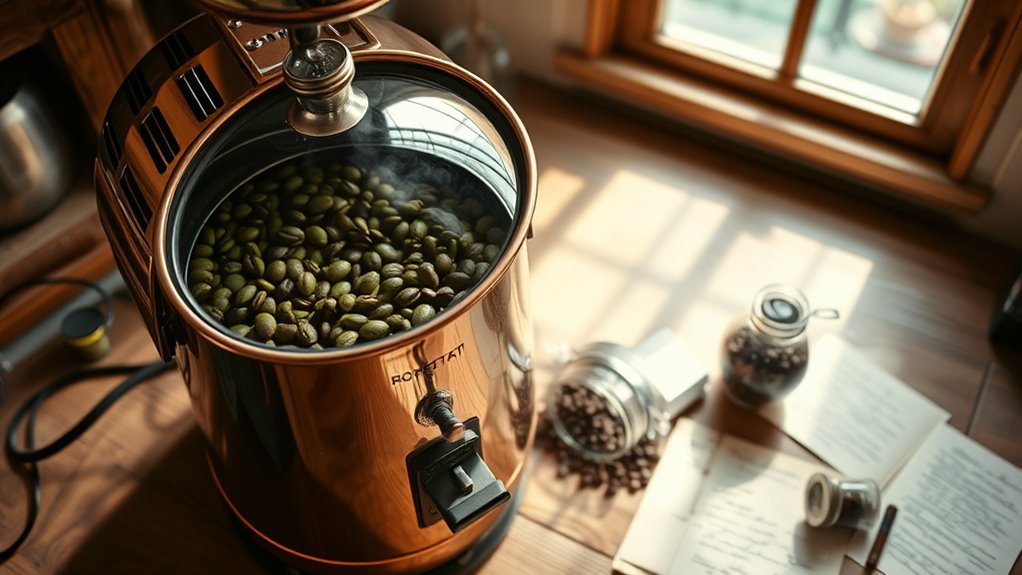
To get started, you’ll need some basic roasting equipment. While there are specialized machines available, you don’t have to break the bank. You can use a simple stovetop popcorn popper, a dedicated home coffee roaster, or even an oven. Each method has its pros and cons, but the key is to maintain control over the heat and airflow. This control allows you to achieve the roast profile you desire.
Choosing the right green coffee beans is essential. You’ll find a variety of origins, each contributing its own unique flavor notes. Whether you prefer fruity Ethiopian beans or chocolatey Brazilian ones, make sure to source high-quality, raw green coffee. Consider ordering from local roasters or specialty coffee suppliers. They often provide detailed information about the beans, including their flavor profiles and ideal roasting times.
Once you’ve got your green coffee and roasting equipment ready, it’s time to get down to business. Measure out the amount you want to roast—generally, starting with half a pound is a good idea. Preheat your roasting equipment according to its specific instructions. If you’re using a stovetop popper, keep it moving to ensure even roasting. If you’re using an oven, spread the beans in a single layer on a baking sheet and monitor them closely.
As the beans roast, you’ll notice them changing color and releasing aromas that will tantalize your senses. Listen for the first crack, which indicates that the beans have reached a light roast. If you prefer a darker roast, keep an eye on the beans, as they’ll continue to develop flavor. Remember, roasting is an art, and it may take a few tries to nail down your preferred level.
After roasting, let the beans cool before storing them in an airtight container. You’ll want to let them rest for a day or two to allow the flavors to develop fully. Now, you’re ready to brew! Enjoy the fruits of your labor, and take pride in the fact that you’ve created a coffee experience tailored just for you.

JIAWANSHUN Electric Coffee Bean Roaster for Home Use 1.1lb Capacity Temperature Control (0-240℃), Non-Stick, Perfect for Beginner Roasting, 1200W, 110V
- Easy to Clean Non-Stick Chassis: Effortless cleaning with non-stick surface
- Built-In Stirring Rod: Ensures even roasting
- Adjustable Thermostat: Precise temperature control (0-240℃)
As an affiliate, we earn on qualifying purchases.
As an affiliate, we earn on qualifying purchases.
Frequently Asked Questions
What Type of Green Beans Should I Buy for Roasting?
You should focus on green bean selection by choosing quality beans that suit your taste preferences. Look for beans from reputable sources, considering origins like Ethiopia for fruity notes or Colombia for balanced flavors. Specialty coffee roasters often offer a variety of green beans, so don’t hesitate to ask for recommendations. Experimenting with different beans will help you discover what you love most in your homemade coffee. Enjoy the journey!
How Long Does Home-Roasted Coffee Stay Fresh?
Home-roasted coffee’s freshness duration is a bit of a joke, isn’t it? While you might think it lasts forever, it actually starts losing flavor within a week. To keep that rich taste, store your beans in an airtight container away from light, heat, and moisture. You’ll want to enjoy them within two to three weeks for the best experience. So, embrace the irony and savor your brew while it’s still fresh!
Can I Roast Coffee Without a Dedicated Roaster?
Yes, you can roast coffee without a dedicated roaster! You can use alternative roasting methods like a stovetop popper, oven, or even a skillet. With some DIY roasting equipment, like a simple popcorn maker or a heavy pan, you can achieve great results. Just keep an eye on the beans and stir frequently to guarantee even roasting. Experimenting with these methods can lead to delicious, customized coffee right at home!
What Are the Signs That My Coffee Is Over-Roasted?
When your coffee beans start resembling burnt toast, you know you’ve over-roasted them. Look for a dark, almost charred color change and listen for the absence of that vibrant crack. Aroma indicators are essential too; if the scent shifts from sweet and nutty to acrid and smoky, it’s a red flag. Trust your senses; if it smells like a campfire, you’ve likely pushed those beans past their prime.
How Can I Experiment With Different Roast Profiles at Home?
To experiment with different roast profiles at home, start by adjusting your roasting temperature control. Try roasting beans at various temperatures to see how it affects cupping flavor profiles. Keep notes on each batch you roast, noting the time and temperature for each profile. Taste test your results to identify your favorites. With each roast, you’ll refine your technique and discover the unique flavors that different roast levels can bring out in your coffee.

Original Whirley Pop Popcorn Machine – 3-Minute Stovetop Popcorn Maker for Home Movie Snacks & Game Night – Wabash Valley Farms – Aluminum Pot With Nylon Gears – (Silver)
- Quick Popcorn Preparation: Makes 6 quarts in 3 minutes
- Durable Nylon Gear System: Prevents burning with patented stirring mechanism
- Easy to Clean: Removable lid for simple wiping
As an affiliate, we earn on qualifying purchases.
As an affiliate, we earn on qualifying purchases.
Conclusion
As you embark on your coffee roasting journey, think of yourself as a skilled blacksmith, forging a unique brew from raw beans. Each roast is a new creation, a blend of flavors waiting to be revealed. Embrace the process, experiment with different beans, and let your palate guide you. The warmth of your roaster mirrors the heart of your craft; with every crack and pop, you’re not just roasting coffee—you’re crafting a delicious story in a cup.

Fresh Roasted Coffee, Adventurer Unroasted Green Coffee Beans Home Roasting Starter Kit, Variety 4-Pack, Kosher, 4 lb (Four 1 lb Bags)
- Package Includes: Four 16 oz unroasted coffee bags
- Coffee Type: 100% Arabica beans from global farms
- Suitable For: Beginners and experienced roasters
As an affiliate, we earn on qualifying purchases.
As an affiliate, we earn on qualifying purchases.
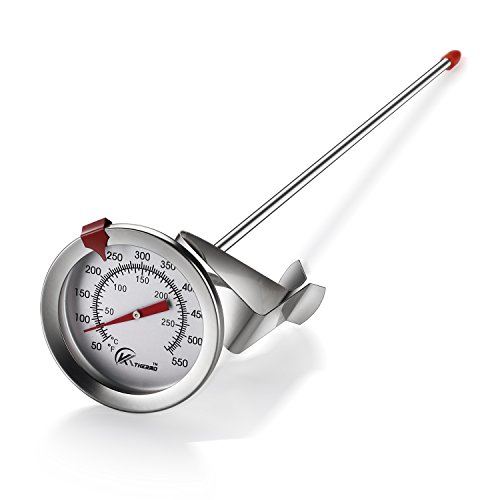
KT THERMO Candy/Deep Fry Thermometer with Instant Read,Dial Thermometer,12" Stainless Steel Stem Meat Cooking Thermometer,Best for Turkey,BBQ,Grill,Analog display
- Multi-purpose Use: Measures oil, frying, and BBQ temperatures
- Wide Temperature Range: 50°F to 550°F for various foods
- Durable Stainless Steel: Corrosion-resistant and easy to clean
As an affiliate, we earn on qualifying purchases.
As an affiliate, we earn on qualifying purchases.