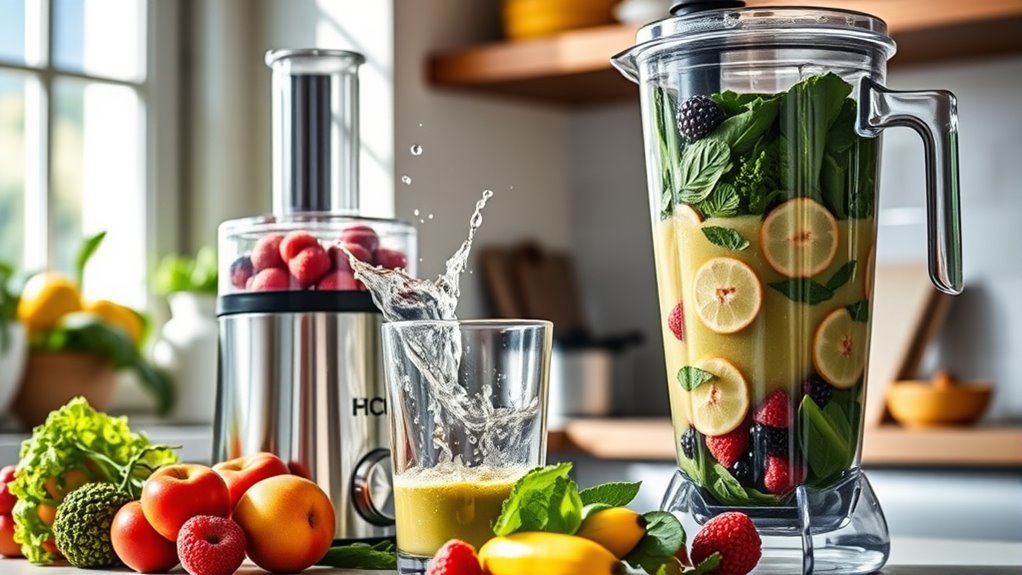

When it comes to juicing vs. blending, blending is generally healthier for you. It retains all the fiber and nutrients from fruits and vegetables, supporting digestion and slowing sugar absorption. Juicing, while offering concentrated vitamins, removes most of the fiber. If you’re looking for convenience, blending is quicker and easier to clean up. Both methods have their benefits, and understanding the differences can help you optimize your health routine for the best results. Want to know more?
Key Takeaways
- Juicing provides concentrated nutrients but lacks fiber, while blending retains fiber, promoting better digestion and gut health.
- Blending is quicker and easier, allowing whole fruits and vegetables to be used with minimal prep and cleanup.
- Juicing offers immediate nutrient boosts, making it beneficial for those with digestion issues, but is best for occasional use.
- Regularly consuming blended drinks maximizes nutrient retention and fiber intake, supporting overall health and metabolic function.
- Combining both juicing and blending can optimize health benefits, providing a balance of concentrated nutrients and fiber.
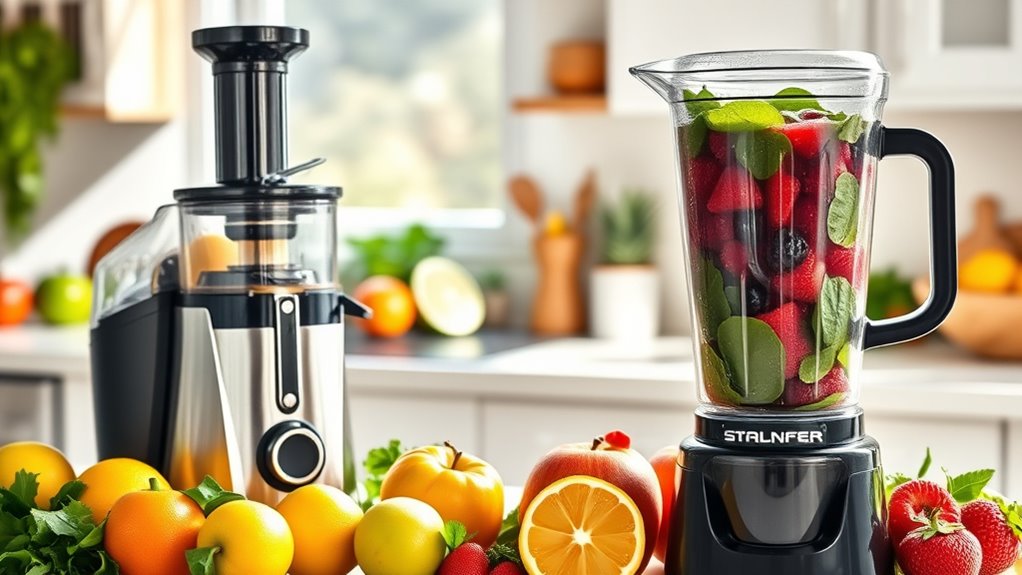
When you’re trying to boost your health with fruits and vegetables, deciding between juicing and blending can be a challenge. Both methods offer unique benefits, but they also come with their own sets of convenience factors and implications for nutrient retention that you should contemplate.
Juicing typically involves extracting the liquid from fruits and vegetables, which means you’re getting a concentrated dose of vitamins and minerals without the bulk of the fiber. This can be advantageous if you’re looking for a quick nutrient boost or if you’re struggling with digestion. However, while juicing may provide a higher concentration of certain nutrients, it often sacrifices fiber content, which plays a critical role in digestion and overall health. If you’re aiming for maximum nutrient retention, blending might be the better choice. When you blend, you keep all the pulp and fiber intact, which helps slow down the absorption of sugar while also supporting gut health.
Juicing offers concentrated nutrients without fiber, while blending preserves fiber for better digestion and nutrient retention.
In terms of convenience factors, think about your lifestyle and how much time you have. Juicing generally requires more prep time, as you often have to wash, peel, and chop your produce before putting it into a juicer. Cleanup can also be a hassle, as juicers tend to have more parts that need washing afterward. On the other hand, blending is usually more straightforward. You can toss whole fruits and vegetables into a blender, which cuts down on prep and cleanup time. If you’re often on the go, a smoothie might fit more seamlessly into your routine, allowing you to sip on your nutrients while multitasking.
Both juicing and blending have their pros and cons, so it’s essential to consider what you need from your health regimen. If you’re looking for a quick energy boost or a way to increase your vitamin intake without worrying about fiber, juicing might be the way to go. But if you want to maximize nutrient retention while also enjoying the benefits of fiber, blending is likely the better option. Ultimately, incorporating both methods into your diet can give you the best of both worlds. Whether you choose to juice or blend, you’re taking a positive step toward improving your health and well-being. Additionally, using AI tools to streamline your meal prep can help make the process even more efficient.

Ninja Flip Toaster Oven & Air Fryer, 8-in-1, Stainless Steel, SP151
- Space-Saving Design: Flips up for compact storage
- 8-in-1 Cooking Functions: Air fry, roast, broil, bake, and more
- Even Cooking Technology: Infrared and circulating air for consistent results
As an affiliate, we earn on qualifying purchases.
Frequently Asked Questions
Can Juicing or Blending Aid in Weight Loss?
Yes, both juicing and blending can aid in weight loss. They help with calorie control by allowing you to consume more fruits and vegetables while managing portions. However, keep an eye on sugar intake, especially with juicing, as it can concentrate sugars while losing fiber. By integrating these methods into a balanced diet, you can feel fuller and more satisfied, helping you stick to your weight loss goals.
What Nutrients Are Lost in Juicing Compared to Blending?
When you juice, it’s like extracting the essence of a fruit while leaving behind its rich tapestry of nutrients. You lose fiber, which helps with digestion, and some vitamins, particularly vitamin C, can suffer from nutrient degradation. The oxidation effects during juicing further diminish antioxidants. In contrast, blending keeps these nutrients intact, providing a smoother drink with all the benefits packed in. So, if you’re after maximum nutrition, blending’s got your back!
Is Juicing Safe for Everyone to Try?
Juicing’s generally safe for most people, but it’s not for everyone. If you’ve got diabetes, kidney issues, or digestive problems, you should be cautious. Juicing safety varies based on your health conditions. On the other hand, blending health benefits include fiber retention, making it a better option for those needing balanced nutrition. Always listen to your body and consult a healthcare professional if you’re unsure about incorporating juicing into your diet.
How Much Fiber Is Retained in Blended Drinks?
“You are what you eat,” and when it comes to blending, you’re keeping most of the fiber intact. Blended drinks retain about 90% of the fiber from fruits and vegetables, which is one of the blending benefits. This fiber helps with digestion and keeps you feeling full longer. So, if you’re looking to boost your fiber intake, blending is a fantastic way to enjoy all those nutrients without losing much fiber retention.
Can You Combine Juices and Smoothies for Better Health?
Yes, you can definitely combine juices and smoothies for better health! Mixing them allows you to enjoy a variety of flavor combinations while maximizing ingredient versatility. For instance, blending a smoothie with a splash of juice can enhance the taste and provide additional nutrients. You’ll get the benefits of fiber from the smoothie and the concentrated vitamins from the juice, creating a delicious and nutritious drink that satisfies your cravings and boosts your health!

Cuisinart Toaster Oven Broiler, 1800W Countertop Design, 0.5 cu. ft.
- Power: 1800 Watts for versatile cooking
- Capacity: 0.5 cubic feet interior space
- Toast Control: Consistent toasting with Even Shade
As an affiliate, we earn on qualifying purchases.
Conclusion
When it comes to juicing vs blending, it really boils down to your lifestyle and health goals. If you’re after quick nutrient absorption and a revitalizing drink, juicing might be your jam. But if you want fiber and a more filling option, blending wins hands down. Just like vinyl records made a comeback, both methods have their place in your kitchen. So, choose what fits your groove and enjoy the benefits of both worlds!
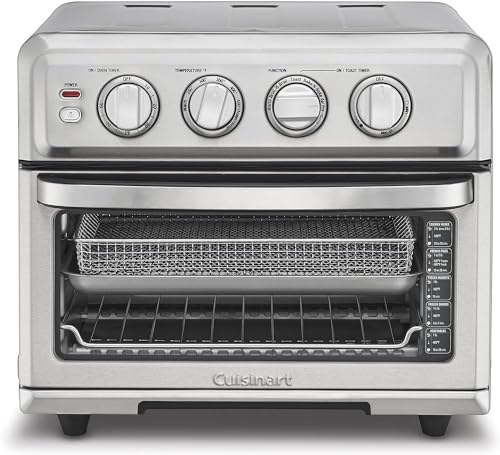
Cuisinart Air Fryer Toaster Oven, 1800W, 8-in-1 with Air Fry, Convection, Broil & Warm, 0.6 Cubic Feet, 60-Minute Timer, TOA-70NAS, Stainless Steel
- Versatile Cooking Functions: Multiple cooking modes including air fry and bake
- Spacious Capacity: Toast 6 slices or cook 3 lbs. of wings
- Easy Operation: Adjustable temperature, timer, and toast shade
As an affiliate, we earn on qualifying purchases.

BLACK+DECKER 4-Slice Toaster Oven with Natural Convection, Stainless Steel, TO1760SS (TO1760SST-1)
- Cooking Functions: Convection bake, broil, toast, warm
- Compact Size: Fits 9-inch pizza and 4 slices of bread
- Wattage: 1150W for efficient cooking
As an affiliate, we earn on qualifying purchases.