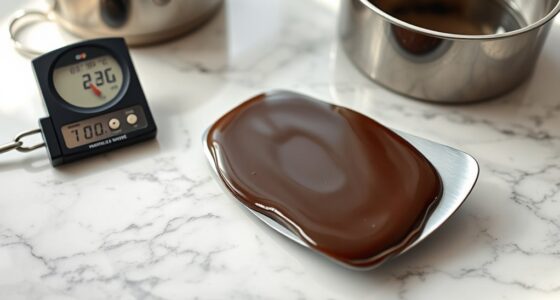
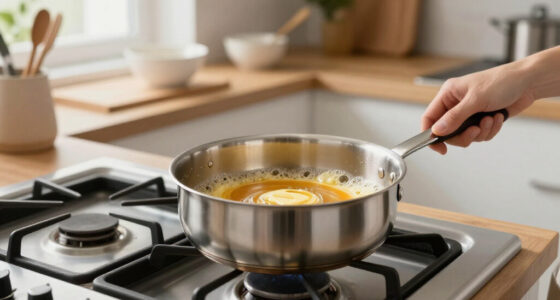
Double boiling is definitely necessary when you want to melt chocolate or make delicate sauces without burning them. By using a heatproof bowl over simmering water, you control the heat, ensuring even cooking while preserving flavor and texture. It’s ideal for sensitive ingredients, preventing degradation and enhancing extraction of essential flavors. If you want to learn more about the benefits and methods of double boiling, there’s plenty more to uncover.
Listen free for 30 days with Audible
Thousands of audiobooks and originals — cancel anytime.
As an affiliate, we earn on qualifying purchases.
Key Takeaways
- Double boiling is essential for melting chocolate and preparing delicate sauces without risking burning or seizing.
- Use double boiling when working with sensitive ingredients that require gentle, even heating to maintain texture and flavor.
- The method provides a controlled cooking environment, reducing the need for constant monitoring and minimizing cooking disasters.
- Double boiling enhances the extraction of flavors while preserving the natural qualities of herbs, spices, and fruits.
- Employ this technique for luxurious results, ensuring delicate culinary tasks yield the best quality and flavor retention.

When you’re cooking delicate ingredients or melting chocolate, you might wonder if double boiling is really necessary. The truth is, this technique can make a significant difference in your cooking, especially when it comes to temperature control and flavor preservation. Using a double boiler helps to gently heat your ingredients, preventing them from scorching or seizing, which can happen with direct heat.
In a double boiler setup, you place a heatproof bowl over a pot of simmering water. This creates a buffer between your ingredients and the direct heat source, allowing for a more controlled cooking environment. You’ll find that this method works wonders for items like chocolate, custards, or delicate sauces. By keeping the heat low and steady, you’re able to maintain the integrity of the ingredients while ensuring that the flavors meld beautifully.
One of the main benefits of double boiling is temperature control. When you’re working with ingredients that can easily burn or change in texture, this method gives you the upper hand. You won’t have to constantly monitor the heat, reducing the risk of disaster. Instead of worrying about burning chocolate or curdling a custard, you can focus on getting the perfect consistency and flavor. The gentle heat allows for even cooking, which is vital for achieving that luxurious texture you’re aiming for.
Moreover, double boiling is essential for flavor preservation. When you expose delicate ingredients to high heat, you risk losing their subtle flavors and aromas. This is particularly true for herbs, spices, and even certain fruits. Using the double boiler technique allows you to extract those flavors without compromising their quality. You’ll notice that sauces made this way tend to have a more rounded and vibrant taste, as the gentle heat enhances rather than diminishes the ingredients’ natural qualities.
double boiler for melting chocolate
As an affiliate, we earn on qualifying purchases.
As an affiliate, we earn on qualifying purchases.
Frequently Asked Questions
Can I Use a Microwave Instead of Double Boiling?
Yes, you can use a microwave instead of double boiling, but there are some safety considerations. Microwaves heat unevenly, which might lead to hot spots and could burn delicate ingredients. To avoid this, stir your mixture frequently and use microwave-safe containers. If you’re looking for microwave alternatives, consider steamers or slow cookers, which can provide gentle heat while preserving the integrity of your ingredients. Just stay attentive to prevent overheating!
What Types of Dishes Require Double Boiling?
Dishes that require delicate temperature control, like custards, chocolate melts, or sauces, benefit from double boiling. This method guarantees your ingredients don’t overheat or curdle, giving you a smooth texture. It’s perfect for preparing chocolate for desserts or sauces that need gentle heat. When you’re working with fragile ingredients, double boiling is your best bet for achieving the right consistency without compromising flavor. So, grab your double boiler for perfect results!
How Long Should I Double Boil for Best Results?
To get the best results, you should double boil for about 30 to 60 minutes, like a gentle dance of steam and warmth. This method offers precise temperature control, ensuring your ingredients meld beautifully without scorching. Keep an eye on the water level in the bottom pot, and don’t forget your safety precautions—hot steam can be deceptive. With patience, you’ll create dishes that sing with flavor, elevating your culinary creations to new heights.
Is Double Boiling Safe for All Types of Foods?
Yes, double boiling is generally safe for most types of foods. It helps maintain food safety by gently cooking ingredients without direct heat, reducing the risk of burning or overcooking. However, you should consider dietary restrictions, as some ingredients might not react well to this method. Always check specific foods for compatibility, especially delicate items like chocolates or certain herbs, to guarantee you get the best results while staying within your dietary needs.
Can I Double Boil With Non-Stick Cookware?
You can double boil with non-stick cookware, but you should be cautious. Non-stick limitations might affect how evenly your food heats and could lead to the coating deteriorating over time. To guarantee safety and effectiveness, consider cookware alternatives like stainless steel or glass. These options provide better heat distribution and won’t risk damaging your delicate ingredients. Always choose wisely to get the best results from your double boiling technique!
As an affiliate, we earn on qualifying purchases.
Conclusion
In the end, double boiling isn’t always necessary, but it can be incredibly beneficial. When you want to preserve delicate flavors, when you aim to avoid scorching, and when you endeavor for a smoother texture, double boiling shines. So, whether you’re melting chocolate or infusing herbs, remember that this technique can elevate your cooking. Embrace it when needed, but don’t hesitate to explore other methods, as every dish deserves the right approach for its unique qualities.
As an affiliate, we earn on qualifying purchases.
As an affiliate, we earn on qualifying purchases.
NFL season / tailgating Picks
team gear
As an affiliate, we earn on qualifying purchases.