
TL;DR

Get kitchen gear delivered free with Prime
- Fast, free delivery on millions of items
- Prime Video, Amazon Music and more included
- Member-only deals all year
Salmorejo, a traditional Spanish cold tomato soup from Andalusia, is experiencing a surge in international popularity. Recent reports confirm increased exports and recognition, highlighting its cultural significance.
Recent reports confirm that salmorejo, a traditional Andalusian cold tomato soup, is experiencing a significant rise in international recognition. This surge is driven by increased exports, culinary enthusiasm, and media coverage, making it a notable development in Spain’s gastronomic export landscape. The growing popularity underscores the dish’s cultural importance and expanding global footprint.
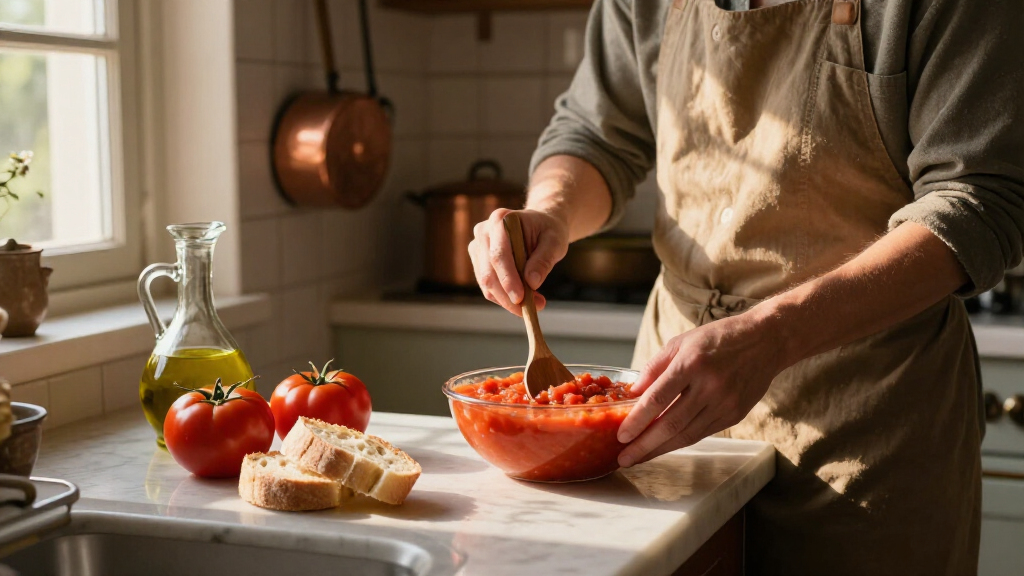
Salmorejo is a chilled, creamy soup originating from Córdoba, Andalusia, made primarily from ripe tomatoes, bread, garlic, olive oil, and vinegar. It is traditionally served with toppings such as hard-boiled eggs and jamón ibérico. According to recent reports from Spain’s Ministry of Agriculture, exports of salmorejo products increased by approximately 25% in the first half of 2023 compared to the previous year, signaling growing international demand. Culinary experts and food writers have highlighted salmorejo’s unique texture and flavor, which distinguish it from similar dishes like gazpacho. The dish has been featured in international food festivals and promoted through social media campaigns, contributing to its rising profile outside Spain.Food industry analysts note that the surge in salmorejo’s popularity coincides with broader trends favoring authentic, regional cuisines, and health-conscious eating. The dish’s natural ingredients and refreshing qualities make it especially appealing in warmer climates and during summer months. Spanish producers and exporters have reported increased interest from markets in North America, Asia, and Europe, with some new brands entering international markets. Despite this growth, the traditional preparation methods remain central to its cultural identity, with many local producers emphasizing artisanal craftsmanship.
Why the International Rise of Salmorejo Matters for Spanish Cuisine
The increasing global popularity of salmorejo highlights the growing international appreciation for authentic regional dishes from Spain, especially those that emphasize natural ingredients and traditional preparation. This trend benefits Spanish exporters and promotes cultural exchange, while also raising awareness of Andalusian culinary heritage. Moreover, salmorejo’s rising profile can boost local economies through increased tourism and export revenues. Its recognition as a signature dish reinforces Spain’s reputation as a leading culinary destination and showcases the country’s rich gastronomic diversity.
Salmorejo traditional Spanish soup kit
As an affiliate, we earn on qualifying purchases.
As an affiliate, we earn on qualifying purchases.
Historical and Cultural Roots of Salmorejo’s Growing Fame
Salmorejo has been a staple of Andalusian cuisine for centuries, traditionally prepared in Córdoba and surrounding regions. Its origins trace back to simple rural recipes that utilized local, seasonal ingredients. Over time, the dish gained popularity within Spain, especially during the 20th century, as a refreshing summer meal. In recent decades, culinary tourism and international food media have spotlighted regional Spanish dishes, including salmorejo, contributing to its expanding recognition. The dish’s rise aligns with global trends favoring Mediterranean diets and authentic, artisanal foods. The recent increase in exports and media features reflects a concerted effort by Spanish food authorities and local producers to promote regional specialties on the world stage.
“The growth in salmorejo exports demonstrates the increasing global appetite for authentic Spanish flavors and regional specialties.”
— Maria López, Spanish Food Export Council
As an affiliate, we earn on qualifying purchases.
Unconfirmed Aspects of Salmorejo’s Global Expansion
While export figures and media coverage indicate rising popularity, it is not yet clear how widespread the dish’s adoption is in mainstream international markets. Details about consumer preferences, pricing strategies, and regional variations remain under investigation. Additionally, the impact of global supply chain disruptions on salmorejo’s export growth has not been fully assessed. Experts caution that the current upward trend could fluctuate depending on market dynamics and consumer trends, and there is limited data on long-term sustainability of this growth.
As an affiliate, we earn on qualifying purchases.
Future Developments in Salmorejo’s International Presence
Industry analysts expect continued promotion through international food festivals and culinary collaborations. Spanish authorities and producers are likely to expand marketing efforts, including digital campaigns and partnerships with global distributors. Monitoring export data and consumer reception over the coming months will clarify whether salmorejo maintains its growth trajectory. Additionally, local producers may innovate with new variations or packaging to appeal to diverse markets. The ongoing interest will also influence efforts to preserve traditional recipes while adapting to global tastes.
As an affiliate, we earn on qualifying purchases.
Key Questions
Why is salmorejo becoming more popular internationally?
Its authentic regional origin, natural ingredients, and refreshing taste make salmorejo appealing, especially amid growing interest in Mediterranean diets and regional cuisines.
How is salmorejo typically prepared?
It is made from ripe tomatoes, stale bread, garlic, olive oil, and vinegar, blended into a smooth, chilled soup, traditionally topped with hard-boiled eggs and jamón ibérico.
Which markets are showing the most interest in salmorejo?
North America, Asia, and Europe are the primary regions where demand is increasing, with new brands entering these markets.
Are there any concerns about the sustainability of salmorejo’s growth?
Yes, experts note that supply chain issues and market fluctuations could impact its long-term expansion, but detailed data is still emerging.
Will traditional recipes be preserved as salmorejo becomes more commercialized?
Many producers emphasize maintaining artisanal methods, but some variations may emerge to suit international tastes and packaging demands.
Source: rss
Fall Picks
fall essentials
As an affiliate, we earn on qualifying purchases.