
TL;DR

Get kitchen gear delivered free with Prime
- Fast, free delivery on millions of items
- Prime Video, Amazon Music and more included
- Member-only deals all year
Oatly plans to launch functional oat drinks in North America in January, with options designed for protein shakes and coffee. The company says a serving of about 250 milliliters contains roughly 5 to 6 grams of fiber; whether the products can improve sales or profitability in the region remains unclear.
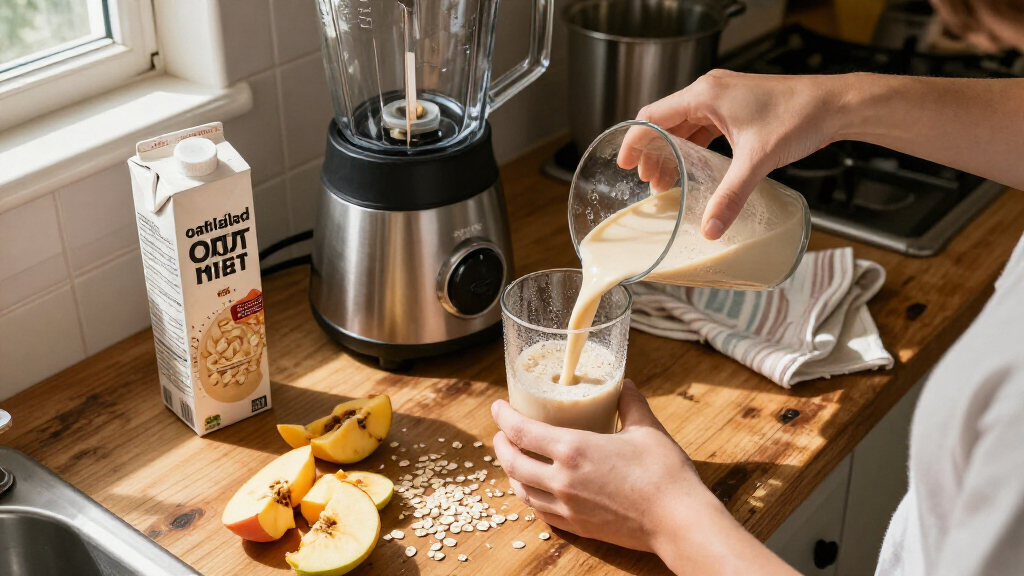
Oatly plans to launch functional oat drinks in North America in January, adding fiber-focused products as the company looks for growth beyond conventional plant-based milk. The line includes a low-calorie, no-sugar option for protein shakes and a low-sugar barista version; Oatly says an approximately 250-milliliter serving provides about 5 to 6 grams of fiber.
The drinks are already available in Europe, according to Food Dive. Oatly is presenting the products as a way to add fiber to everyday routines, including coffee and protein shakes, and to compete as a functional beverage brand rather than only as a dairy alternative. The company has not provided North American pricing or detailed distribution information in the supplied report.
Chief Operating Officer Daniel Ordonez described the fiber range as a development rooted in Oatly’s existing work with oats. Speaking during an earnings call the week before the report, he said the company wanted to be “among the leaders in reducing the fiber gap.” He also cited more than 30 years of oat research and innovation as a basis for the company’s position in the category.
The product push comes as Oatly works to improve profitability and address a difficult North American market. Food Dive reported that Oatly’s third-quarter revenue rose 9.1% year over year, but the company’s launch plans do not by themselves establish whether the new products will lift regional sales or margins.
A New Route Beyond Oat Milk
The launch gives Oatly a way to make its products relevant to consumers focused on specific nutritional features, not just whether a drink is plant-based. That distinction matters in a market where the company’s core category has faced pressure: plant-based milk dollar sales fell 2% in 2025, while traditional milk sales rose 2%, according to the Good Food Institute figures cited by Food Dive.
Fiber also gives Oatly a potential connection to demand for functional foods and drinks. The source report links that opportunity to health-conscious consumers and people using GLP-1 medications, for whom functional ingredients are drawing interest. But the report does not quantify how much of Oatly’s expected demand comes from GLP-1 users, nor does it establish that fiber products will change the company’s financial performance.
For shoppers, the immediate development is a new set of oat-based options with stated fiber and sugar features. For Oatly, the larger test is whether consumers will choose them often enough to support a turnaround in North America, where plant-based milk sales have been challenged.
Products Worth Considering

De'Longhi Dinamica Plus Fully Automatic Espresso Machine

Instant Pot Vortex Plus 6-Quart 6-in-1 Air Fryer

Cuisinart Chef's Classic 7-Piece Stainless Steel Cookware Set
As an affiliate, we earn on qualifying purchases.
Oatly’s North American Challenge
Oatly has struggled with profitability for several years, according to the source report, and sold a majority of its U.S. manufacturing assets. It recorded its first year of profitable growth in 2025, with strength in Europe, before reporting 9.1% year-over-year revenue growth in the third quarter. Those results provide company-wide context but do not show how the fiber line itself is performing.
The broader category has also shifted. The Good Food Institute data cited by Food Dive show plant-based milk dollar sales down 2% in 2025, compared with a 2% increase for traditional milk. Oatly says it wants to move beyond what Ordonez called the “binary dairy versus plant-based debate”, emphasizing flavor, texture and nutrition instead.
Fiber is a familiar nutrient rather than a new ingredient for oat products, but Oatly is making it central to its product positioning. The report cites USDA figures stating that more than 90% of women and 97% of men in the United States do not meet federal fiber recommendations. It also cites an International Food Information Council survey in which virtually all participants said they wanted or needed to increase fiber intake. These findings describe potential consumer interest, not confirmed demand for Oatly’s specific drinks.
““The fiber range is not simply innovation, it’s a natural evolution of who we are.””
— Daniel Ordonez, Oatly’s chief operating officer, during an earnings call, as quoted by Food Dive
Sales and Margins Remain Unclear
The planned January launch date and the products’ stated fiber and sugar positioning are reported, but North American prices, retail partners and availability by market are not specified in the supplied material. Oatly has not disclosed sales targets, expected margins, or how much it expects the range to contribute to revenue or profitability.
It is also unclear how consumers will respond to the taste, price and nutrition claims once the products reach North American shelves. The category statistics and surveys cited by Food Dive indicate broader market conditions and stated interest in fiber, but they do not predict purchases of these specific products. The source does not quantify the effect of GLP-1 use on demand.
January Launch Will Test Demand
The next reported milestone is Oatly’s planned North American launch in January. Details on where the drinks will be sold, their prices and the precise launch schedule may clarify how widely consumers can access them.
Oatly’s subsequent sales and earnings updates should show whether the fiber line gains traction and contributes to the company’s regional performance. Until those results are reported, the company’s statements describe its strategy and expectations, not a confirmed turnaround.
Key Questions
When will Oatly’s fiber drinks launch in North America?
Oatly plans to launch the drinks in January, according to the report published November 2, 2026. The supplied information does not give a more detailed rollout schedule.
What products are included in the fiber line?
The reported range includes a low-calorie, no-sugar option for protein shakes and a low-sugar barista version intended for coffee and similar drinks. The products are already available in Europe.
How much fiber does a serving contain?
Oatly’s products provide about 5 to 6 grams of fiber in an approximately 250-milliliter serving, described in the report as roughly one oat latte.
Is the launch expected to turn Oatly profitable in North America?
Oatly has presented fiber drinks as a potential growth opportunity, but the report gives no sales targets or forecast showing that the launch will make the North American business profitable. Its financial effect remains unknown.
Source: fooddive.com