To select the right dehumidifier for your space, determine the room size and pick a unit that matches its capacity. Check the water removal capacity in pints per day to make certain it can handle the moisture levels effectively. Look for energy-efficient, Energy Star-rated models to save on electricity costs. Consider noise levels, portability, and extra features like built-in humidistats for convenience. Stick around to discover more tips on finding the perfect unit for your needs.
Key Takeaways
- Assess the room size and select a dehumidifier that matches its capacity for effective moisture control.
- Measure the water removal capacity in pints per day to choose a unit suitable for your humidity levels.
- Look for Energy Star rated models to ensure energy efficiency and lower operating costs.
- Consider noise levels, especially for quiet spaces, to maintain a comfortable environment.
- Opt for portable units with additional features like continuous drainage for enhanced convenience in moisture management.
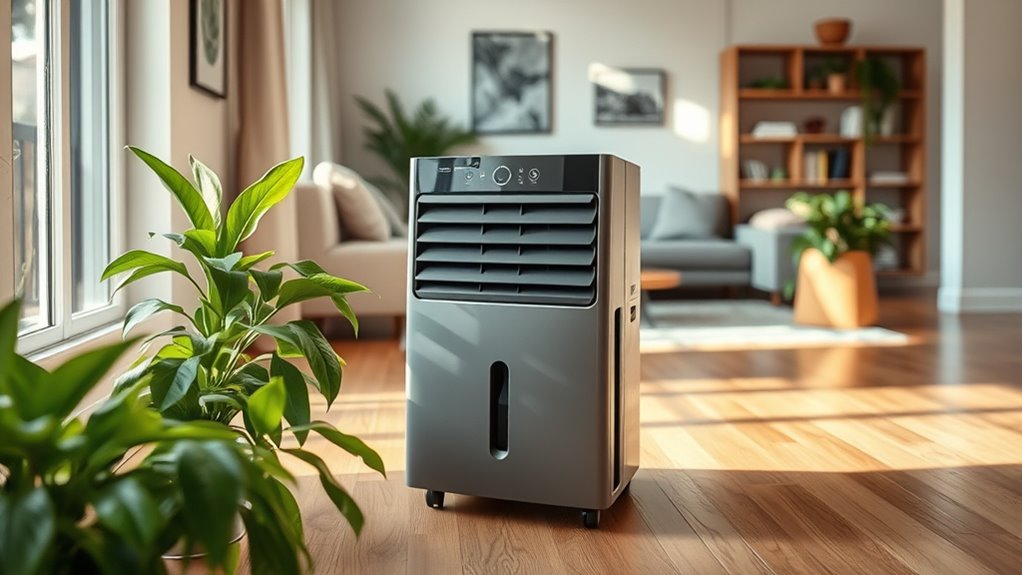
When humidity levels rise, you might find yourself grappling with dampness and discomfort in your home. This is where a dehumidifier comes in handy. Choosing the right one can make a significant difference in your indoor air quality and overall comfort. Start by determining the size of the area you need to dehumidify. You’ll want a unit that can handle the square footage effectively. Measure your space and select a dehumidifier that matches its capacity. Most manufacturers provide a guide, helping you identify the right model based on the size of your room.
Next, consider the water removal capacity. This is typically measured in pints per day. If your area is particularly damp or has a history of moisture issues, opt for a unit with a higher capacity. This guarantees it can efficiently handle excess humidity, enhancing your home’s comfort. Additionally, factor in energy efficiency. Look for models that have an Energy Star rating. These units consume less electricity while still effectively reducing humidity levels, which can translate to lower utility bills.
Another essential aspect to think about is noise levels. Most dehumidifiers generate some noise during operation, but this can vary considerably among models. If you plan to use the dehumidifier in a bedroom or a quiet space, you’ll likely want to choose a quieter model. Check customer reviews or product specifications for noise ratings, as this can help you avoid units that might disrupt your peace and quiet.
Portability is another factor worth considering. If you’ll need to move the dehumidifier between rooms, look for one with built-in wheels or a lightweight design. This can save you a lot of hassle and make it easier to maintain ideal humidity levels throughout your home. Some models even come with a continuous drainage option, allowing you to hook up a hose for hassle-free operation.
Finally, think about the features that matter most to you. Some dehumidifiers include built-in humidistats, timers, and auto-restart functions, which add to their convenience. By taking these factors into account, you can choose a dehumidifier that not only meets your needs but also enhances your living environment. With the right unit, you’ll enjoy a more comfortable and healthier home. Remember, a well-chosen dehumidifier can contribute significantly to creating a sanctuary of pure air by reducing excess moisture and preventing mold growth.

DGUAM 5000 Sq. Ft Dehumidifier, Max 95 Pint/Day Dehumidifier for Basement & Home, Compressor Dehumidifier with Drain Hose, Smart Humidity Control, Energy Efficient & Quiet for Bedroom, Large Rooms
【From Damp to Comfortable – 95 Pints/day Powerful Dehumidifier for Basement, Home & Large Rooms】: This dehumidifier for…
As an affiliate, we earn on qualifying purchases.
As an affiliate, we earn on qualifying purchases.
Frequently Asked Questions
How Does Humidity Affect Indoor Air Quality?
Humidity considerably affects indoor air quality by influencing moisture levels in your environment. High humidity can lead to the growth of airborne mold, which poses health risks and can worsen allergies or asthma. When humidity levels rise, it creates an ideal breeding ground for these allergens. Conversely, low humidity can cause discomfort and respiratory issues. Keeping a balance is essential for maintaining a healthy indoor atmosphere, ensuring you breathe easier and feel more comfortable.
Can a Dehumidifier Reduce Allergens in the Air?
Yes, a dehumidifier can considerably reduce allergens in the air. By lowering humidity levels, it helps prevent the growth of mold spores, which can trigger allergic reactions. You’ll notice fewer airborne allergens like dust mites and mold, improving your indoor air quality. Keeping your space dry means you can breathe easier and enjoy a healthier environment. Regular use of a dehumidifier can make a noticeable difference in your home’s air.
Is It Safe to Run a Dehumidifier Continuously?
Yes, it’s generally safe to run a dehumidifier continuously, but you should take some safety precautions. Monitor its energy consumption, as running it all day can increase your electricity bill. make certain your unit has an auto shut-off feature to prevent overflows. Regularly clean the filter and check for any signs of wear. By following these steps, you can enjoy a comfortable environment without compromising safety or efficiency.
What Maintenance Is Required for a Dehumidifier?
To keep your dehumidifier running efficiently, you’ll need to perform regular maintenance. Start with filter cleaning; check the filter every month and clean or replace it as needed. This helps maintain airflow and efficiency. Don’t forget drain maintenance too; ensure the drain hose isn’t clogged and empty the water collection bucket if your model doesn’t have a continuous drain option. Following these steps keeps your dehumidifier in top shape and extends its lifespan.
How Loud Are Most Dehumidifiers During Operation?
Most dehumidifiers operate between 30 to 50 decibels, which is roughly as loud as a quiet library or normal conversation. That said, some models can be as quiet as 30 decibels, perfect for nighttime use. If you’re sensitive to noise levels, look for units with lower decibel ratings. You want a dehumidifier that effectively reduces humidity without disrupting your peace, making your space more comfortable without the constant hum.
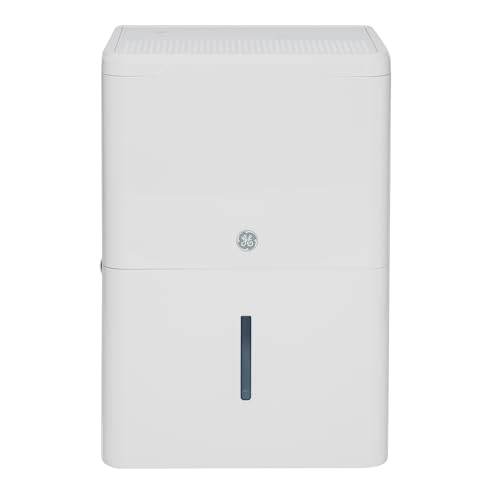
GE Portable Dehumidifier, 50 Pint Daily Output with Built-in Pump and Smart Dry for Wet Spaces Auto or Manual Drainage, Ultra Quiet, Perfect for Basement, Bedroom, Bathrooms, White
Effectively removes up to 50 pints of moisture daily, perfect for basements, garages, and high-humidity spaces.
As an affiliate, we earn on qualifying purchases.
As an affiliate, we earn on qualifying purchases.
Conclusion
In the end, picking the right dehumidifier can make all the difference in your comfort and health. Think of it as finding that perfect mixtape for your life—one that keeps the humidity in check and creates a cozy atmosphere. You want a machine that suits your space and needs, helping you breathe easier and enjoy your home. So go ahead, make that choice, and enjoy the fresh, dry air just like you did on those carefree summer days.

KNKA 1600 sq.ft Dehumidifier for Basement, 21 Pint Dehumidifiers for Home with Drain Hose, Continuous Drainage, Washable Filter, Intelligent Humidistat for Bedroom, Bathroom, Large Room
High-efficiency dehumidifier for 1,600 Sq. Ft – The KNKA basement dehumidifier removes up to 21 pints of moisture…
As an affiliate, we earn on qualifying purchases.
As an affiliate, we earn on qualifying purchases.
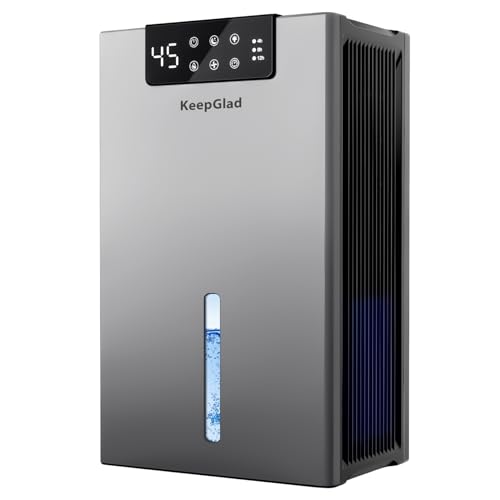
KeepGlad Dehumidifier, 98OZ Dehumidifiers for Home(1000sq.ft), Humidity Display Dehumidifier for Basement Bathroom Bedroom, Auto Shut Off, Washable Filter, Drain Hose, Timer, 7 Ambient Lights, Gray
【High Efficient Dehumidification & Digital Controls】Equipped with dual semiconductor design, KeepGlad dehumidifier removes up to 40 OZ of…
As an affiliate, we earn on qualifying purchases.
As an affiliate, we earn on qualifying purchases.