Yes, HEPA filters can effectively remove viruses and bacteria from the air. They capture at least 99.97% of particles that are 0.3 microns or larger, which includes many respiratory droplets containing pathogens. This helps improve indoor air quality and reduces the risk of disease transmission. For allergy and asthma sufferers, these filters can provide significant relief by reducing airborne allergens. Want to know more about maximizing air quality in your space?

Get kitchen gear delivered free — and shop member deals
- Fast, free delivery on millions of items
- Access to Prime Big Deal Days deals on October 6–7
- Prime Video, Amazon Music and more included
Key Takeaways
- HEPA filters capture at least 99.97% of airborne particles that are 0.3 microns or larger, including many bacteria and viruses.
- Many viruses are contained within respiratory droplets larger than 0.3 microns, making them effectively removable by HEPA filters.
- Regular use of HEPA filters significantly reduces the inhalation of harmful germs, lowering the risk of disease transmission.
- HEPA filtration contributes to improved indoor air quality, benefiting allergy and asthma sufferers by reducing airborne allergens.
- For optimal performance, HEPA filters require regular maintenance and timely replacement to ensure continued effectiveness against pathogens.
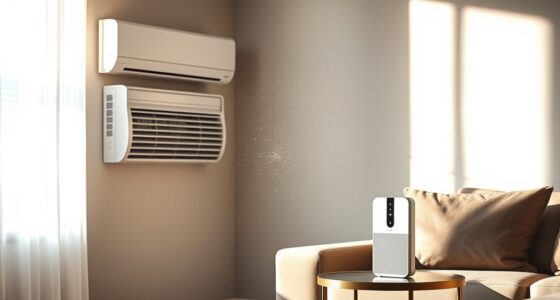
When you breathe in the air around you, don’t you want it to be clean and free of harmful particles? The air we share can often harbor a mix of airborne pathogens, allergens, and pollutants that can affect your health. That’s where HEPA filtration comes into play. High-Efficiency Particulate Air (HEPA) filters are designed to capture a considerable percentage of particles, including dust, pollen, and even some microorganisms like bacteria and viruses.
Breathe easy with HEPA filters, designed to capture harmful airborne particles and improve your health.
You might wonder how effective these filters really are against viruses and bacteria. Well, HEPA filtration systems can trap at least 99.97% of particles that are 0.3 microns in diameter and larger. This includes a wide range of airborne pathogens. While some viruses are smaller than 0.3 microns, they often travel within larger particles, such as respiratory droplets. So, when you use a HEPA filter, you’re not just filtering air; you’re also reducing the risk of inhaling these harmful germs.
If you have allergies or asthma, installing a HEPA filter can make a noticeable difference in your indoor air quality. You’ll find that these filters help reduce the presence of allergens, which can lead to fewer flare-ups and a better quality of life. In homes, offices, and other spaces, HEPA filters can considerably lower the number of airborne pathogens circulating around, making the environment safer for everyone.
You should also consider how often you change your HEPA filters. Regular maintenance guarantees that the filters continue to work effectively. If you let them become clogged, they won’t perform as well, reducing the benefits you expect. So make it a habit to check and replace your filters as recommended.
In addition to installing HEPA filters, remember that they work best as part of an all-encompassing approach to air purification. Combining HEPA filtration with proper ventilation and humidity control, and regular cleaning can create a healthier living environment.
HEPA air purifier for viruses and bacteria
As an affiliate, we earn on qualifying purchases.
As an affiliate, we earn on qualifying purchases.
Frequently Asked Questions
How Often Should I Replace My HEPA Filter?
You should replace your HEPA filter every 6 to 12 months, depending on its filter lifespan and the environment. If you have pets or live in a dusty area, you might need to change it more frequently. Regularly checking the filter for dirt and wear can help you stay on top of replacement frequency. Keeping your filter fresh guarantees your air purifier works effectively, improving air quality in your home.
Can HEPA Filters Help With Allergies?
Absolutely, HEPA filters can help with allergies! Imagine a shield against airborne allergens, like a knight guarding you from harmful foes. Their filter efficiency captures dust, pollen, and pet dander, creating a cleaner environment. By trapping these irritants, you’ll breathe easier and reduce allergy symptoms. Just make sure to replace your filter regularly to maintain its effectiveness, and you’ll feel the difference in your daily life.
Are All HEPA Filters the Same?
No, not all HEPA filters are the same. You’ll find variations in filter efficiency and material durability. Some filters capture smaller particles better than others, which can impact their performance. The materials used also affect how long the filter lasts and how well it maintains its efficiency over time. When choosing a HEPA filter, consider these factors to guarantee you’re getting the best option for your needs.
Do HEPA Filters Produce Ozone?
No, most HEPA filters don’t produce ozone. Imagine breathing in fresh, clean air without the worry of harmful chemicals lingering around. You want filter safety, and HEPA filters excel at trapping particles like dust and allergens without generating ozone. Some air purifiers, though, might emit ozone during operation, but it’s not the case with standard HEPA filters. So, rest assured, you’re getting clean air without the ozone concerns.
Can I Wash and Reuse a HEPA Filter?
You can’t wash and reuse a HEPA filter. Doing so can damage the filter and reduce its effectiveness. Instead, focus on proper filter maintenance by replacing it according to the manufacturer’s guidelines. If you’re looking to extend its life, consider using pre-filters or following specific reuse procedures recommended for your model. Always check for any signs of wear or damage before deciding to keep using it.
HEPA filter replacement for air purifier
As an affiliate, we earn on qualifying purchases.
As an affiliate, we earn on qualifying purchases.
Conclusion
In summary, you’ll find that HEPA filters are surprisingly effective at capturing viruses and bacteria, often exceeding expectations. Imagine walking into a room where the air feels fresher, and you realize it’s not just a coincidence; it’s the power of HEPA technology at work. With their ability to trap tiny particles, these filters offer you peace of mind, making your space healthier and safer. So, investing in a HEPA filter might just be the smartest choice you make!
air purifier with HEPA filter for allergies
As an affiliate, we earn on qualifying purchases.
As an affiliate, we earn on qualifying purchases.
As an affiliate, we earn on qualifying purchases.
Fall Picks
fall essentials
As an affiliate, we earn on qualifying purchases.