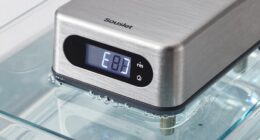
To clean your humidifier and prevent mold and bacteria, unplug it first and disassemble the unit. Rinse the water tank with warm water and use a vinegar solution to deep clean it. Wipe down the base, paying attention to crevices, and then rinse and dry all parts thoroughly. Test your water quality regularly and consider using distilled water to reduce buildup. Keeping up with this routine helps maintain a healthy environment, and there’s more you can explore on this topic.
Key Takeaways
- Unplug and disassemble the humidifier, ensuring to remove the water tank and base for thorough cleaning.
- Clean the water tank with a vinegar and water solution to eliminate bacteria and mold.
- Wipe down the base and crevices using the same vinegar solution to remove grime and prevent buildup.
- Use distilled or filtered water to reduce mineral deposits, which can contribute to mold growth.
- Establish a weekly cleaning routine to maintain the humidifier and ensure it operates efficiently.

Cleaning your humidifier is vital for maintaining a healthy environment in your home, especially during dry seasons. When you neglect this task, you risk creating a breeding ground for mold and bacteria, which can negatively impact your health. To keep your humidifier functioning effectively and your air clean, you should establish a regular cleaning routine.
Start by unplugging your humidifier and disassembling it according to the manufacturer’s instructions. Remove the water tank and the base, and don’t forget to check the air filter. Air filter maintenance is essential; if your model has a replaceable filter, make sure to check it regularly and replace it as needed. A clogged filter can hinder performance and lead to poor air quality.
Unplug and disassemble your humidifier, checking the air filter regularly to ensure optimal performance and air quality.
Next, focus on the water tank. Empty any remaining water and rinse it out with warm water. For deeper cleaning, mix a solution of equal parts white vinegar and water. This natural disinfectant not only helps remove mineral buildup but also kills bacteria and mold. Fill the tank with the solution and let it sit for about 30 minutes. During this time, give the base a good wipe-down with the same vinegar solution. Don’t forget to pay attention to any crevices or hard-to-reach spots where grime can accumulate.
After soaking, rinse both the tank and base thoroughly with clean water to remove any vinegar residue. It’s vital to ensure all the cleaning solution is washed away, as lingering vinegar can affect the humidity output. Once you’ve rinsed everything, dry the components with a clean towel. Allow them to air dry completely before reassembling your humidifier.
Don’t overlook water quality testing, particularly if you use tap water in your humidifier. Tap water can contain minerals that might lead to buildup inside the device. If you notice that your humidifier is producing white dust or if it’s not working efficiently, consider using distilled or filtered water instead. This simple change can greatly extend the life of your humidifier and improve the air quality in your home.
Additionally, it’s essential to discover trusted businesses and services that specialize in humidifier maintenance if you need professional assistance. Finally, make it a habit to clean your humidifier at least once a week during heavy use periods. Keeping to this schedule will help prevent any unwanted buildup and guarantee that you’re breathing clean, healthy air. With proper care, your humidifier can be a valuable tool in maintaining a comfortable living environment.
Frequently Asked Questions
How Often Should I Clean My Humidifier?
You should clean your humidifier at least once a week to maintain its efficiency and prevent any buildup. If you use it daily, consider a cleaning schedule that includes changing the water every day and a deeper clean weekly. Frequency tips suggest that during heavy use or in humid conditions, check it more often. Regular maintenance guarantees you’re breathing clean air and keeps your humidifier running smoothly. Don’t skip those cleaning sessions!
Can I Use Vinegar Instead of Bleach for Cleaning?
Using vinegar for cleaning is like using a gentle breeze to clear out the cobwebs. Yes, you can absolutely use vinegar instead of bleach. Vinegar cleaning is an effective and natural option that helps eliminate mold and bacteria without the harsh chemicals found in bleach. Just mix equal parts of vinegar and water, let it sit, and then rinse thoroughly. It’s a safe bleach alternative that keeps your humidifier fresh and functioning well!
What Type of Water Is Best for My Humidifier?
For your humidifier, distilled water’s the best choice. It’s free from minerals and impurities found in tap water, which can lead to buildup and bacteria growth. If your tap water quality is poor or hard, using it can create issues like white dust or clogging. By opting for distilled water, you’ll guarantee your humidifier runs efficiently and maintains a healthier environment in your home. So, keep it simple and stick with distilled!
Is It Safe to Use Essential Oils in Humidifiers?
It’s not always safe to use essential oils in humidifiers. Many humidifiers aren’t designed for them, and the oils can harm certain materials, leading to leaks or malfunctions. If you want to use essential oils, check your humidifier’s manual for compatibility. Some models are specifically made for essential oil use and can safely diffuse them. Always prioritize essential oil safety to ensure you’re not harming your humidifier or your health.
What Symptoms Indicate Mold or Bacteria in My Humidifier?
If you’re noticing a musty mold smell or seeing unusual buildup in your humidifier, those are clear signs of mold or bacteria. Research shows that nearly 50% of humidifiers harbor harmful microorganisms. You might also experience respiratory issues, increased allergy symptoms, or skin irritations when using a contaminated humidifier. Pay close attention to any changes in air quality or your health, and take action to clean it before it worsens.
Conclusion
By keeping your humidifier clean, you’re not just maintaining a device; you’re nurturing a gust of fresh air in your home. Think of it as tending to a garden—regular care prevents weeds of mold and bacteria from taking root. With each cleaning session, you’re cultivating a sanctuary of health and comfort, allowing the gentle mist to flow freely, bringing life and energy into your space. So, roll up your sleeves and give your humidifier the love it deserves!