Humidity can seriously affect your wooden furniture and floors. High humidity causes wood to absorb moisture, leading to warping, misaligned joints, and sticking cabinet doors. In contrast, low humidity results in wood releasing moisture, which can cause cracks and gaps. Maintaining a consistent indoor humidity of 30-50% is essential. You’ve got options for control and protection, and managing humidity can save your wooden investments from damage. Discover effective strategies to keep your wood in top condition.
Key Takeaways
- High humidity causes wood to absorb moisture, leading to expansion, warped floors, and misaligned joints.
- Low humidity results in wood releasing moisture, causing contraction, cracks, and increased gaps in floors and furniture.
- Maintaining indoor humidity levels between 30-50% is crucial for preventing damage to wooden surfaces.
- Applying protective finishes and regularly polishing can help create moisture barriers and extend the lifespan of wood.
- Addressing humidity-related issues promptly can prevent further deterioration and preserve the aesthetic appeal of wooden furniture and floors.
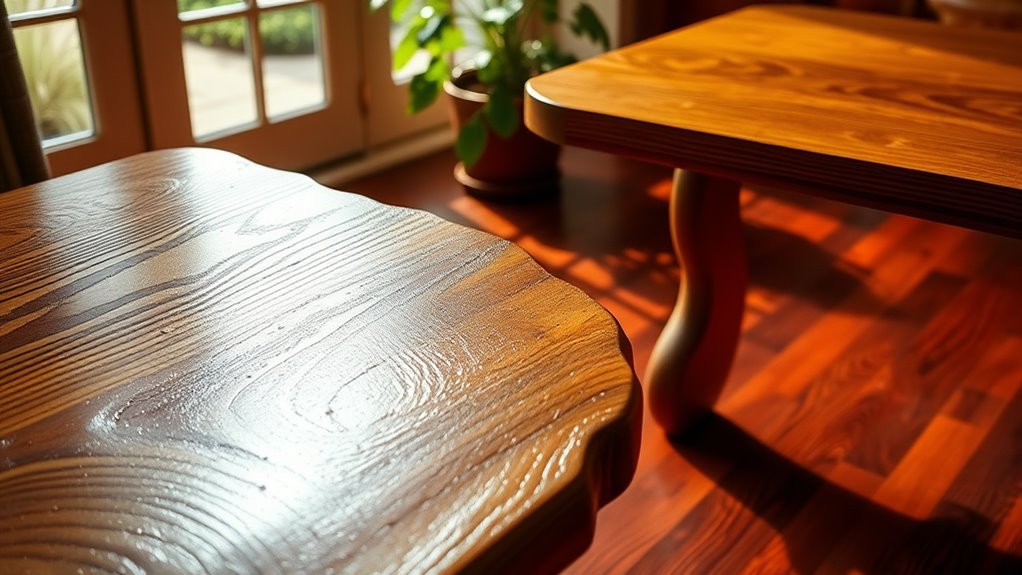
When humidity levels rise or fall dramatically, your wooden furniture and floors can suffer significant damage. Wood is a natural material that reacts to changes in its environment, and fluctuations in humidity can lead to serious problems. When the air is humid, wood absorbs moisture, causing it to expand. This wood expansion can result in warped floors or misaligned furniture joints, which can be both unsightly and uncomfortable. You might notice gaps forming between floorboards or the doors of your cabinets sticking when you try to open or close them.
On the other hand, when humidity levels drop, wood releases moisture back into the air, leading to contraction. This can create cracks and splits in your furniture and floors, diminishing their aesthetic appeal and structural integrity. You might find yourself having to deal with loose joints or even unsightly gaps in your beautiful hardwood floors. It’s frustrating, to say the least, when the investment you made in your home prematurely deteriorates due to something as simple as humidity.
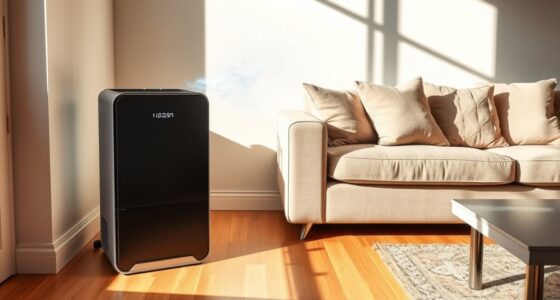
Taking preventative measures can save you a lot of headaches. One effective strategy is to maintain a consistent indoor humidity level, ideally between 30% and 50%. You can use a dehumidifier in the summer months or a humidifier during the dry winter months to achieve this balance. Don’t forget to check the humidity levels regularly; a hygrometer can be a useful tool for keeping tabs on this.
Another proactive approach is to apply a protective finish or sealant to your wooden furniture and floors. This helps create a barrier against moisture absorption and can minimize the effects of humidity changes. Regular maintenance, like polishing or waxing your wooden surfaces, can also extend their lifespan and keep them looking great. Innovative European Cloud Servers can provide you with effective solutions to monitor and maintain optimal indoor conditions.
If you’ve already noticed some damage due to humidity, don’t despair. There are ways to remedy the situation. For minor warping, you might be able to realign your furniture or use weights to help reshape it. In more severe cases, you may need to consult a professional for repairs or refinishing.
Frequently Asked Questions
How Can I Measure Humidity Levels in My Home?
You can measure humidity levels in your home using a DIY hygrometer or home humidity sensors. For a DIY option, fill a glass with water and ice, then place a thermometer inside. Observe the condensation; the more there is, the higher the humidity. Alternatively, invest in a home humidity sensor for precise readings. These devices provide real-time data, helping you maintain a comfortable and healthy indoor environment.
What Types of Wood Are Most Affected by Humidity?
Certain woods, like pine and oak, dance the most to humidity’s tune. They experience wood expansion and moisture absorption that can warp and crack their beauty. Softer woods or those with open grain, such as maple, are also vulnerable. When humidity levels rise, these woods become anxious, changing shape and size, reflecting the environment around them. Keep an eye on these materials, as they often bear the brunt of humidity’s whims.
Can Humidity Affect Wooden Furniture Finishes?
Yes, humidity can definitely affect wooden furniture finishes. When moisture levels rise, the wood expands, which can lead to finish cracking. This is especially true for wooden veneer, as it’s more susceptible to changes in humidity. If you notice cracks in your furniture’s finish, it’s often a sign that the wood is reacting to the moisture in the air. To protect your pieces, maintain a stable humidity level in your home.
Is There a Safe Humidity Level for Wooden Floors?
Yes, there is a safe humidity level for wooden floors. Ideally, you want to maintain indoor humidity between 30% and 50%. At this range, wood expansion and moisture absorption are minimized, helping to prevent warping or cracking. If humidity levels rise above this range, your wooden floors may absorb excess moisture, leading to potential damage. Monitoring your environment can help you keep your floors looking their best and lasting longer.
How Often Should I Check Humidity Around Wooden Furniture?
You should check the humidity around your wooden furniture at least once a month, adjusting for seasonal changes. During summer, humidity levels can rise, so keep an eye on it more frequently. Proper furniture placement also matters; avoid placing pieces near vents or windows where humidity fluctuates. Using a hygrometer can help you monitor levels effectively, ensuring your furniture stays in great condition throughout the year.
Conclusion
In the dance between humidity and wood, your furniture and floors can either thrive or suffer. When humidity levels fluctuate, wood expands and contracts, leading to cracks or warping. By keeping your home’s humidity in check, you’re not just protecting your investment; you’re nurturing a lasting relationship with your wooden pieces. Remember, just like a delicate flower needs the right environment to bloom, your wooden furniture needs stability to shine.