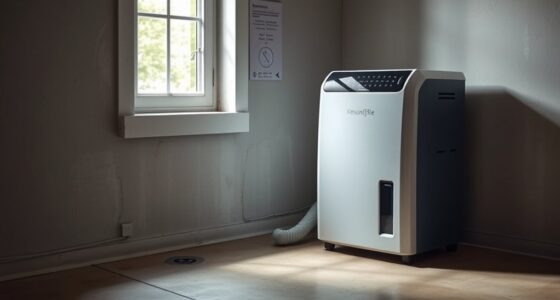
To properly size an AC unit for your room, start by measuring the space in square feet and multiply that by 20 to find the required BTUs. For instance, a 300 sq ft room needs about 6,000 BTUs. Don’t forget to contemplate factors like insulation, the number of windows, and additional heat from occupants, which can increase your BTU needs. There’s more to it—let’s explore how to fine-tune your selection for maximum efficiency.

Get kitchen gear delivered free — and shop member deals
- Fast, free delivery on millions of items
- Access to Prime Big Deal Days deals on October 6–7
- Prime Video, Amazon Music and more included
Key Takeaways
- Calculate the necessary BTUs by multiplying the room size in square feet by 20.
- Adjust BTU needs for large windows, adding about 10% for sunlight exposure.
- Account for additional occupants, adding approximately 600 BTUs per person.
- Consider room insulation quality and the number of doors and windows when sizing.
- Choose energy-efficient units with high EER or SEER ratings for cost savings.
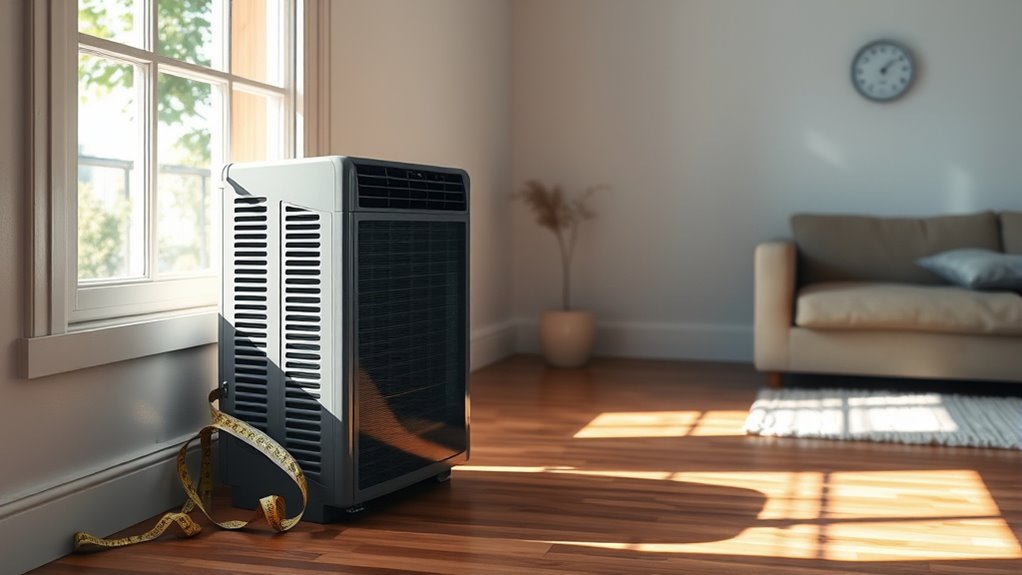
When you’re trying to keep your space cool, choosing the right size air conditioning unit is indispensable. An air conditioner that’s too small won’t cool your room effectively, while one that’s too large can waste energy and lead to higher utility bills. To find the perfect fit, you’ll need to consider the British Thermal Units (BTUs) required for your space. This measurement indicates how much heat an AC unit can remove from a room per hour. Generally, a standard guideline is that you’ll need about 20 BTUs for each square foot of living space. So, if you have a 300-square-foot room, you’ll likely need around 6,000 BTUs.
Choosing the right size air conditioning unit is crucial for effective cooling and energy efficiency.
Besides the size of the room, other factors play a role in determining the right BTU rating. Think about the number of windows and doors, the room’s insulation, and even the number of occupants. If your room has large windows that let in a lot of sunlight, you might want to increase the BTU capacity by around 10%. Similarly, if you plan on having extra people in the space, you should add about 600 BTUs for each additional occupant. This will help guarantee that your air conditioning unit runs efficiently and keeps you comfortable.
Energy efficiency is another essential aspect to consider when sizing your AC. Look for units with a high Energy Efficiency Ratio (EER) or Seasonal Energy Efficiency Ratio (SEER). These ratings indicate how effectively the unit uses electricity to cool the air. Opting for an energy-efficient model not only helps your pocketbook but also minimizes your environmental impact. Additionally, choosing a sustainable cloud solution can further enhance your overall energy efficiency by reducing your reliance on traditional power sources.
Once you’ve determined the right size and efficiency rating, installation is the next step. Many people prefer professional installation, but if you’re considering a DIY approach, here are some installation tips to keep in mind. Make sure to position the unit where it can circulate air freely and is unobstructed by furniture or curtains. Proper insulation around the unit is indispensable to prevent cool air from escaping and warm air from entering.
Finally, don’t forget to maintain your AC regularly. Clean or replace the filters every month, and check for any dust accumulation on the coils. Keeping your air conditioning unit in good shape will guarantee it operates efficiently, providing you with the comfort you need during those hot summer days.
As an affiliate, we earn on qualifying purchases.
Frequently Asked Questions
What Is the Ideal Temperature Setting for My AC Unit?
The ideal temperature setting for your AC unit is around 75°F to 78°F. This range balances comfort and energy efficiency, helping you save on utility bills. If you’re looking to reduce noise levels, setting it slightly higher can minimize the unit’s workload, making it quieter. Remember, adjusting the temperature a few degrees can make a big difference in both comfort and efficiency, so find what works best for you!
How Often Should I Clean My AC Filters?
You should clean your AC filters every month during peak usage to guarantee ideal performance. Imagine breathing in fresh, clean air instead of stuffy, dusty particles; that’s what a clean filter offers. Neglecting air filter replacement can lead to poor indoor air quality and strain on your unit. Regular maintenance not only enhances your comfort but also extends your AC’s lifespan. Keep that air flowing and your environment healthy with routine filter care!
Can I Use a Larger Unit Than Recommended?
You can use a larger AC unit than recommended, but it’s not ideal. A bigger unit might cool your space quickly, but it can lead to lower unit efficiency and higher energy bills. Plus, it may create uncomfortable noise levels and reduce humidity control. Instead, aim for the right size to make certain of the right fit to ensure balanced cooling and comfort in your room. Proper sizing helps your unit run efficiently and keeps your environment pleasant.
What Are the Signs My AC Unit Is Too Small?
If your AC unit’s too small, you’ll notice it struggling to cool your space, leaving you sweating in the summer heat. You might also see rising energy bills, which signals poor energy efficiency. Additionally, listen for constant running and increased noise levels, indicating it’s working overtime. Remember, “a stitch in time saves nine” — addressing these signs early can prevent bigger issues down the road. Stay comfy and keep an eye on your unit!
How Do I Maintain My AC Unit for Longevity?
To maintain your AC unit for longevity, focus on regular maintenance tips. Clean or replace the air filter monthly to improve energy efficiency and airflow. Schedule professional inspections at least once a year to catch potential issues early. Keep the outdoor unit free from debris and ensure proper drainage. Adjust the thermostat wisely to prevent overworking the unit. By staying proactive, you’ll enhance performance and extend its lifespan considerably.
energy efficient portable AC unit
As an affiliate, we earn on qualifying purchases.
As an affiliate, we earn on qualifying purchases.
Conclusion
In summary, choosing the appropriate-sized AC unit can transform your room into a cool, comfy haven. By meticulously measuring your space and matching it with the right BTUs, you’ll enjoy a perfect blend of breezy bliss. Don’t overlook factors like sunlight and insulation; they play a pivotal role in your cooling quest. So, take these tips to heart, and you’ll be savoring serene summer days in your perfectly chilled sanctuary in no time!
high SEER split system air conditioner
As an affiliate, we earn on qualifying purchases.
As an affiliate, we earn on qualifying purchases.
As an affiliate, we earn on qualifying purchases.
Fall Picks
fall essentials
As an affiliate, we earn on qualifying purchases.