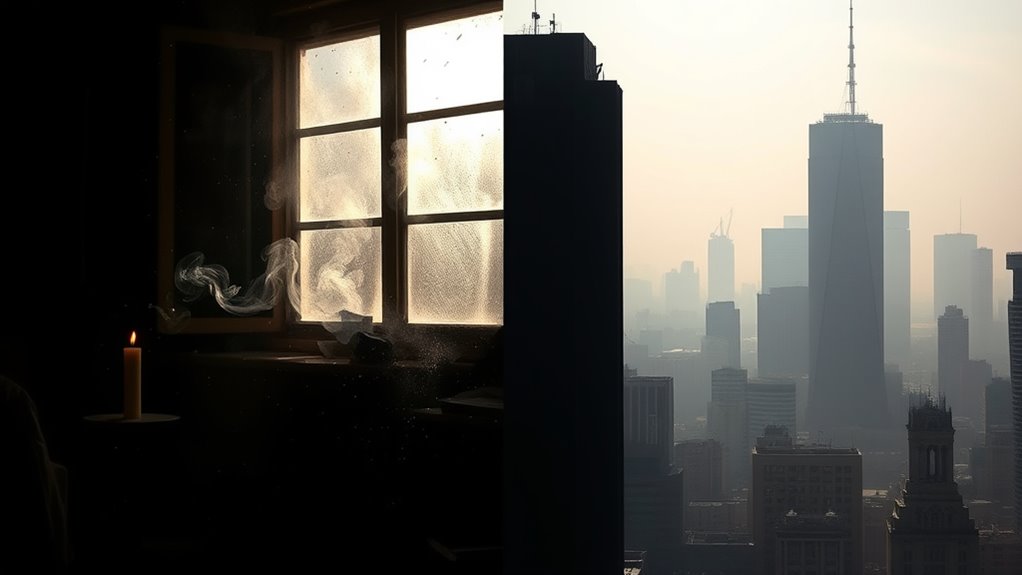

Indoor air pollution often poses a bigger threat to your health than outdoor pollution. Everyday activities like cooking and cleaning introduce harmful contaminants, while poor ventilation traps these pollutants inside. Household items, from furniture to cleaning products, can release chemicals that diminish air quality. Plus, outdoor pollutants can easily infiltrate indoor spaces. By improving ventilation and using air purifiers, you can combat this issue. Discover more about these sources and solutions to guarantee healthier air around you.
Key Takeaways
- Indoor air pollution can often exceed outdoor pollution levels due to household products and activities releasing harmful contaminants.
- Poor ventilation in homes exacerbates indoor air quality problems, trapping pollutants and allergens.
- Outdoor pollution from vehicles and industries can infiltrate indoor spaces, especially in urban areas or during high pollution days.
- Strategies like proper ventilation, air purifiers, and natural cleaning products can significantly improve indoor air quality.
- Awareness of both indoor and outdoor pollution sources is crucial for maintaining a healthy living environment.
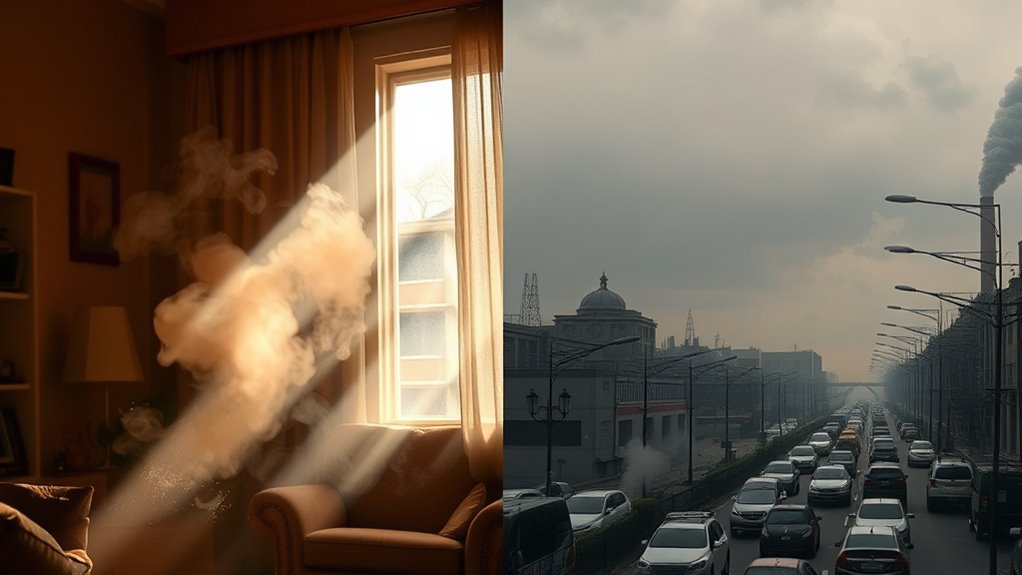
Air pollution isn’t just an outdoor problem; it’s also a substantial issue indoors. You might think that once you step inside your home, you’re safe from harmful pollutants, but that’s not always the case. Indoor air quality can often be worse than the air outside, especially when you consider the various sources of contamination right in your living space. Poor ventilation, household products, and even furniture can release volatile organic compounds (VOCs) that contribute to a decline in air quality.
Indoor air quality can be worse than outdoor pollution, with common household items contributing to harmful contaminants.
When it comes to indoor air pollution, many of the emission sources come from everyday activities. Cooking, cleaning, and even using personal care products can introduce harmful particles and chemicals into the air you breathe. If you’re using aerosol sprays or heavily scented products, you might unknowingly be compromising your indoor air quality. Additionally, dust, mold, and pet dander can accumulate over time, making your home a breeding ground for allergens. By ignoring these indoor sources, you might be exposing yourself to health risks without realizing it.
Outdoor emission sources also play a substantial role in indoor air quality. Pollutants from vehicles, industrial activities, and agricultural practices can seep into your home, particularly if you live in areas with high levels of outdoor pollution. Even if you keep your windows closed, fine particulate matter can find its way indoors. This is especially critical during certain times of the year when outdoor air quality deteriorates, such as during wildfires or smoggy days. Awareness of these external factors is essential for maintaining a healthy indoor environment.
To combat indoor air pollution, you can take several steps to improve your home’s air quality. Start by ensuring proper ventilation; open windows when possible and use exhaust fans to help circulate air. You might also consider investing in air purifiers equipped with HEPA filters to capture tiny particles. Regularly cleaning and decluttering your space can decrease the accumulation of dust and allergens. Additionally, opting for natural cleaning products can considerably reduce your exposure to harmful chemicals. Furthermore, understanding the significance of color accuracy in maintaining a healthy visual environment can also enhance your indoor experience.
Frequently Asked Questions
How Can I Reduce Indoor Air Pollution Effectively?
To reduce indoor air pollution effectively, you should implement ventilation strategies like opening windows and using exhaust fans. Regularly check your air quality monitoring devices to track levels of pollutants. Consider using air purifiers with HEPA filters to capture harmful particles. Keep your home clean by dusting and vacuuming frequently, and avoid using harsh chemicals for cleaning. Adding houseplants can also help improve air quality naturally, making your space healthier and fresher.
What Are Common Sources of Outdoor Air Pollution?
Common sources of outdoor air pollution include vehicle emissions and industrial pollution. When cars, trucks, and buses burn fuel, they release harmful gases like carbon monoxide and nitrogen oxides. Additionally, factories and power plants emit pollutants from their operations, contributing to smog and respiratory issues. You can help reduce outdoor air pollution by using public transportation, carpooling, or supporting cleaner energy initiatives, making a positive impact on your environment and health.
Are Children More Affected by Indoor Air Pollution?
Yes, children are more affected by indoor air pollution due to their developing lungs and higher breathing rates. Their exposure risks are greater because they spend more time indoors, where pollutants like dust, mold, and chemicals can accumulate. This can lead to serious health issues, including respiratory problems and allergies. By improving indoor air quality, you can help protect your child’s health and reduce these risks markedly.
Can Air Purifiers Improve Indoor Air Quality Significantly?
Imagine breathing in invigorating mountain air, free from pollutants. Using an air purifier can notably improve your indoor air quality, filtering out dust, allergens, and harmful particles. The effectiveness of air purifiers varies by model and room size, but many can reduce contaminants by up to 99%. With the right one, you’ll create a sanctuary that promotes better health and comfort, making your home feel like a breath of fresh atmosphere.
How Does Weather Impact Outdoor Air Pollution Levels?
Weather patterns play a vital role in outdoor air pollution levels. When you experience stagnant air during hot, sunny days, pollutants can accumulate, leading to smog. Seasonal variations also impact pollution; for instance, winter can increase heating emissions, while spring brings pollen that worsens air quality. Rain can temporarily cleanse the air, but dry, windy conditions often spread pollutants. Staying informed about weather forecasts can help you understand and manage outdoor air quality better.
Conclusion
As you breathe in, consider this: you might think outdoor air pollution is the bigger threat, but indoor air can be just as harmful—if not worse. Coincidentally, the air you spend the most time in is often laden with toxins from everyday products. So, whether you’re at home or out and about, stay vigilant. Invest in air purifiers and be mindful of what you bring indoors. After all, your health deserves the best air possible, no matter where you are!