TL;DR
A hiker successfully used a personal cooling device to prevent overheating during summer hikes. This firsthand account underscores the potential of wearable cooling technology for outdoor enthusiasts, especially in hot weather.
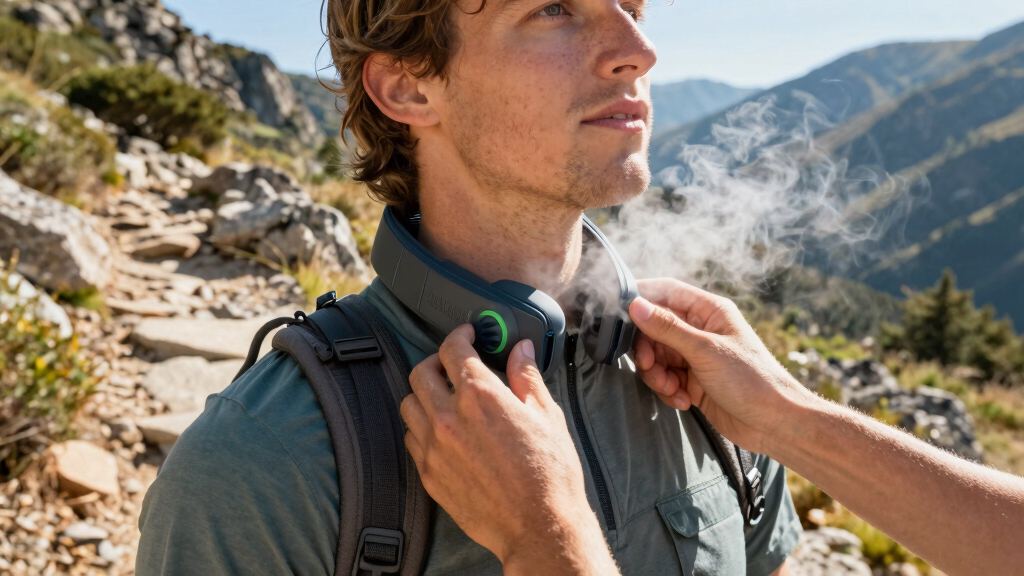
A hiker has reported that a personal cooling system effectively prevented overheating during recent summer hikes, marking a significant development in outdoor gear technology. This firsthand account highlights the potential for wearable cooling devices to improve safety and comfort for outdoor enthusiasts in hot weather conditions.

Get kitchen gear delivered free with Prime
- Fast, free delivery on millions of items
- Prime Video, Amazon Music and more included
- Member-only deals all year
The hiker, who prefers to remain anonymous, used a portable personal cooling device during multiple hikes in temperatures exceeding 90°F (32°C). According to their account, the device maintained a comfortable body temperature and prevented symptoms of heat exhaustion. The cooling system, which is worn around the neck or on the body, uses evaporative cooling or small fans to lower skin temperature.
Experts in outdoor gear and health say that personal cooling devices are gaining popularity, especially among hikers, runners, and outdoor workers. The hiker’s experience is among the first detailed reports highlighting the real-world effectiveness of such devices in extreme heat conditions, with some manufacturers claiming their products can reduce skin temperature by several degrees.
Potential Impact of Wearable Cooling Tech on Outdoor Safety
This account underscores the importance of personal cooling technology in outdoor safety, especially as heatwaves become more frequent due to climate change. If proven effective across broader populations, such devices could reduce heat-related illnesses and expand outdoor activity options for vulnerable groups, including older adults and outdoor workers.
Products Worth Considering

Weber Q 1200N Portable Propane Gas Grill, Sky Blue, 10,000 BTU

Traeger Tailgater 20 Portable Wood Pellet Grill & Smoker

Vitamix 5200 Blender with 64 oz Container, Black
As an affiliate, we earn on qualifying purchases.
Rise of Personal Cooling Devices in Outdoor Gear
Over the past few years, wearable cooling devices have entered the market, marketed as solutions for athletes, outdoor workers, and adventurers. While some products have been tested in controlled environments, real-world testimonials like this hiker’s provide valuable insight into their practical benefits. Experts note that heat-related illnesses are a growing concern, making innovations in personal cooling increasingly relevant.
“The cooling system kept me comfortable and alert even during the hottest parts of my hike. I felt safer and more energized.”
— the hiker
Limited Data on Long-Term Effectiveness and Safety
While the hiker’s report is promising, there is limited scientific data on the long-term effectiveness and safety of personal cooling devices during extended use or in extreme conditions. Further independent testing and clinical studies are needed to validate these claims and assess potential risks, such as skin irritation or device failure.
Further Research and Broader Testing of Cooling Devices
Researchers and outdoor gear companies are expected to conduct larger studies to evaluate the effectiveness of personal cooling systems across diverse populations and conditions. Additionally, manufacturers may refine device designs to enhance durability, comfort, and cooling efficiency. Outdoor enthusiasts are advised to follow safety guidelines and consult health professionals when using new gear.
Key Questions
How does the personal cooling system work?
The device typically uses evaporative cooling, small fans, or phase change materials to lower skin temperature, which helps prevent overheating during physical activity in hot weather.
Are personal cooling devices safe for extended use?
While generally considered safe, long-term safety data is limited. Users should follow manufacturer instructions and monitor for skin irritation or discomfort.
Can cooling devices replace traditional hydration and shade?
No. Cooling devices are supplementary tools and should be used alongside hydration, shade, and other heat safety measures.
Are these devices suitable for all outdoor activities?
They are most effective during moderate to high-intensity activities in hot conditions but may vary depending on device design and user needs.
When will more scientific studies be available?
Expect ongoing research over the next year, with results informing guidelines and product improvements for outdoor safety gear.
Source: rss