Downdraft cooktops are integrated into your countertop for a sleek, minimalist look, pulling smoke and odors downward directly through the surface. Hood-based setups are mounted above the stove, venting fumes upward and often serving as a visual focal point. Installing a downdraft can be more complex and may require professional help, while hoods are generally easier to set up. If you want to explore how these systems perform and which suits your kitchen better, keep exploring.

Get kitchen gear delivered free — and shop member deals
- Fast, free delivery on millions of items
- Access to Prime Big Deal Days deals on October 6–7
- Prime Video, Amazon Music and more included
Key Takeaways
- Downdraft cooktops are integrated into the countertop, offering a sleek, minimalist appearance, unlike protruding hood-based setups.
- They require precise installation and may involve complex ductwork, whereas traditional hoods are simpler to install.
- Downdraft systems pull air downward, which can be less effective during intense cooking, while hoods vent upward for better pollutant removal.
- Hood-based setups generally have more efficient airflow and lower energy consumption due to powerful fans and filters.
- Downdraft cooktops suit modern, space-constrained kitchens, while hoods are preferred for their proven effectiveness and easier installation.
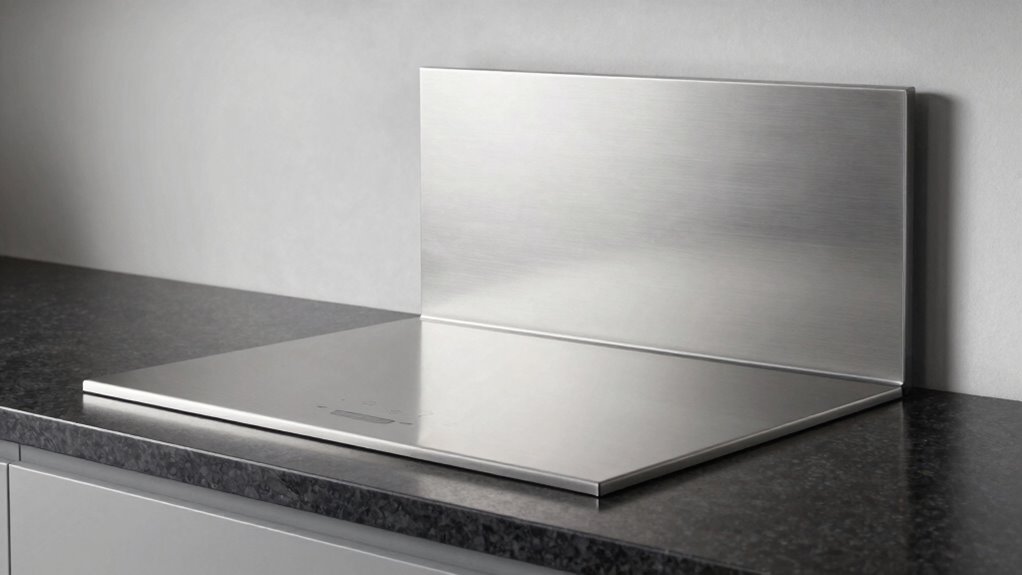
When choosing a ventilation system for your kitchen, you might wonder whether a downdraft cooktop or a traditional hood-based setup is the better option. Both serve the purpose of removing smoke, steam, and odors, but they do so in different ways that can impact your kitchen’s overall functionality and design. One key difference lies in their design and operation: downdraft cooktops are integrated directly into your stovetop, pulling air downward, while hood-based setups are mounted above your cooking surface, venting upward. This fundamental distinction affects not only how they work but also their energy efficiency and installation complexity.
Downdraft cooktops tend to be more discreet, fitting seamlessly into your countertop and offering a sleek, modern look. Because they are built into the cooktop itself, they don’t protrude into the kitchen space as much as traditional hoods do. However, this integration can make installation more complex. Installing a downdraft system often requires precise fitting and sometimes additional ductwork, especially if your kitchen layout isn’t already optimized for downdraft ventilation. The complexity of installation might mean higher upfront costs and the need for professional help, particularly if you’re retrofitting an existing kitchen.
Downdraft cooktops are sleek and discreet but may require complex installation and professional help.
In terms of energy efficiency, downdraft cooktops generally require more power to operate effectively. Since they pull air downward and often work in tandem with the cooktop’s burners, they can sometimes struggle to capture all smoke and odors, especially when cooking techniques produce a lot of steam or fumes. This can lead to increased energy use as the system works harder or as you might need to supplement with additional ventilation. Conversely, hood-based setups, especially those with high-quality filters and powerful fans, tend to be more effective at capturing airborne pollutants directly above the source. Their design allows for more efficient airflow, which can translate to lower energy consumption over time. Additionally, ventilation system design plays a crucial role in their effectiveness and efficiency.
Ultimately, your choice comes down to your kitchen’s layout, your aesthetic preferences, and your priorities regarding efficiency and installation. If you want a minimalist look and are prepared for a more involved installation, a downdraft cooktop might suit your needs. But if you prefer a straightforward installation with proven effectiveness in removing cooking fumes, a traditional hood setup could be the better choice. Both options have their advantages, but understanding how they differ in design, energy use, and installation complexity helps you make an informed decision tailored to your kitchen.
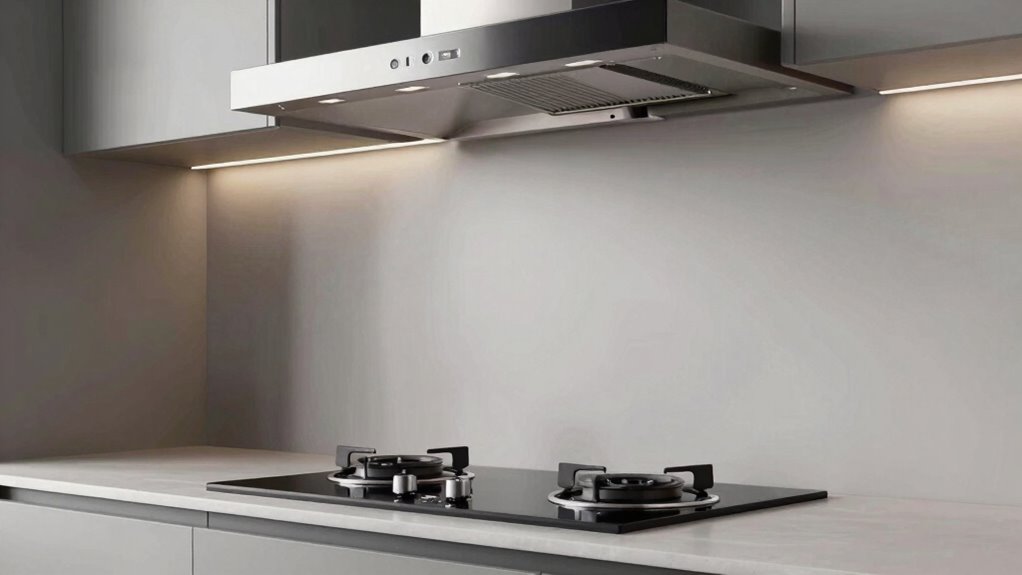
downdraft cooktop with integrated ventilation
As an affiliate, we earn on qualifying purchases.
As an affiliate, we earn on qualifying purchases.
Frequently Asked Questions
Are Downdraft Cooktops More Energy-Efficient Than Hoods?
Downdraft cooktops are generally more energy-efficient than hoods because they focus venting directly at the cooktop, reducing overall energy consumption. Their venting efficiency often matches or exceeds that of traditional hoods, especially when properly maintained. Plus, they eliminate the need for large, bulky hoods, saving space and energy. So, if you’re looking to cut down on energy use while maintaining good airflow, downdraft cooktops are a smart choice.
How Do Installation Costs Compare Between Downdraft and Hood Setups?
Back in the day, installing either setup was a real pain, and today’s still no different. You’ll find that downdraft cooktops generally have higher installation costs due to their complex setup and integration with ventilation systems. Hood-based setups tend to be simpler and cheaper to install because they require less extensive ductwork. So, when comparing costs, expect downdrafts to be a bit pricier both in installation complexity and overall expense.
Can Downdraft Systems Effectively Vent All Types of Cooking Fumes?
Downdraft systems can effectively vent most cooking fumes, especially in kitchens where space saving solutions matter. They pull fumes directly downward, minimizing smoke and odors. However, their efficiency may vary depending on the type of cooking and kitchen layout. For best results, guarantee proper installation and maintenance. While they blend seamlessly with modern kitchen aesthetics, for heavy fumes, a traditional hood might still be more effective.
Are Downdraft Cooktops Suitable for Professional Kitchens?
You might find downdraft cooktops less suitable for professional kitchens, where high-volume cooking demands robust ventilation. Their design works well with open kitchen layouts, offering a sleek, seamless look. However, their cooking versatility can be limited compared to traditional hoods, especially when handling intense fumes from heavy-duty appliances. If your kitchen thrives on speed and efficiency, consider whether a downdraft system can keep up with your professional culinary rhythm.
What Maintenance Is Required for Downdraft Versus Hood Systems?
You’ll need to regularly replace filters and clean the vents for both downdraft and hood systems. Downdraft cooktops often require filter replacement more frequently because of grease buildup, and vent cleaning ensures efficient airflow. Hood systems might need periodic duct cleaning if grease accumulates inside the ductwork. Consistent maintenance keeps both systems running smoothly, reduces fire hazards, and extends their lifespan.
best hood-based kitchen exhaust system
As an affiliate, we earn on qualifying purchases.
As an affiliate, we earn on qualifying purchases.
Conclusion
In the end, whether you choose a downdraft cooktop or a hood-based setup depends on your kitchen’s soul and your cooking passions. Like two sides of the same coin, each offers unique advantages, but only one will truly align with your lifestyle and space. So, consider what breathes life into your culinary journey—because, after all, your kitchen’s true magic lies in the choices you make, shaping the atmosphere where flavors and memories collide.
kitchen downdraft ventilation system
As an affiliate, we earn on qualifying purchases.
As an affiliate, we earn on qualifying purchases.
As an affiliate, we earn on qualifying purchases.
Fall Picks
fall essentials
As an affiliate, we earn on qualifying purchases.