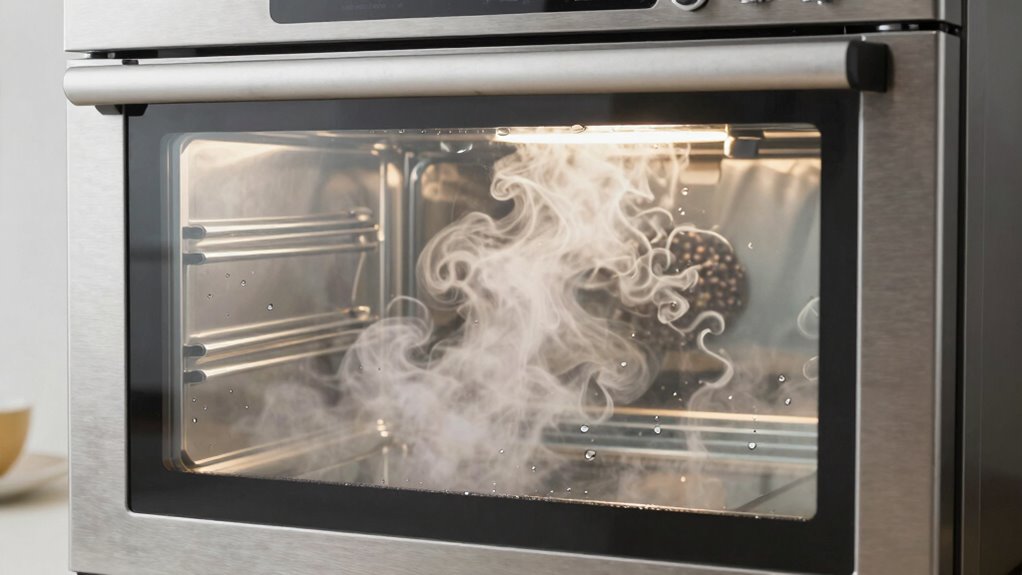

Steam ovens actively control moisture levels during cooking, which changes how your food develops flavor and texture. Unlike traditional ovens, they add and retain moisture, making dishes more tender, juicy, and visually appealing. This moisture locking prevents drying out and enhances even cooking, allowing you to achieve perfect results every time. By understanding how steam influences moisture, you can elevate your cooking skills and create more flavorful, textured dishes—if you keep exploring, you’ll discover even more.

Get kitchen gear delivered free — and shop member deals
- Fast, free delivery on millions of items
- Access to Prime Big Deal Days deals on October 6–7
- Prime Video, Amazon Music and more included
Key Takeaways
- Steam ovens actively add moisture, enhancing flavor and preventing surface drying during cooking.
- They maintain internal moisture, resulting in tender, juicy meats and vegetables.
- Moisture control allows for precise cooking, reducing time and preserving ingredient freshness.
- The added steam creates a glossy, appealing finish on baked goods and roasted dishes.
- Understanding moisture behavior in steam ovens enables better texture and flavor management.
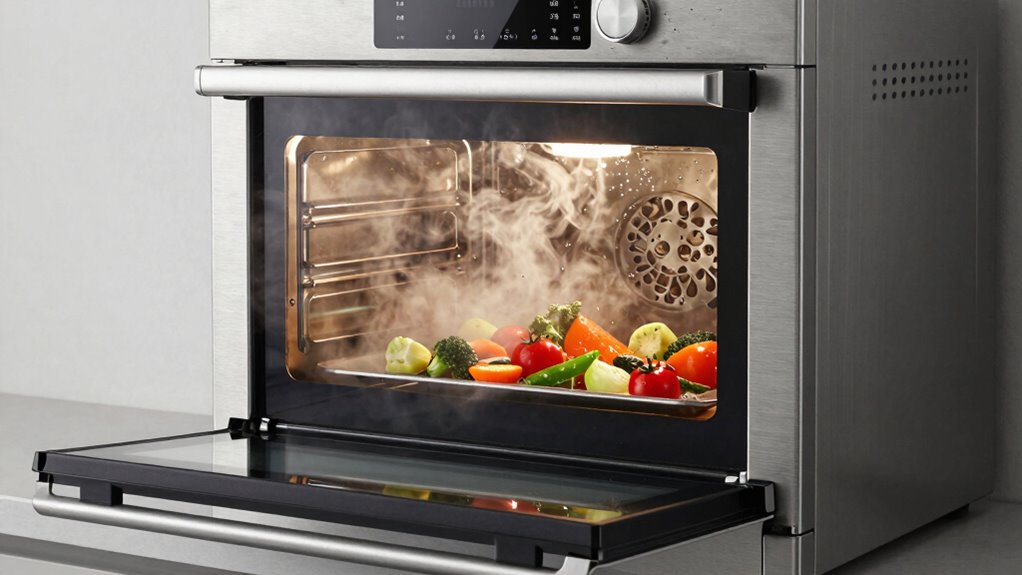
Steam ovens revolutionize cooking by actively adding moisture to your dishes, unlike traditional ovens that rely solely on dry heat. This fundamental difference changes how your food develops flavor and texture, making every meal more appealing and retaining its natural qualities. When you cook with a steam oven, you’re effectively locking in the essence of your ingredients, which means flavors stay vibrant and true to their original taste. Unlike conventional methods where heat can dry out the surface of food and diminish its natural juices, steam ensures that moisture is evenly distributed throughout the cooking process. This results in dishes that burst with flavor, as the steam penetrates deep into ingredients, preserving their freshness and enhancing their natural taste profiles.
Steam ovens lock in flavors and moisture, delivering tender, vibrant dishes with enhanced natural taste.
The presence of moisture in a steam oven also leads to significant texture transformation. Foods that might traditionally become tough or dry, such as poultry or vegetables, remain tender and succulent. As the steam surrounds each piece of food, it prevents dehydration and keeps the interior moist, leading to a more consistent and desirable texture. For baked goods, this moisture helps produce softer crumbs and a lighter crumb structure, elevating the quality of bread, cakes, and pastries. The steam also contributes to a glossy, appealing finish on items like bread crusts or roasted vegetables, giving them that desirable crispness without sacrificing moisture inside. Additionally, understanding moisture behavior in a steam oven can help you better control your cooking outcomes and adapt techniques for optimal results. Recognizing how moisture retention works in these appliances allows home chefs to fine-tune their cooking methods and achieve professional-quality results.
By regulating moisture levels, you gain greater flexibility in cooking techniques. You can gently steam delicate fish or vegetables without fear of overcooking or drying them out. The added moisture also shortens cooking times, so your meals stay fresh and vibrant without losing their essential qualities. Because flavor retention is enhanced, you spend less seasoning your dishes excessively, allowing the natural taste of your ingredients to shine through. The consistent environment inside a steam oven makes it easier to achieve perfect results, whether you’re preparing a moist soufflé or a tender roast. Mastering moisture control in a steam oven can significantly elevate your culinary skills and ensure consistent, high-quality dishes every time.
Understanding how moisture behaves in a steam oven can help you better control your cooking outcomes. In essence, steam ovens fundamentally change how moisture behaves in cooking. They help you preserve the integrity of your ingredients, resulting in dishes that are both flavorful and texturally superior. Instead of battling dryness or uneven cooking, you leverage moisture to transform your culinary outcomes. This shift not only improves the quality of your meals but also expands your cooking capabilities, allowing you to create dishes that are more nuanced, tender, and delicious—all thanks to the power of steam.
As an affiliate, we earn on qualifying purchases.
Frequently Asked Questions
Can Steam Ovens Replace Traditional Ovens Entirely?
Yes, a steam oven can replace a traditional oven entirely, thanks to its versatility. You can bake, roast, steam, and even reheat, making it a multifunctional appliance. Compared to traditional ovens, steam ovens excel at preserving moisture, reducing cooking times, and offering healthier results. However, for certain baking styles or large-scale cooking, a traditional oven might still be preferred. Overall, steam ovens are a powerful, adaptable alternative.
Do Steam Ovens Require Special Cleaning Routines?
You don’t need special cleaning routines for your steam oven, but proper maintenance is crucial. Regular cleaning frequency helps prevent mineral buildup and keeps it functioning efficiently. Use mild detergents, remove excess moisture, and wipe down seals and surfaces. While it’s straightforward, staying consistent with steam oven maintenance ensures maximum performance and longevity, making your cooking experience seamless without extra hassle or complex routines.
Are Steam Ovens Energy-Efficient Compared to Conventional Appliances?
Steam ovens are generally more energy-efficient than conventional appliances because they heat faster and use less energy to cook food evenly. When comparing appliances, you’ll find that steam ovens save energy through efficient heat transfer and moisture retention, reducing cooking time. This means you consume less power, helping you cut down on energy bills. Overall, opting for a steam oven is a smart choice for energy savings and better cooking performance.
Can Steam Ovens Be Used for Baking Desserts?
Yes, you can definitely use steam ovens for baking desserts. Curiously, desserts baked in steam ovens often develop a moist, tender texture, making them irresistibly soft and airy. The steam helps lock in moisture, enhancing the dessert’s overall texture and releasing a delightful sweet aroma as it bakes. This method is perfect for creating delicate cakes, puddings, and other sweet treats that benefit from even, gentle heat.
How Does Steam Cooking Affect Nutritional Content?
Steam cooking helps preserve nutrients by cooking food quickly and with minimal contact with water, preventing nutrient loss. It also enhances flavor, making dishes tastier without added fats or oils. When you use a steam oven, you’re likely to enjoy more vibrant vegetables and tender meats that retain their natural goodness. This method supports healthier eating by maintaining the nutritional integrity and rich flavors of your ingredients.
As an affiliate, we earn on qualifying purchases.
Conclusion
So, as you embrace the magic of steam ovens, remember that they don’t just cook—they transform. Like a gentle rain nourishing a seed, steam infuses your food with moisture, revealing flavors and tenderness you never knew possible. In this new world of cooking, moisture isn’t just a component; it’s the silent artist shaping each dish. Embrace this revolution, and let your culinary creations flourish—because with steam, every meal becomes a masterpiece waiting to be discovered.
As an affiliate, we earn on qualifying purchases.
As an affiliate, we earn on qualifying purchases.
Fall Picks
fall essentials
As an affiliate, we earn on qualifying purchases.