Your washer’s capacity number only shows the maximum weight it can hold, not how well it handles different fabrics, load types, or cleaning power. Overloading can reduce cleaning quality and strain the motor, while smaller machines might be more efficient for smaller loads. To make the best choice, consider how you typically wash and what features matter most. Keep going to discover more about choosing a washer that truly fits your needs.
Key Takeaways
- Capacity indicates maximum load weight but doesn’t reflect cleaning performance for different fabric types.
- Overloading can reduce cleaning effectiveness and strain the motor, regardless of capacity.
- Larger capacity machines may use more energy, especially if not energy-efficient or properly matched to loads.
- Capacity alone doesn’t account for how well the washer handles delicate or bulky items.
- Selecting a washer based solely on capacity may overlook features that improve efficiency and fabric care.
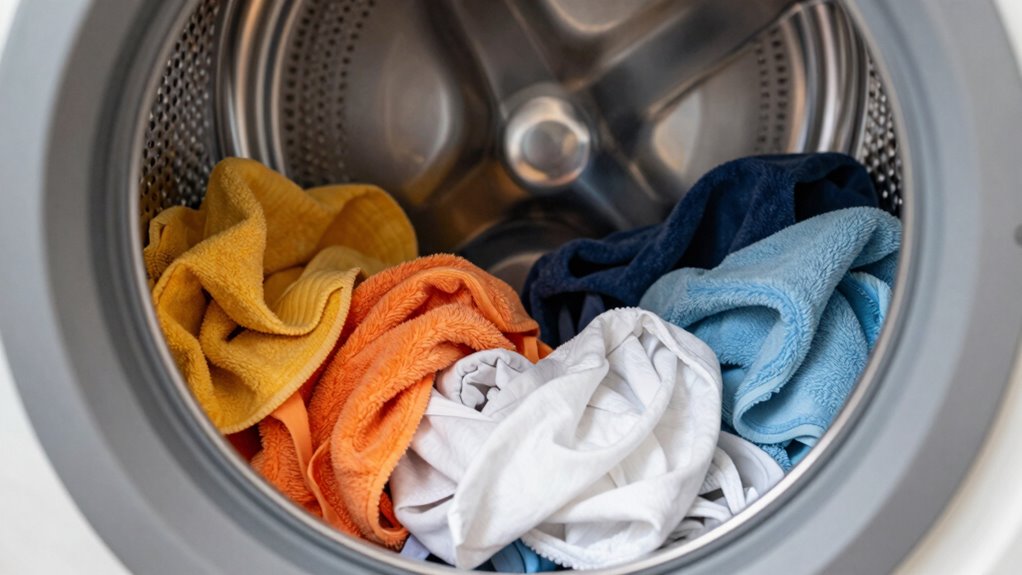
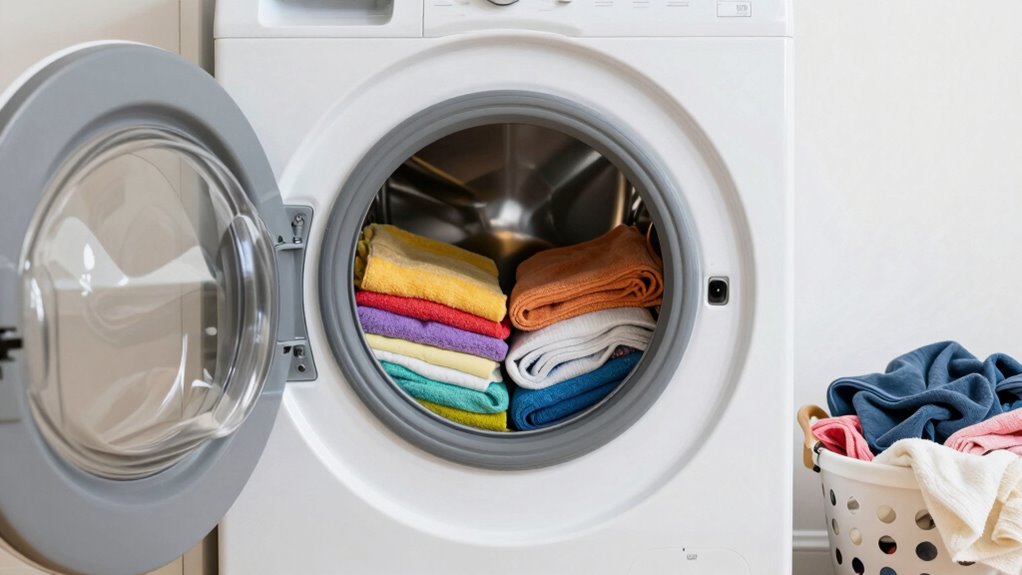
Understanding washer capacity numbers is essential when choosing a machine that fits your laundry needs. These numbers typically indicate the maximum load weight a washer can handle, but they don’t tell you the whole story. While a higher capacity might seem like the best choice, it’s important to contemplate how load size and energy efficiency influence performance. A washer with a large capacity can handle bulky items like comforters or multiple towels, but if you frequently wash small loads, you might not be utilizing that capacity efficiently. In fact, overloading your machine can reduce cleaning effectiveness and strain the motor, leading to higher energy consumption and potential wear and tear.
On the flip side, a washer with a smaller capacity might seem limiting, but it can be more energy efficient for smaller loads. Smaller machines often use less water and electricity, helping you save on utility bills. If you tend to wash fewer items at a time, choosing a machine that matches your typical load size can boost energy efficiency and prolong the lifespan of your appliance. The key is to select a washer that aligns with your regular laundry habits, rather than simply chasing the highest capacity number. Additionally, load size and energy efficiency are critical factors to consider alongside capacity because they directly impact the overall performance and operating costs of your washer. Being aware of energy-efficient ratings can help you choose a model that balances capacity with sustainability.
It’s also worth noting that the capacity number doesn’t account for how well a washer performs with various types of fabrics or how it handles different load types. Some machines are optimized for delicate fabrics, while others excel at heavy-duty cleaning. The capacity figure alone doesn’t reveal these nuances, so it’s helpful to research the specific features of each model. Moreover, washer performance with different fabrics can significantly influence your satisfaction with a particular machine. Additionally, some high-capacity washers require more energy to operate, especially if they are not designed with energy efficiency in mind. It’s important to consider energy-efficient features to ensure you’re not sacrificing sustainability for larger load sizes.
Ultimately, understanding the full story behind washer capacity involves balancing your laundry needs with considerations of load size and energy efficiency. Don’t be swayed solely by the capacity number; instead, evaluate how the machine handles typical loads and how much energy it consumes during operation. This approach ensures you pick an appliance that not only meets your capacity requirements but also operates efficiently, saving you money and reducing your environmental impact over time.
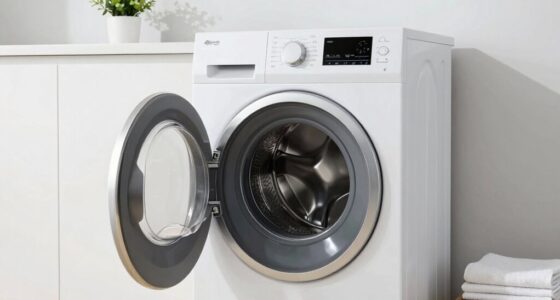
energy-efficient front load washer
As an affiliate, we earn on qualifying purchases.
As an affiliate, we earn on qualifying purchases.
Frequently Asked Questions
How Is Washer Capacity Measured Across Different Brands?
You’ll find washer capacity measured differently across brands, often in cubic feet or kilograms, but these numbers don’t fully reveal detergent efficiency or noise levels. Some brands optimize drum size without considering how loud or efficient the machine is during operation. So, when comparing washers, look beyond capacity figures. Pay attention to reviews on noise levels and detergent efficiency, ensuring you choose a model that suits your laundry needs.
Do Larger Capacity Washers Use More Water or Energy?
Larger capacity washers often gulp more water and energy, like a hungry beast devouring resources. However, modern designs prioritize water consumption and energy efficiency, so bigger doesn’t always mean wasteful. You might find energy-efficient models that handle hefty loads without draining your resources. Still, keep an eye on water consumption and energy ratings, ensuring your laundry day remains powerful yet eco-friendly, fitting your needs without tipping the planet’s balance.
Can a Smaller Washer Be More Efficient Than a Larger One?
Yes, a smaller washer can be more efficient than a larger one. Efficiency comparisons often reveal that capacity misconceptions lead people to assume bigger is always better, but smaller washers use less water and energy per load. If you typically wash smaller loads, choosing a compact model can save you money and resources while still meeting your needs. Always consider how you use your washer before assuming size equals efficiency.
How Does Load Type Affect Actual Washing Capacity?
Load type considerably affects your washer’s actual capacity. Heavy items like towels or bedding take up more space and require more detergent, reducing the effective load size. Delicate fabrics need gentle cycles, which might limit how much you can wash at once, and can impact spin cycle efficiency. To get the best results, adjust your load according to fabric type, ensuring proper detergent use and ideal spin cycle performance.
Are There Specific Laundry Types Better Suited for Certain Capacities?
You’ll find that larger capacity washers excel with bulky items like comforters, boosting energy efficiency by reducing loads needed. Small to medium capacities suit everyday laundry, offering load versatility for delicates and smaller loads. If you wash frequently, choosing a capacity aligned with your laundry types improves efficiency and saves energy. So, select a washer that matches your laundry habits to maximize both energy savings and load versatility.
washer with delicate fabric cycle
As an affiliate, we earn on qualifying purchases.
As an affiliate, we earn on qualifying purchases.
Conclusion
Remember, washer capacity numbers are just the opening chapter in your laundry story. They tell you the size of the load but not the full tale of efficiency, cycle options, or fabric care. Think of capacity as the frame of a painting—beautiful, but what truly brings it to life is how you use it. So, don’t just look at the numbers; dive deeper and choose a washer that fits your entire laundry narrative.
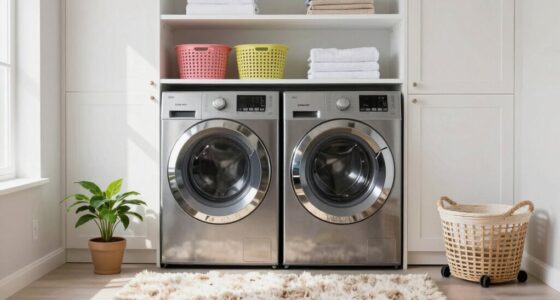
compact high capacity washing machine
As an affiliate, we earn on qualifying purchases.
As an affiliate, we earn on qualifying purchases.
As an affiliate, we earn on qualifying purchases.