TL;DR
A homeowner shares how they successfully added smart controls to their traditional AC unit without damaging it or risking their security deposit. The process involves using external smart plugs and sensors, avoiding modifications to the unit itself.
A homeowner has demonstrated how to convert a traditional, non-smart air conditioning unit into a smart device without risking their security deposit or damaging the appliance. This approach involves using external smart plugs and sensors, allowing remote control and monitoring without modifying the AC itself. The method is relevant for renters and homeowners seeking smart home upgrades while maintaining lease compliance.
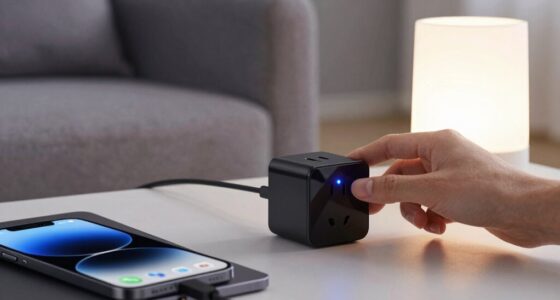
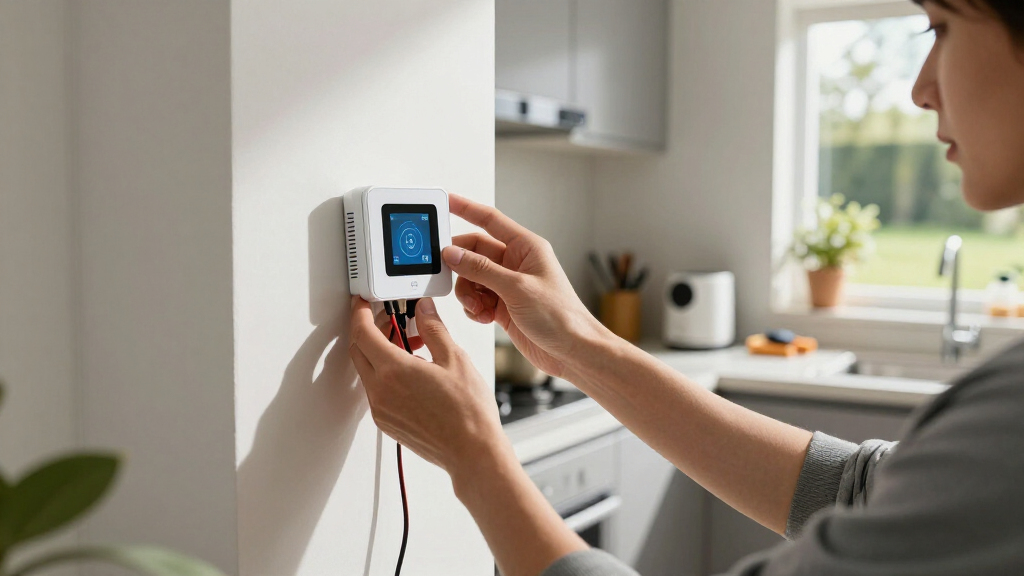
The individual used a high-quality, Wi-Fi-enabled smart plug compatible with their AC unit’s power requirements. This allows remote on/off control via a smartphone app. Additionally, they employed external temperature sensors placed near the vent to monitor cooling performance, avoiding any internal modifications or tampering with the unit’s hardware.
They emphasized that no electrical or mechanical changes were made to the AC, ensuring they do not violate lease terms or risk damage that could lead to losing their security deposit. The setup is simple, affordable, and reversible, making it accessible for most renters.
Experts confirm that such external solutions are effective for basic control and monitoring, but caution that they do not provide advanced features like scheduling or energy management that built-in smart units offer.
Practical Tips for Renters Upgrading Non-Smart ACs
This method provides renters and homeowners with an affordable, non-invasive way to add smart features to existing appliances. It helps improve energy efficiency, convenience, and remote control without risking lease violations or damage to the unit. As smart home adoption grows, such solutions offer accessible options for those unable or unwilling to replace appliances entirely, making smart technology more inclusive and flexible.Wi-Fi smart plug for air conditioner
As an affiliate, we earn on qualifying purchases.
As an affiliate, we earn on qualifying purchases.
Limited Options for Renters and Non-Tech-Savvy Users
Many renters face restrictions on modifying appliances, which prevents them from installing built-in smart systems. Upgrading older or non-smart units often involves costly replacements or complex wiring, which can risk damage or lease violations. The recent trend toward external smart accessories offers a practical workaround, enabling control and monitoring without permanent changes.
While some products claim to retrofit existing units, many require invasive installation or void warranties. The approach shared by the homeowner relies solely on external devices, making it a safe and reversible option.
“Using a smart plug and external sensors, I can control and monitor my AC remotely without making any modifications to the unit itself. It’s simple, affordable, and completely reversible.”
— Homeowner
external temperature sensors for AC
As an affiliate, we earn on qualifying purchases.
As an affiliate, we earn on qualifying purchases.
Limitations and Potential Risks of External Smart Solutions
While effective for basic control, external smart plugs do not provide features like scheduling, energy tracking, or integration with other smart home systems. Additionally, some smart plugs may not be compatible with all AC units or may not handle high power loads safely. There is also a small risk that an external device could be disconnected or malfunction, reducing control or monitoring capabilities.
It is not yet clear how well these solutions perform over long periods or in extreme weather conditions, and whether they might void warranties if improperly used.
As an affiliate, we earn on qualifying purchases.
Future Developments in DIY Smart Home Upgrades for Renters
Expect more affordable, easy-to-install external smart accessories tailored for appliances like AC units. Manufacturers may develop more specialized, renter-friendly products that integrate seamlessly without modifications. Additionally, increased awareness among renters and landlords could lead to broader acceptance of non-invasive smart upgrades.
Research and consumer feedback will likely shape the development of safer, more reliable external smart solutions, making smart home technology more accessible for all.
As an affiliate, we earn on qualifying purchases.
Key Questions
Can I control my AC remotely using this method?
Yes, using a compatible smart plug, you can turn your AC on or off remotely via a smartphone app.
Will using a smart plug damage my AC unit?
No, as long as you choose a smart plug rated for your AC’s power requirements and do not modify the unit itself, there is minimal risk of damage.
Does this method provide energy savings or scheduling features?
External smart plugs can offer scheduling and energy monitoring if they have those features, but basic models primarily provide remote control. For advanced features, built-in smart systems are recommended.
Will this approach void my lease or warranty?
Since it involves no modifications to the AC unit, it generally does not violate lease agreements or void warranties. However, always check your lease terms and manufacturer guidelines.
Is this a permanent solution?
No, external smart plug setups are reversible. You can remove them easily if needed or if you move.
Source: hn