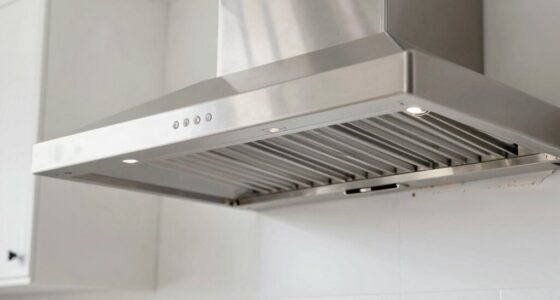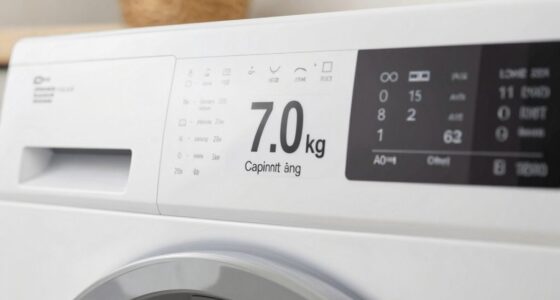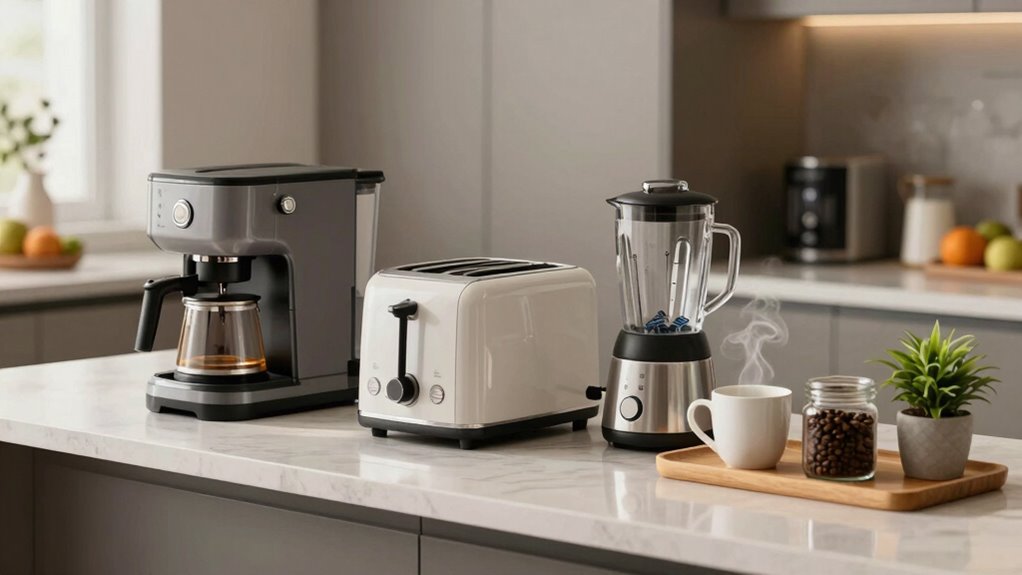

To build better routines around high-use appliances, develop consistent schedules that maximize efficiency and lifespan. Focus on using eco-friendly settings, running appliances when they’re full, and during off-peak hours to save energy and money. Regular maintenance, like cleaning filters and inspecting hoses, helps prevent breakdowns. Keep track of usage patterns to identify improvements. Continuing to explore these practices will help you optimize your routines and get the most from your appliances.
Open a free Amazon Business account
Business pricing, bulk buying and tax-exempt orders.
As an affiliate, we earn on qualifying purchases.
Key Takeaways
- Establish regular schedules for high-use appliances to ensure consistent and efficient operation.
- Incorporate eco-friendly settings and run appliances only when full to maximize energy savings.
- Schedule usage during off-peak hours to reduce costs and lessen grid strain.
- Perform routine maintenance, like cleaning filters and inspecting hoses, to prevent breakdowns.
- Track energy consumption and routine patterns to identify improvements and optimize appliance use.
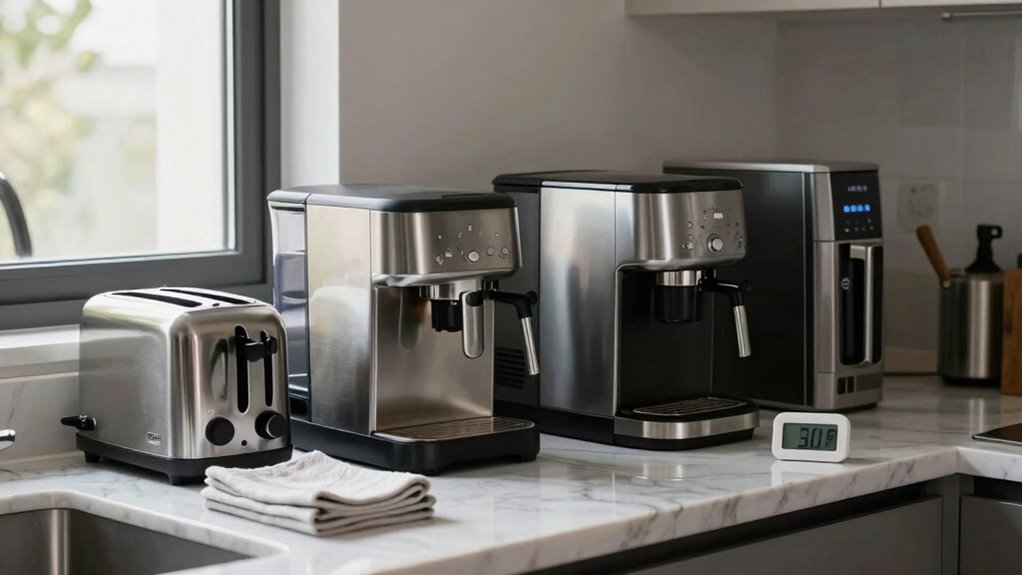
Establishing efficient routines around high-use appliances can substantially streamline your daily life. When you develop a consistent approach to using these devices, you not only save time but also maximize their performance and longevity. A key aspect of this is focusing on energy efficiency. By understanding how to operate appliances in ways that minimize energy consumption, you can lower your utility bills and reduce your environmental footprint. For example, running your dishwasher only when it’s full, using eco-friendly settings, and avoiding overuse of the dryer during peak hours all contribute to better energy management. For instance, utilizing energy-efficient settings can significantly reduce electricity use without sacrificing performance. Incorporating these habits into your routine ensures that your appliances work smarter, not harder, which benefits both your wallet and the planet. Additionally, smart technology can help you monitor and optimize appliance use more effectively.
Developing routines for high-use appliances boosts efficiency, saves money, and benefits the environment through mindful energy use.
Another important component is adhering to proper maintenance schedules. Regular upkeep prevents unnecessary breakdowns and keeps appliances running at peak efficiency. You should establish set times for tasks like cleaning filters, inspecting hoses, or descaling appliances such as your kettle or coffee maker. This proactive approach helps identify potential issues early, saving you from costly repairs or replacements down the line. When you stick to maintenance schedules, you also reduce the likelihood of energy wastage caused by malfunctioning parts or accumulated dirt and debris. For instance, a clean refrigerator coil consumes less energy, ensuring your appliance operates more efficiently. Proper preventive maintenance is essential for maintaining optimal appliance performance and avoiding unexpected failures. Developing a routine maintenance schedule further enhances your ability to keep appliances running smoothly and efficiently. By making maintenance a routine part of your schedule, you keep your appliances performing at their best and extend their lifespan. Additionally, tracking your energy consumption can help you identify which appliances use the most power and adjust your routines accordingly.
Building routines around high-use appliances also involves planning their use during off-peak hours when energy demand is lower. Many utility companies offer reduced rates during these times, so you might run your laundry or dishwashing cycles late at night or early in the morning. This not only saves you money but also eases the load on the power grid, making your routines more sustainable. Additionally, organizing your schedule so you’re not overloading appliances or running multiple devices simultaneously can prevent strain and prolong their life.
Finally, keeping a simple log of maintenance activities and energy consumption can help you identify patterns and areas for improvement. Over time, this habit encourages more mindful use, allowing you to refine your routines further. By combining attentiveness to energy efficiency with disciplined maintenance schedules, you create a smart, sustainable approach to managing your high-use appliances. This strategic routine not only enhances appliance performance but also makes your daily life more efficient and less stressful.
As an affiliate, we earn on qualifying purchases.
Frequently Asked Questions
How Do I Prioritize Which Appliances to Use First?
Start by evaluating each appliance’s energy consumption and usage needs. Use appliance scheduling to determine the best times to run high-use devices, prioritizing those with flexible or off-peak hours. Focus on usage optimization by grouping similar tasks together and avoiding simultaneous operation. By planning ahead and leveraging scheduling tools, you guarantee efficient appliance use, reduce energy costs, and prevent overloads, making your routines smoother and more cost-effective.
What Maintenance Tips Extend Appliance Lifespan?
Think of your appliances as delicate dancers that need gentle tuning. Perform preventive checks regularly to catch issues early, much like tuning instruments before a concert. Keep appliances properly stored when not in use and clean filters often, preventing dust and debris from clogging their rhythm. Proper storage and preventive checks extend their lifespan, ensuring they perform smoothly, avoiding sudden breakdowns, and preserving their harmony in your daily routine.
How Can I Reduce Energy Consumption?
To reduce energy consumption, consider energy-efficient upgrades like ENERGY STAR appliances, which use less power. Practice smart scheduling by running high-use appliances during off-peak hours to save energy and costs. Unplug devices when not in use, and keep appliances well-maintained to operate efficiently. These habits help cut your energy bills and minimize environmental impact, making your home more sustainable and cost-effective.
Are There Safety Precautions for Frequent Appliance Use?
Yes, there are safety precautions for frequent appliance use. You should follow safety guidelines like unplugging appliances when not in use, keeping vents clear, and inspecting cords regularly for damage. Be aware of appliance hazards such as overheating or electrical shorts, and never overload outlets. Always read the manufacturer’s instructions, and keep water or liquids away from electrical parts. These steps help prevent accidents and promote safe, efficient use of your appliances.
How Do I Troubleshoot Common Appliance Issues?
When troubleshooting common appliance issues, first check for loose connections or power supply problems. Consult your appliance warranty to see if repairs are covered, which can save you repair costs. If the appliance isn’t functioning properly, try cleaning or resetting it. For persistent issues, contact a professional technician. Doing this helps prevent further damage, reduces repair costs, and guarantees your appliance stays in good working order longer.
As an affiliate, we earn on qualifying purchases.
Conclusion
By building better routines around your high-use appliances, you’ll boost efficiency, eliminate exhaustion, and enjoy everyday ease. Consistent, conscious choices create comfort and clarity, transforming chores into simple, satisfying steps. Remember, small shifts in schedule and setup can considerably streamline your day. So, stay strategic, stay steady, and let smarter routines serve as your secret sauce for smoother, more successful living. Embrace these efforts, and watch your household happiness soar!
refrigerator filter cleaning kit
As an affiliate, we earn on qualifying purchases.
As an affiliate, we earn on qualifying purchases.
As an affiliate, we earn on qualifying purchases.
Fall yard work Picks
leaf blowers
As an affiliate, we earn on qualifying purchases.